
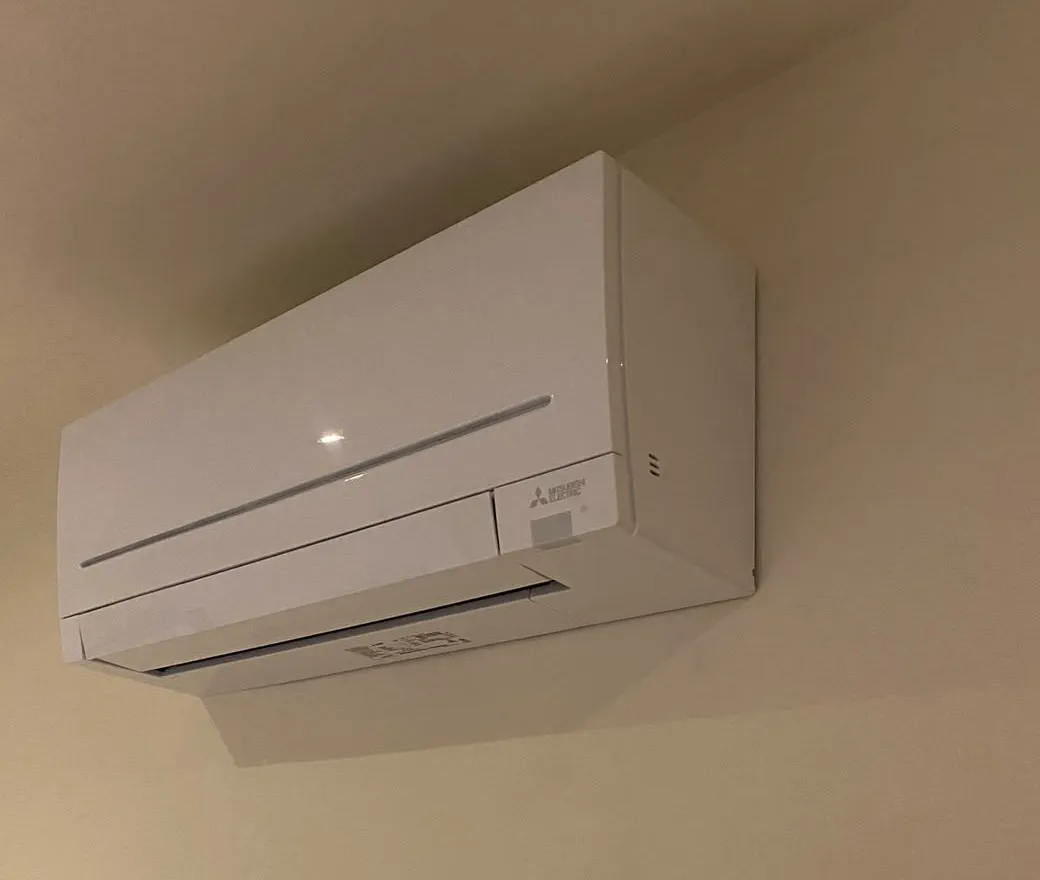
What should renters and rental providers do when supplied cooling stops working?
- A supplied cooling appliance or service that is not working is on Victoria's urgent-repairs list.
- Report the problem promptly through the rental's repair contacts and keep a written record.
- A maintenance booking does not replace the rental provider's legal responsibilities.
Check the official category before treating it as routine service
Consumer Affairs Victoria lists failure of a cooling appliance or service provided by the rental provider as an urgent repair. Its guidance says rental providers must arrange urgent repairs immediately. This concerns a breakdown of supplied cooling, rather than a general request to add a new air conditioner where none was provided.
A routine seasonal service and a reported breakdown should therefore be described accurately when contacting the property manager. The contractor can investigate and quote the work, but does not decide the parties' legal obligations or promise when another party will approve it.
Send a concise, usable fault report
Use the rental's nominated repair contact promptly and keep a written record of the report. Include the address, affected unit, when the fault began, what the controller shows and whether the equipment heats, cools or does neither. State any water leakage, burning smell or other safety concern clearly.
Accessible photographs and model details can help, but do not dismantle the appliance to obtain them. If you have already been given a contractor reference, include it in later correspondence so reports are not accidentally treated as unrelated jobs. Keep messages, photographs and any appointment details in one place.
- Rental address and reliable contact number
- Which supplied appliance has stopped working
- Observed symptoms and any immediate safety issue
- Time first reported, contact used and reference number
Separate access, diagnosis and spending approval
For a rental provider or property manager, give the contractor a clear authorisation: who can approve diagnosis, who can approve repairs and who must be contacted if replacement is recommended. The renter can help explain the symptoms, but should not be left to decide an unclear spending limit on the owner's behalf.
Agree lawful access arrangements through the appropriate rental process. Provide the contractor with the occupant's agreed contact details, access restrictions and any building-management requirements. If parts or another trade are needed after diagnosis, ask for a written update that explains the next decision and who is responsible for it.
Use the official process when the issue is unresolved
If the response is inadequate, consult the current Consumer Affairs Victoria urgent-repair guidance for the applicable steps, payment conditions and dispute options. Do not rely on a general article for a reimbursement limit or assume a private contractor can authorise reimbursement. CAV also advises renters to continue paying rent while repairs are outstanding.
After the work, keep the diagnosis, approval and completion details together. Ask what has been repaired, whether further work is required and who will communicate that to the renter. Clear records help distinguish a completed repair from a temporary assessment or a replacement proposal still awaiting approval.
Questions that come next
Official information
Rules and product guidance can change. These sources support the relevant safety, energy or property guidance above.