Planning an installation4 min
Adding ceiling fans to an older home: what's involved?
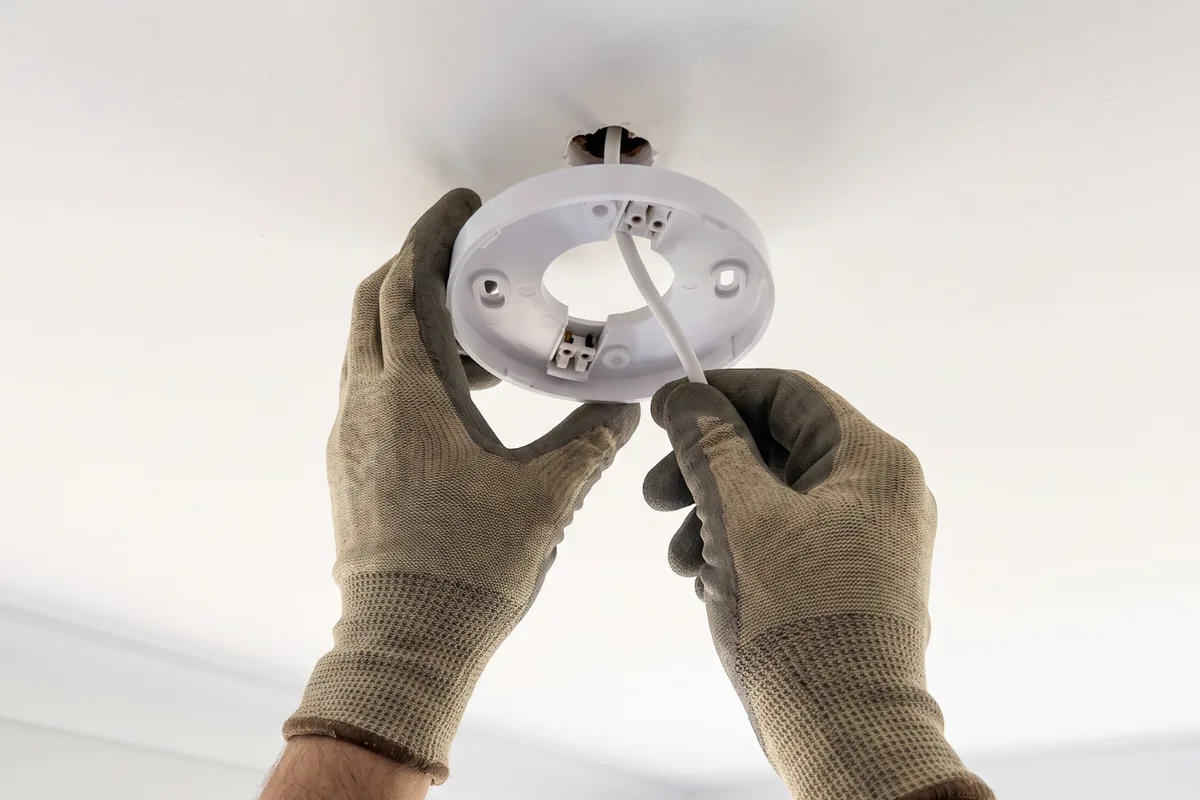
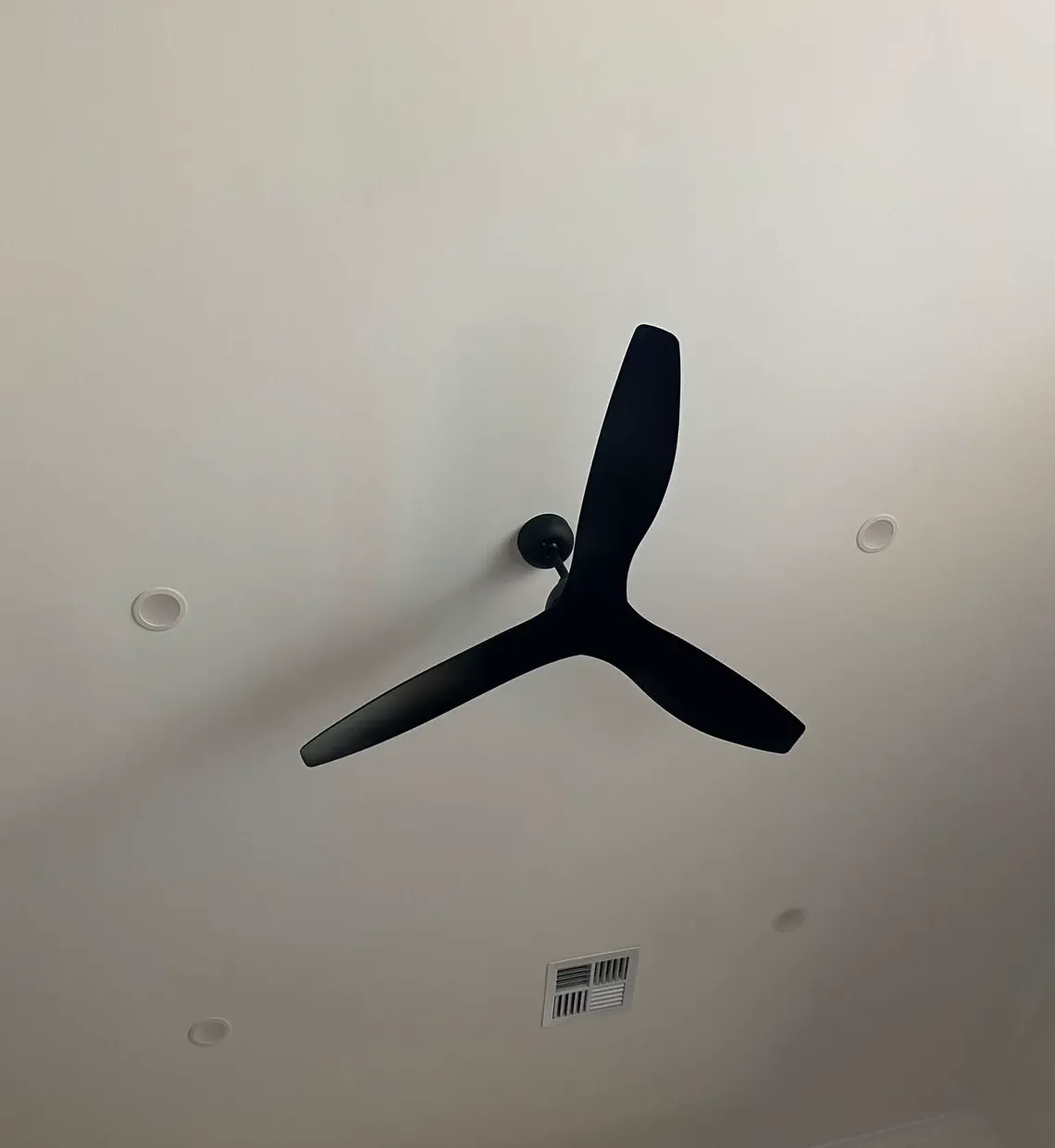
Yes, in most rooms. Roof access, a solid fixing to the joists, the switching you want and the cable route decide how simple it is in an older home.
Read the answerPractical reading for Melbourne homes. Understand the options, know what to ask and plan the work with a little more confidence.
Compare the diagnosed fault, the rest of the system and the complete replacement scope before deciding what to spend.
Read the advice86 articles
Yes, in most rooms. Roof access, a solid fixing to the joists, the switching you want and the cable route decide how simple it is in an older home.
Read the answerBenchtop appliances draw a lot of power. How kitchen circuits share the load, the difference between a breaker trip and a hot power point, and when to add circuits.
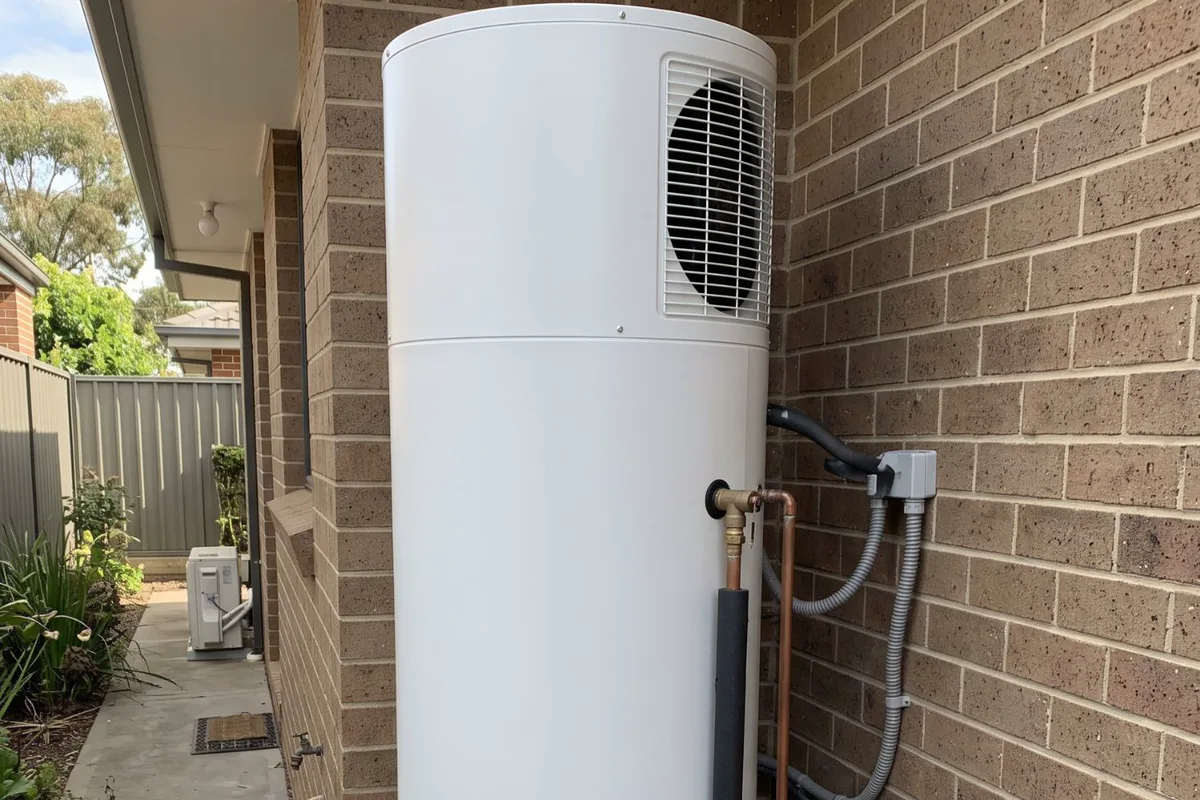
Read the answerAn all-in-one heat pump is simpler to install and service. A split moves the noisy part away from bedrooms and tight side paths. Placement usually decides it.
Read the answerOnline marketplaces sell chargers, power boards, smart plugs and lights that may not meet Australian standards. What to check before you buy, plug in or install.
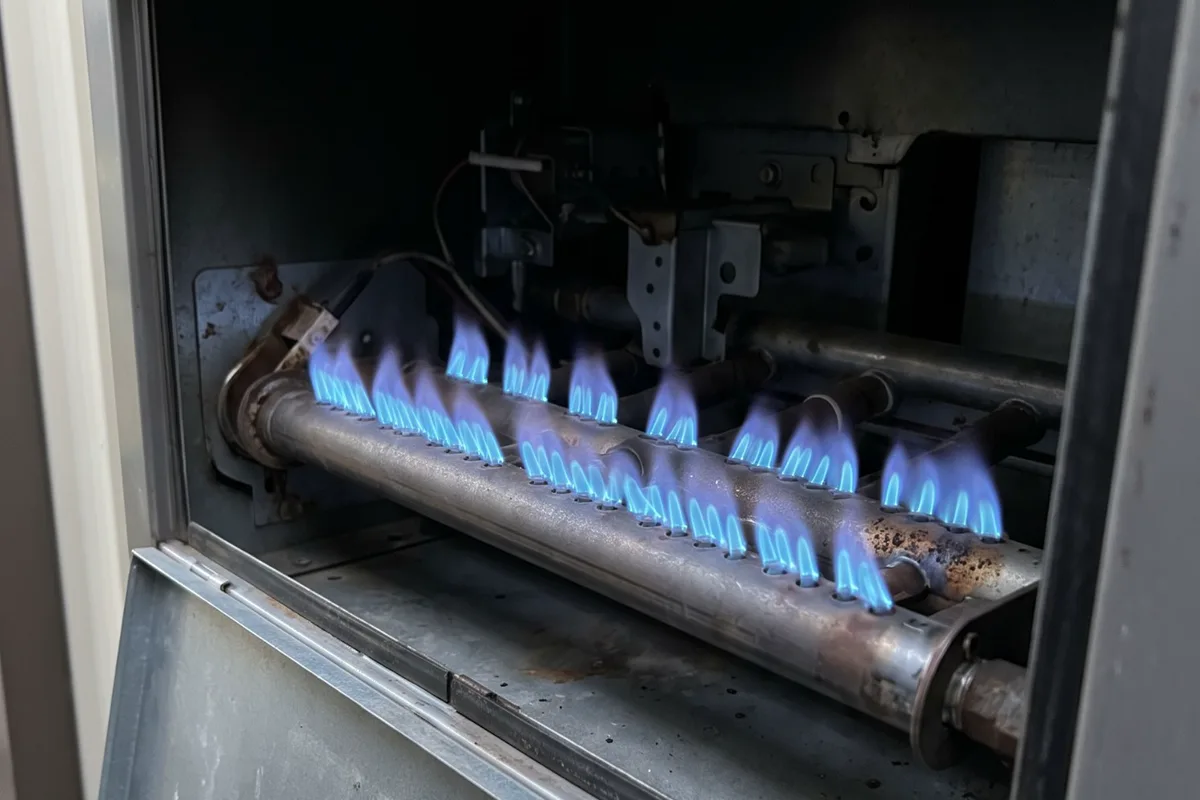
Read the answerOlder open-flued gas wall and space heaters can spill carbon monoxide. Why some can no longer be sold, what servicing should cover and when reverse-cycle makes sense.
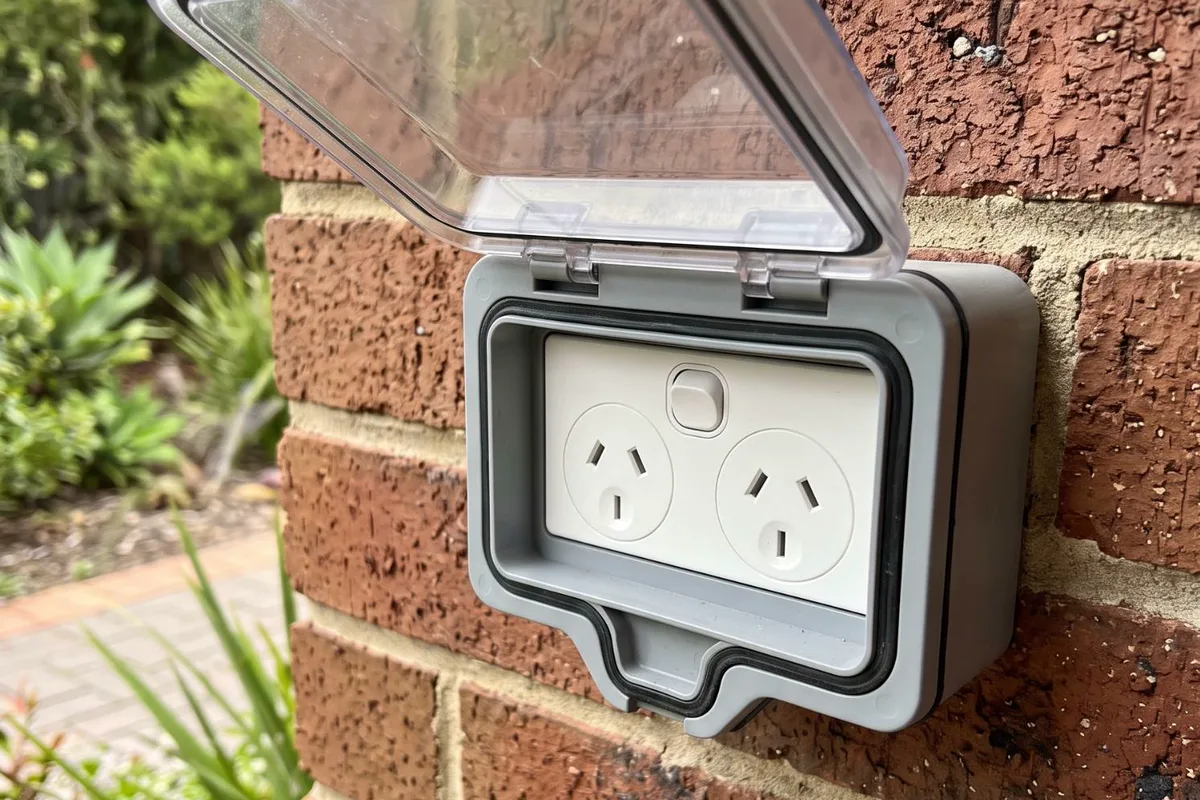
Read the answerOutdoor Christmas lights need outdoor-rated lights and leads, a safety switch and a dry spot for the plug. How to set them up, and why a trip means stop.
Read the answerExtra points, outdoor power, better lighting, data and a garage ready for an EV: the upgrades owners in Melbourne's western estates make after handover.
Read the answerMost homes can charge two EVs, because few cars need a full charge every night. Sharing, scheduling, load management and, for some homes, three-phase make it work.
Read the answerYes, with the rental provider's written consent and a licensed electrician. Here's how to ask, who might pay, and how to charge safely in the meantime.
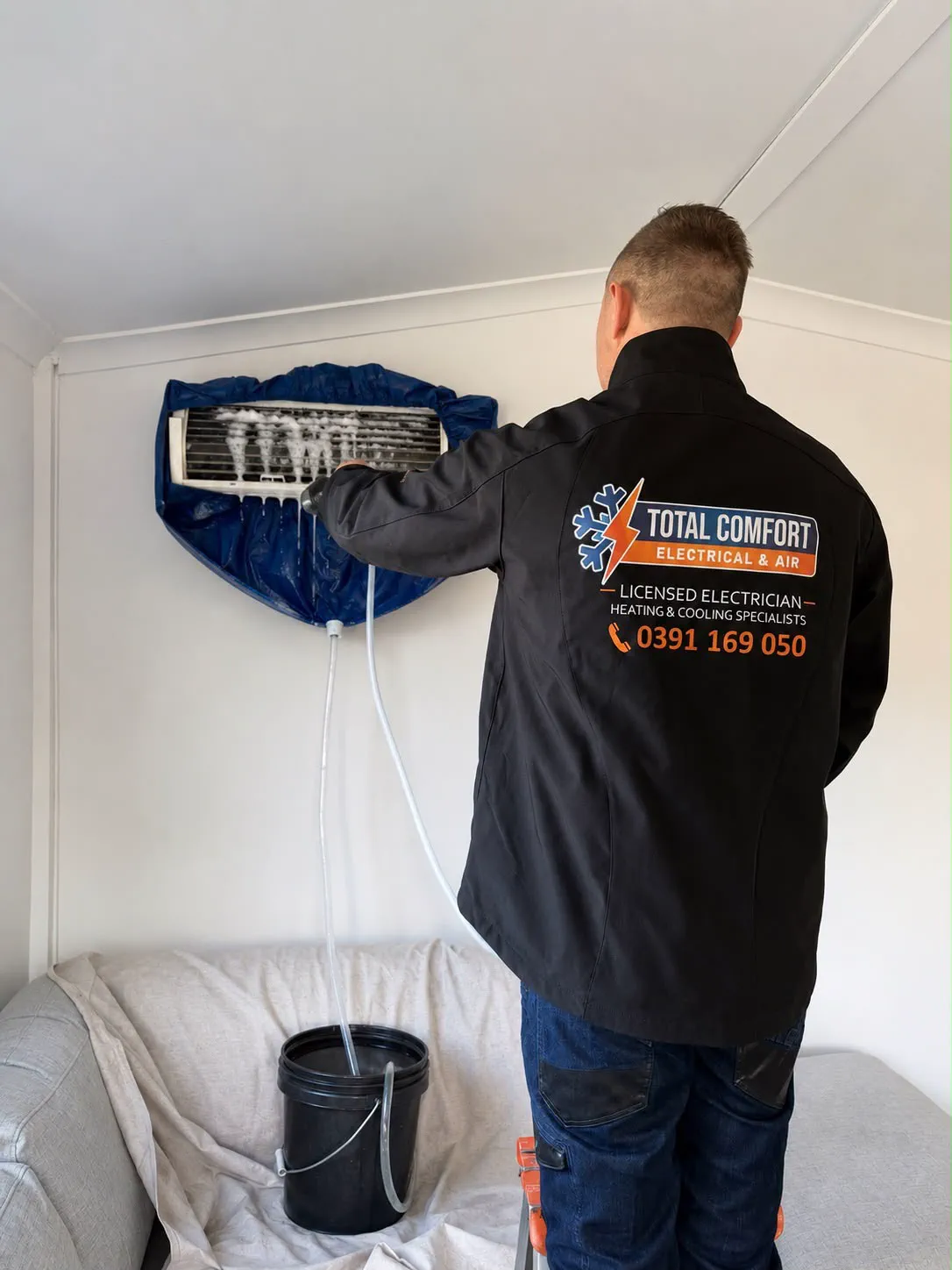
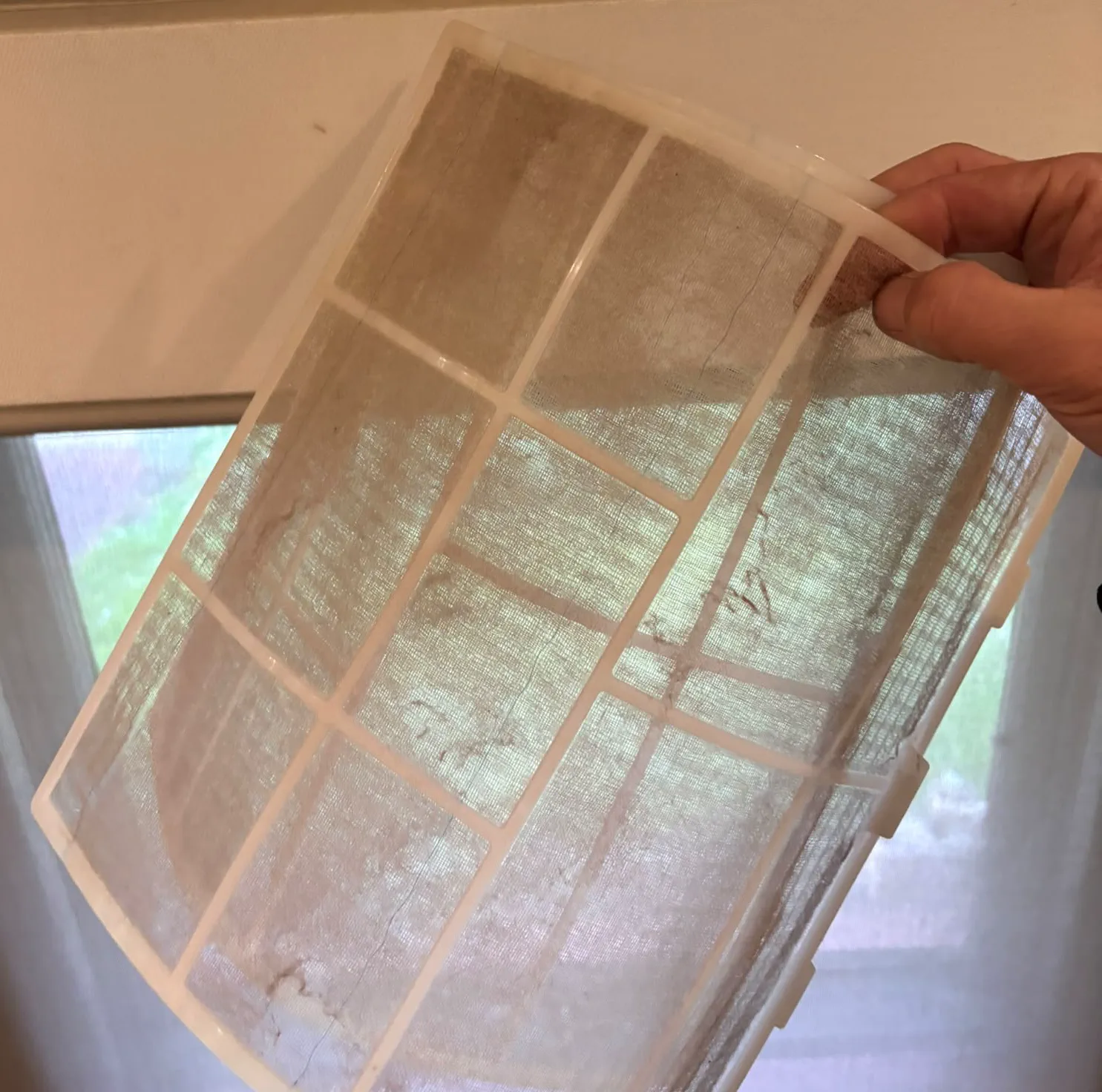
Read the answerSpray cans and bag kits promise a professional clean at home. Here's what they reach, what they can damage, and where filter cleaning ends and a service begins.
Read the answerMost home offices run fine on a few extra points. A dedicated circuit earns its place when a heater, printer or shared circuit keeps cutting out your workday.
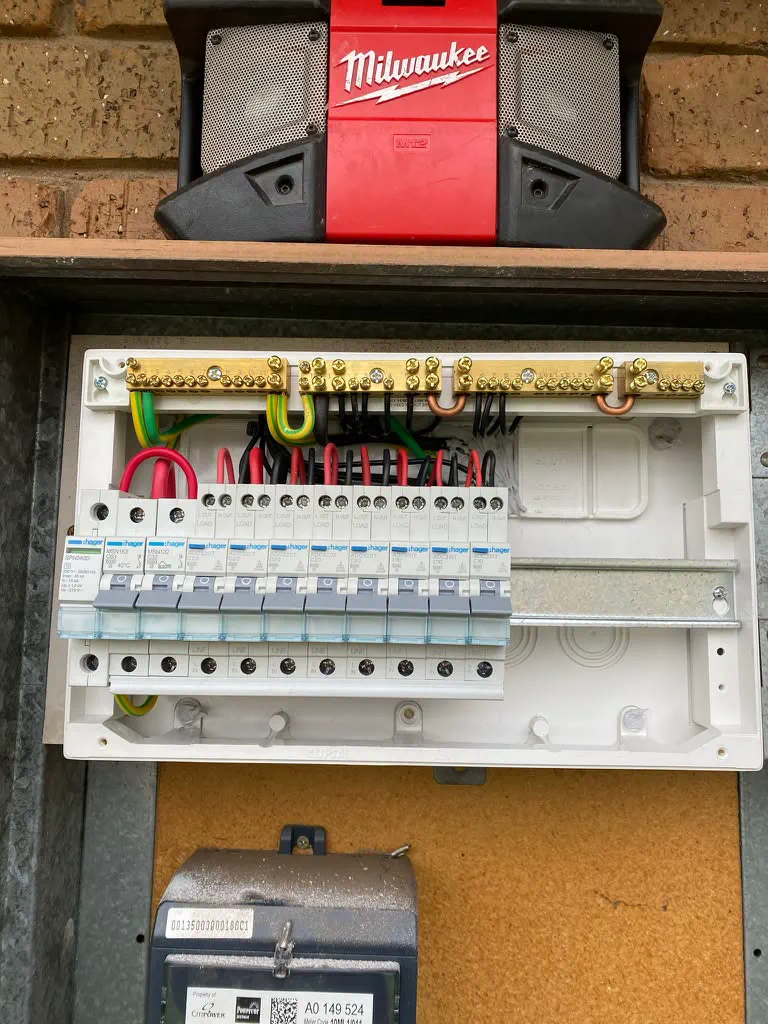
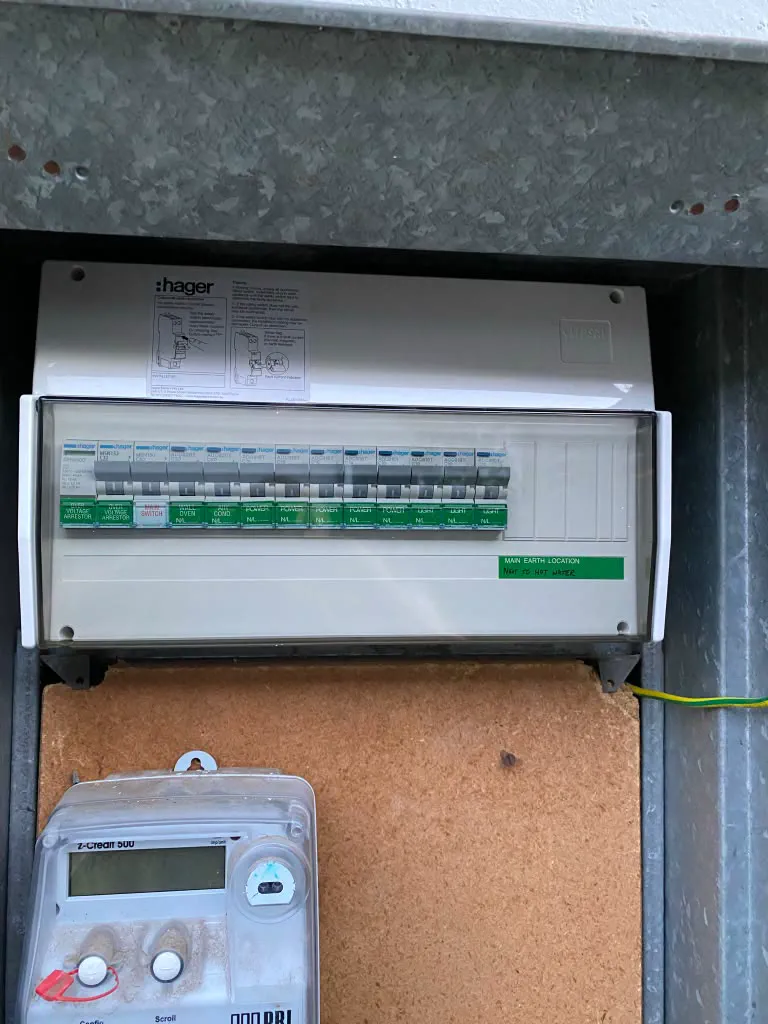
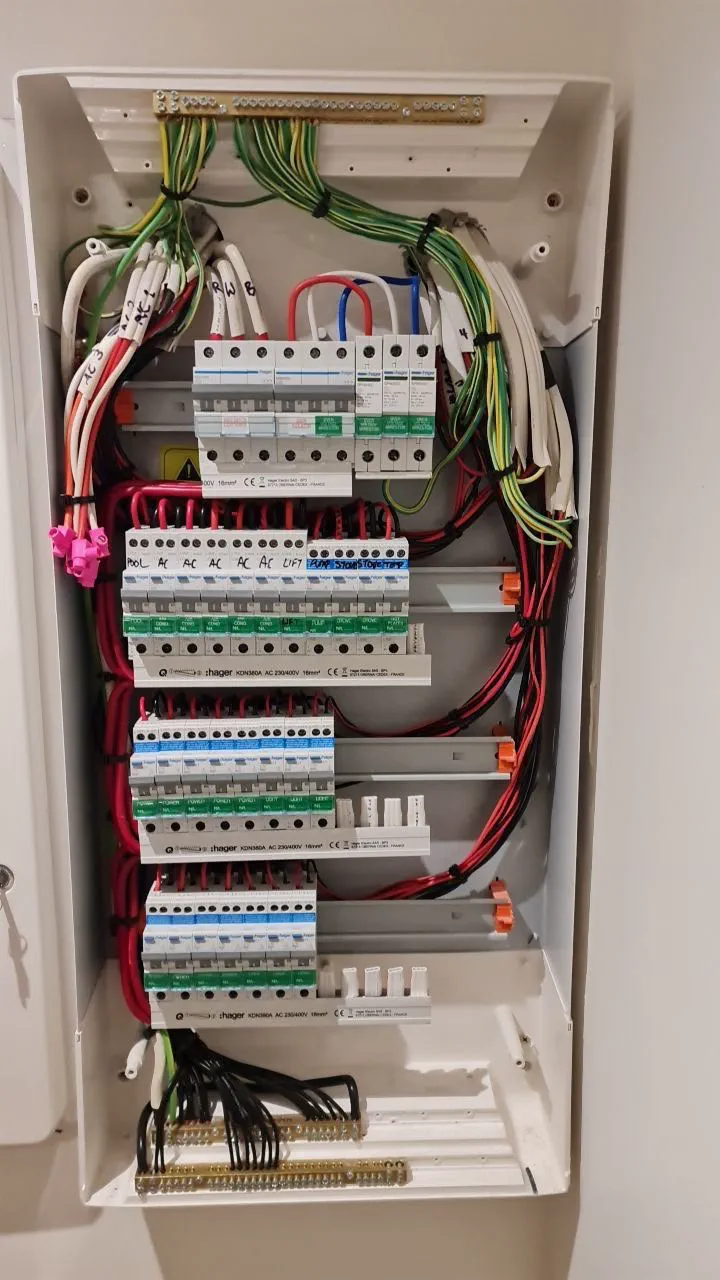
Read the answerA switchboard has nothing to oil, but connections loosen, safety switches age and meter boxes weather. Here's what maintenance involves and how often it's worth doing.
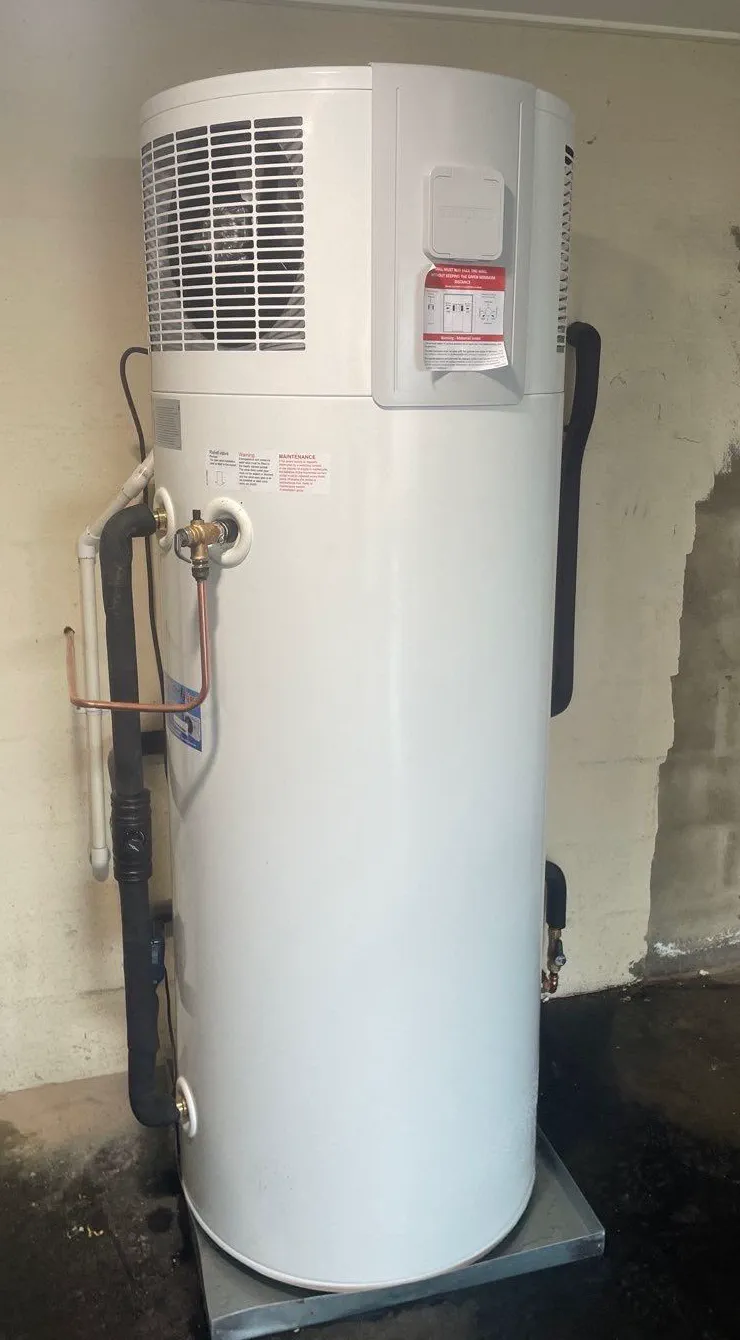
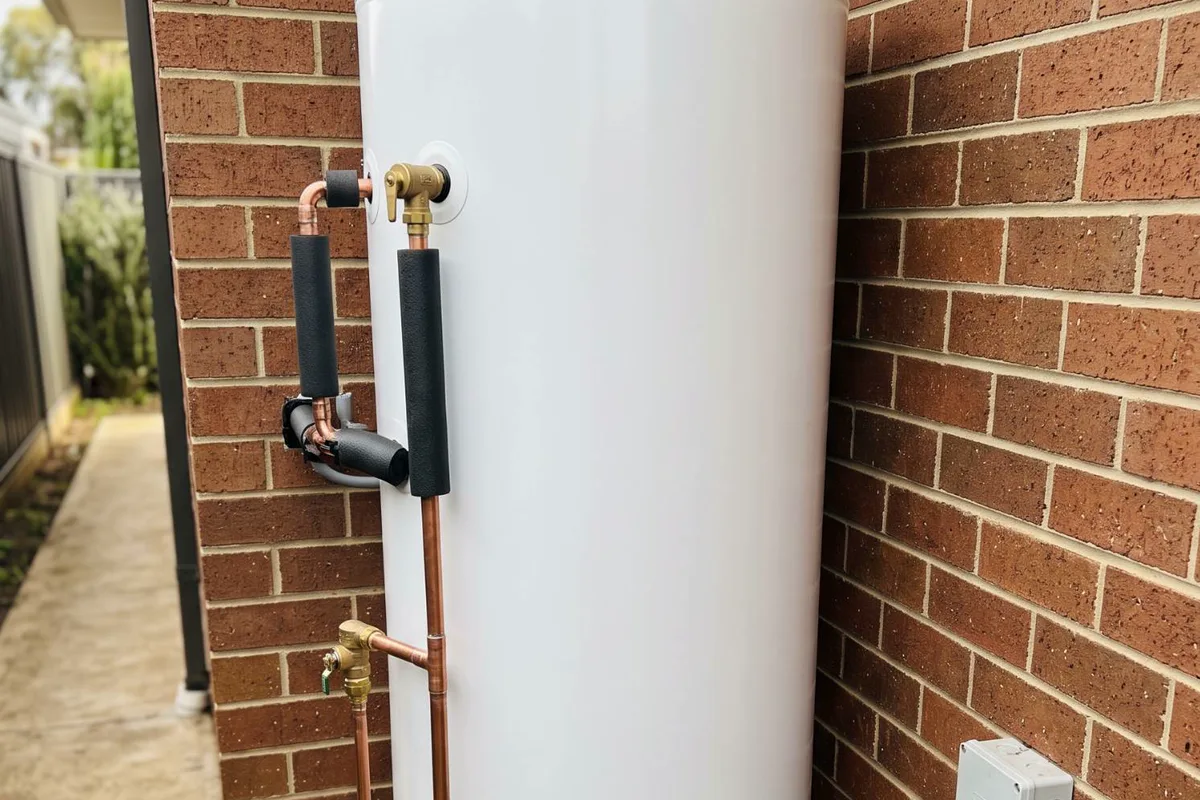
Read the answerA heat pump water heater needs little attention, but airflow, the condensate drain and new noises are worth watching. Here's what owners check and who does the rest.
Read the answerBetter lighting on paths and stairs, sensor lights, interconnected smoke alarms, easier switches and safer heating: practical upgrades that help with ageing in place.
Read the answerA pre-holiday checklist for fridges, hot water, heaters, chargers and security lighting, plus why testing your safety switches before you leave is worth five minutes.
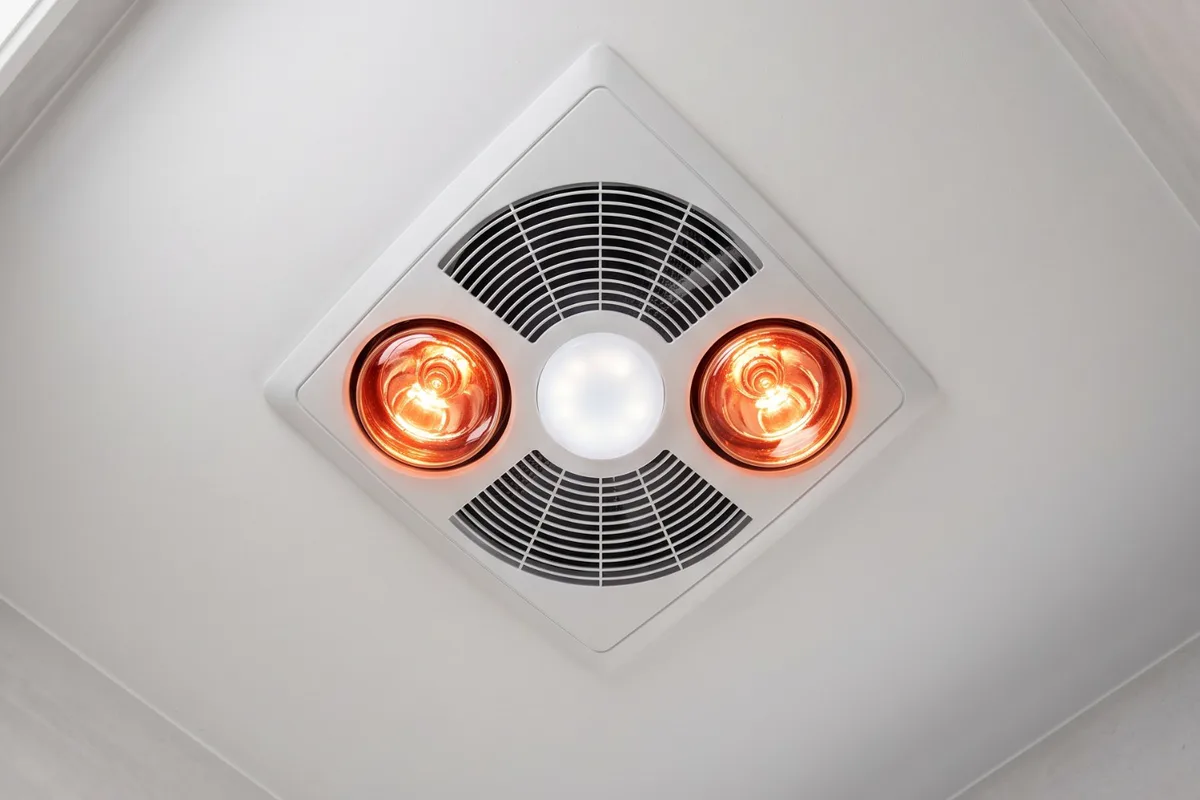
Read the answerHeat lamps warm you, fan heaters warm the room and towel rails warm the towels. Here's which one suits each bathroom on a cold July morning.
Read the answerA heat pump wins for most households with an outdoor spot where it can breathe. An electric tank still makes sense in a few situations. Here is how to tell.
Read the answerHeating only the rooms you use usually costs less, but taken too far it leaves cold, damp corners. How routine, layout and system type decide the balance.
Read the answerA few minutes of cleaning keeps exhaust and ceiling fans quiet and working. Here's what owners can do, the signs of wear, and when a fan needs repair or replacing.
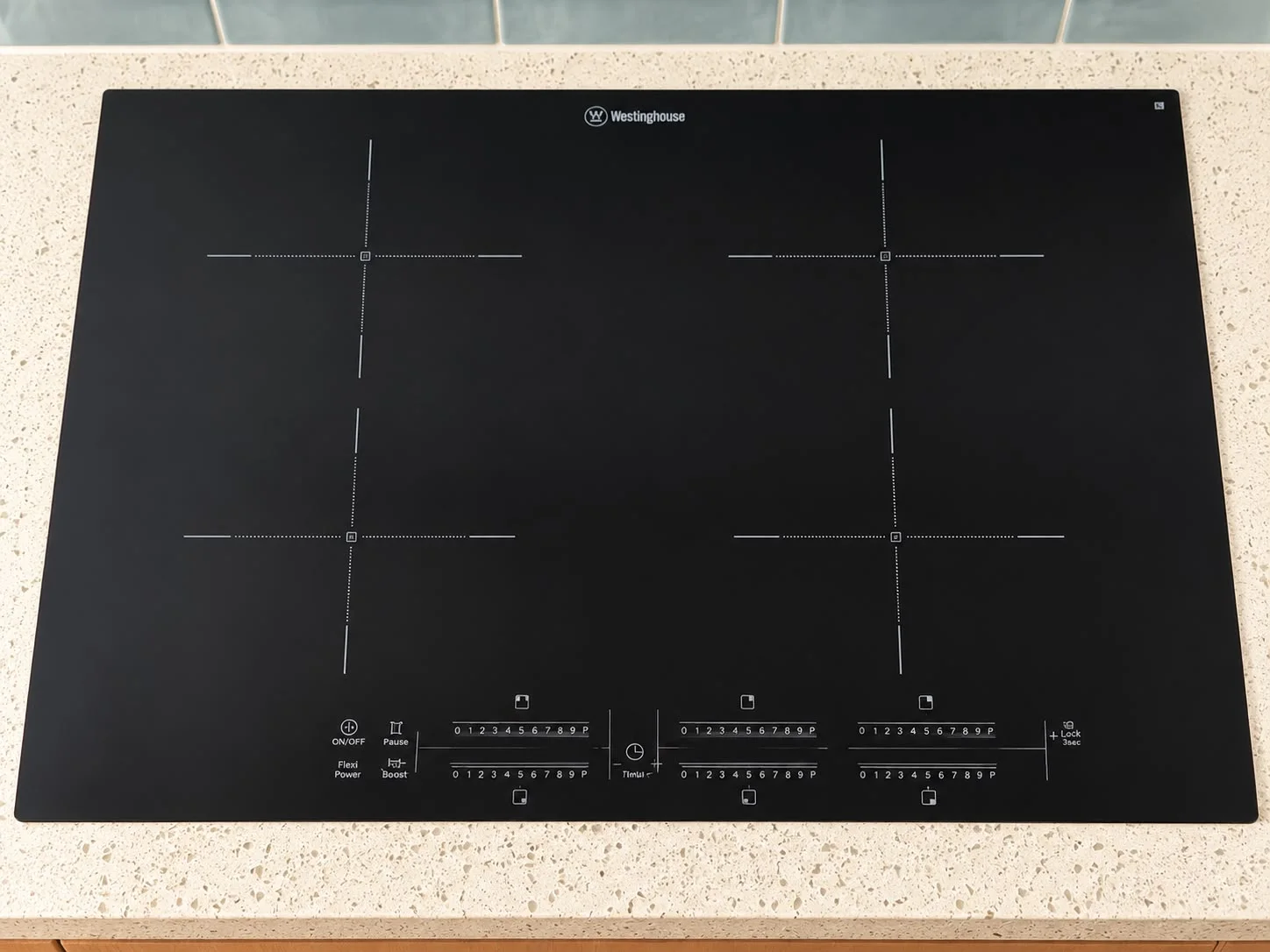
Read the answerInduction responds faster, cleans more easily and keeps the glass cooler. Ceramic still suits some cookware and kitchens. Here is how the two compare day to day.
Read the answerBack-to-back or a long pipe run, a drain that needs fall, an outdoor unit on the ground or a bracket, and safe access: what decides how an upstairs split goes in.
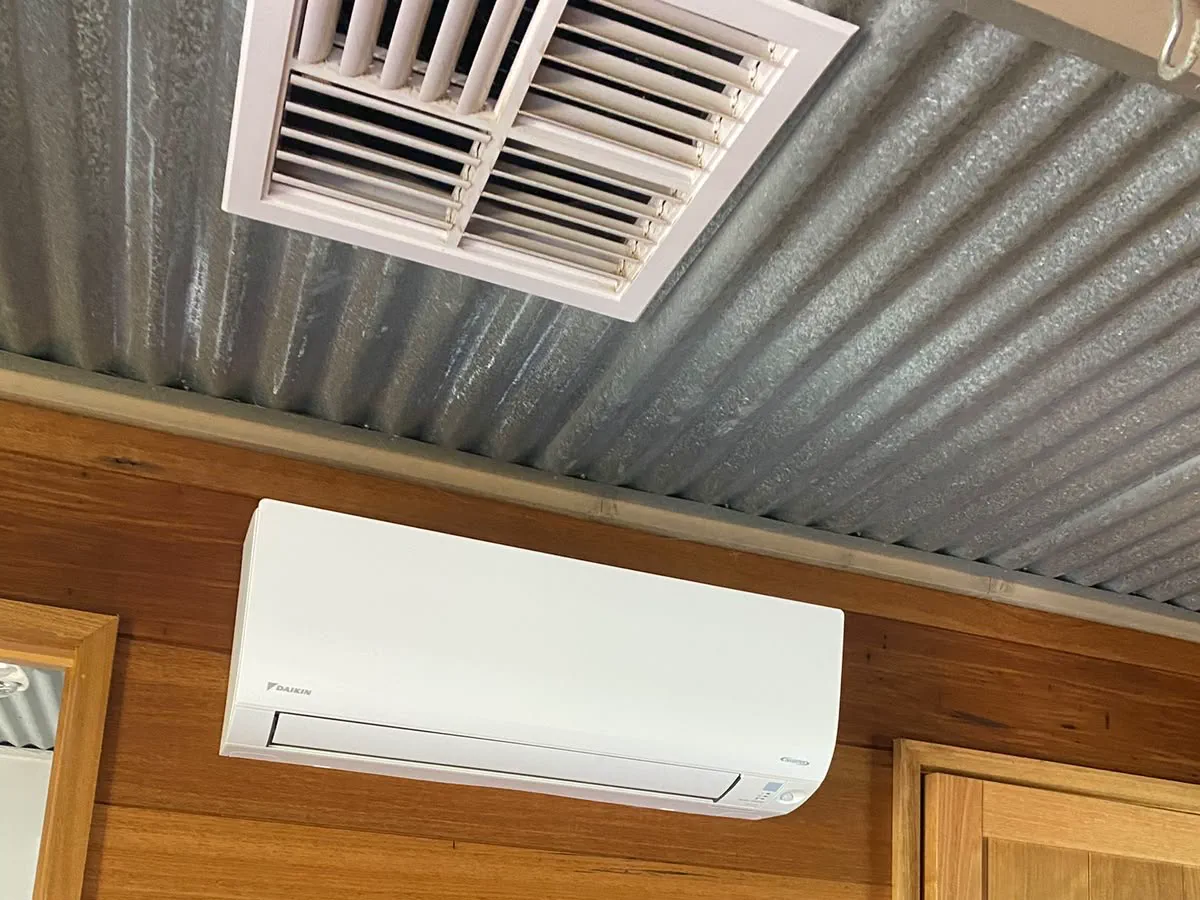
Read the answerOutdoor unit visibility, pipe routes through old walls, tight roof spaces and overlay checks: how to air condition a period home without spoiling it.
Read the answerOwners corporation approval, which meter the charger runs from, the cable route through common property and the building's supply all need settling first.
Read the answerThe lead that came with your car can be enough for short daily driving, if the power point is up to it. Longer drives, two drivers or short windows call for more.
Read the answerA newer home won't have crumbling cable, but uncertified additions, doubled-up circuits and expired smoke alarms are common finds. Here's when an inspection pays off.
Read the answerA well-sized, well-placed split is quiet enough for most bedrooms. Noise ratings, sizing, airflow direction and the outdoor unit decide whether light sleepers agree.
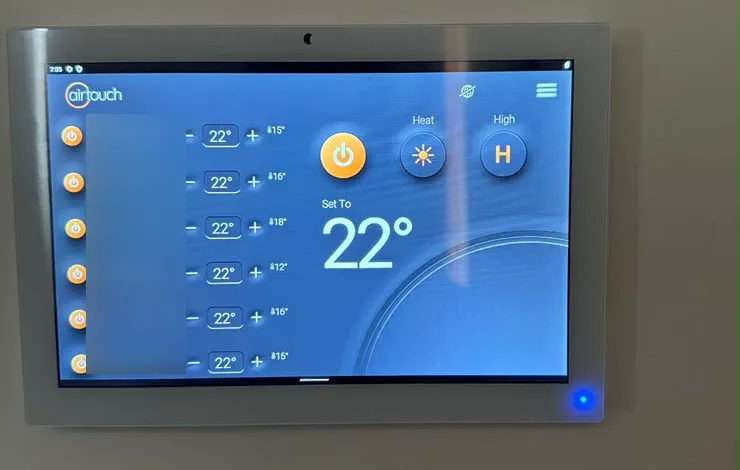
Read the answerAirTouch 5 adds room sensors, app control and finer zone balancing to ducted air. It is worth the most in homes where rooms heat and cool unevenly.
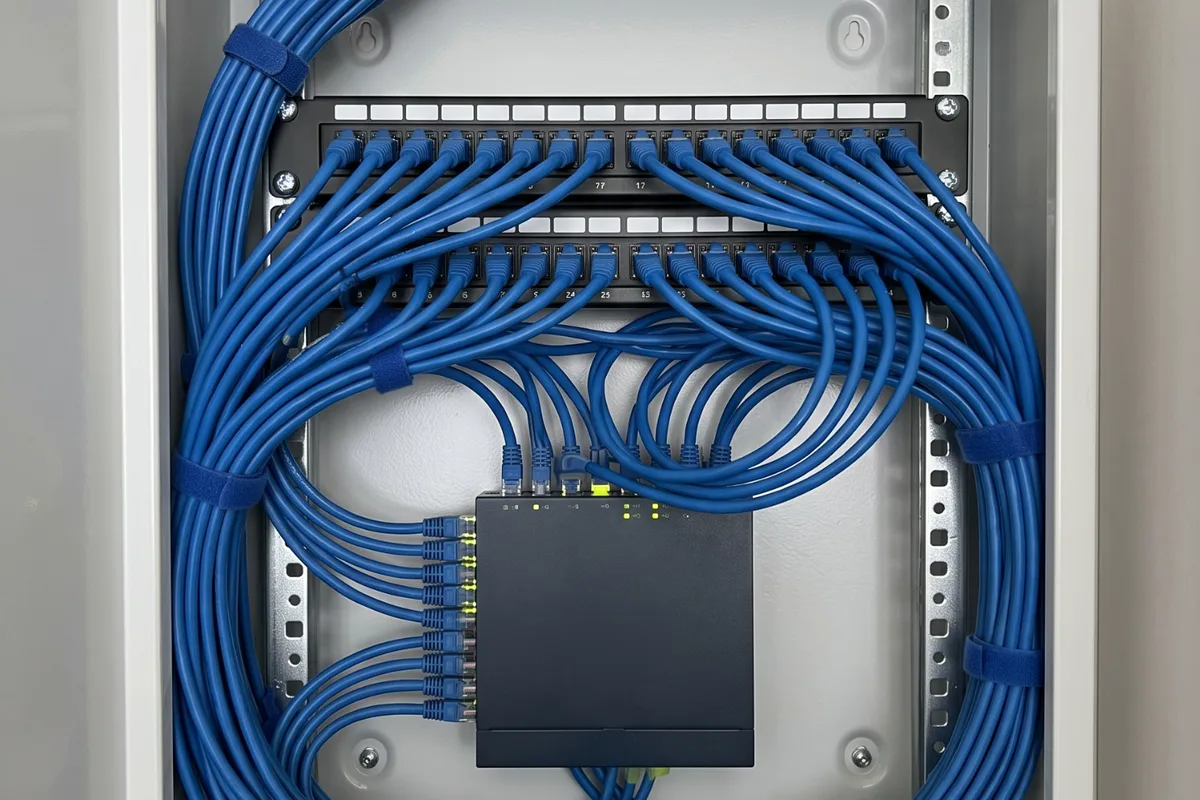
Read the answerGood mesh Wi-Fi is easy to buy, but a few data cables in a new build still pay off for TVs, the home office and ceiling access points. Cabling every room usually doesn't.
Read the answerIn a two- or three-bedroom home or unit, a couple of well-placed splits often beat ducted. Ducted still makes sense in some small homes. Here is where the line falls.
Read the answerFor most homes, a timer that starts the system before you get home beats running it all day, even with an inverter. Here's why, and the days that are the exception.
Read the answerA working board with breakers and safety switches rarely needs replacing to sell. An old fuse board with no safety switches is a different story, and timing matters.
Read the answerIf your agreement started on or after 29 March 2023, the fixed heater in the living area must be energy efficient. Here's how to check yours and ask in writing.
Read the answerSound gas heater and only two rooms to cool? Keep it and add splits. Ageing heater, or cooling wanted throughout? Ducted reverse-cycle is usually the better move.
Read the answerAn existing evaporative cooler meets the 2027 cooling standard. Whether to keep it comes down to the heater, renter comfort on muggy nights and upkeep.
Read the answerHow to keep pets cool while you're out on a hot western-suburbs day: sensible settings, timers and app control, a backup plan and where the pet should be.
Read the answerIn a single-storey home with workable roof space, zoned ducted usually wins for whole-house comfort. A multi-head wins when only a few rooms matter or the roof is tight.
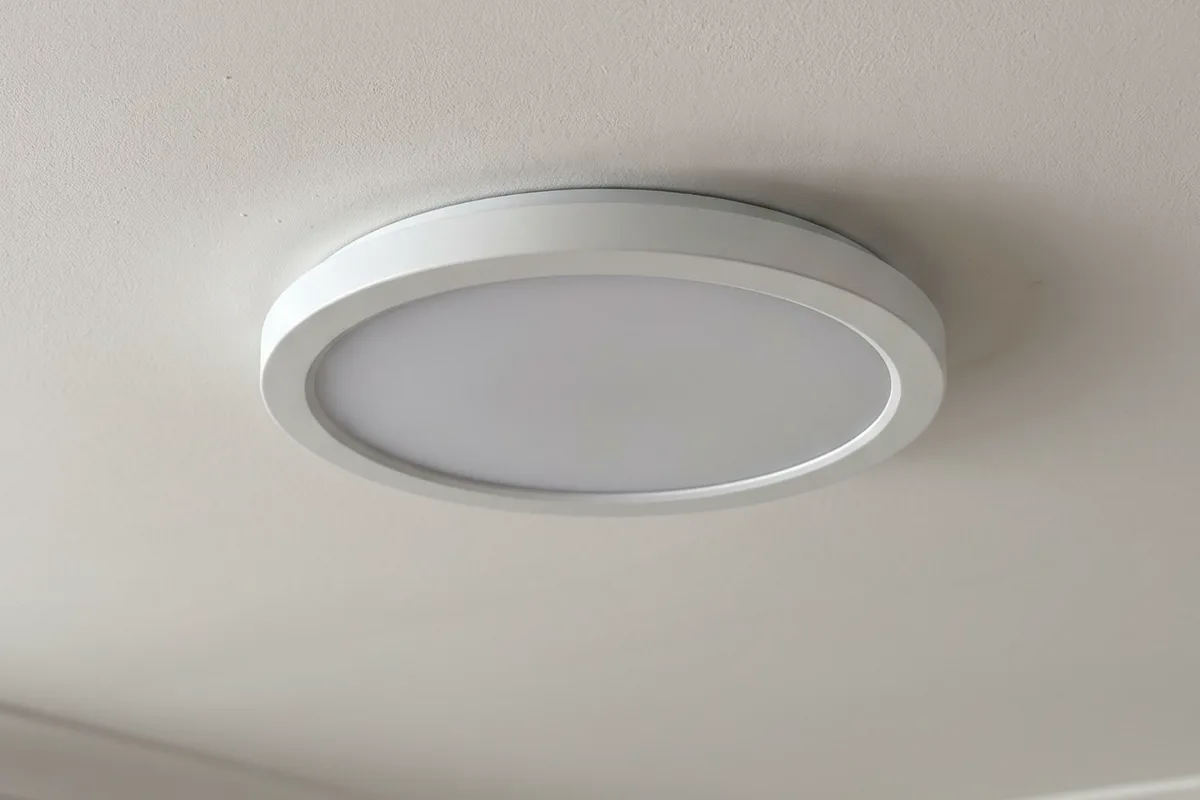
Read the answerOne good oyster often beats a row of downlights in a bedroom or short hall: no glare, fewer holes and no roof crawl. Downlights still win in some rooms.
Read the answerAfter 1 March 2027, a failed gas unit in a rental can't be replaced with gas. Check the switchboard, the spot and the tank size now, so a breakdown is a quick swap.
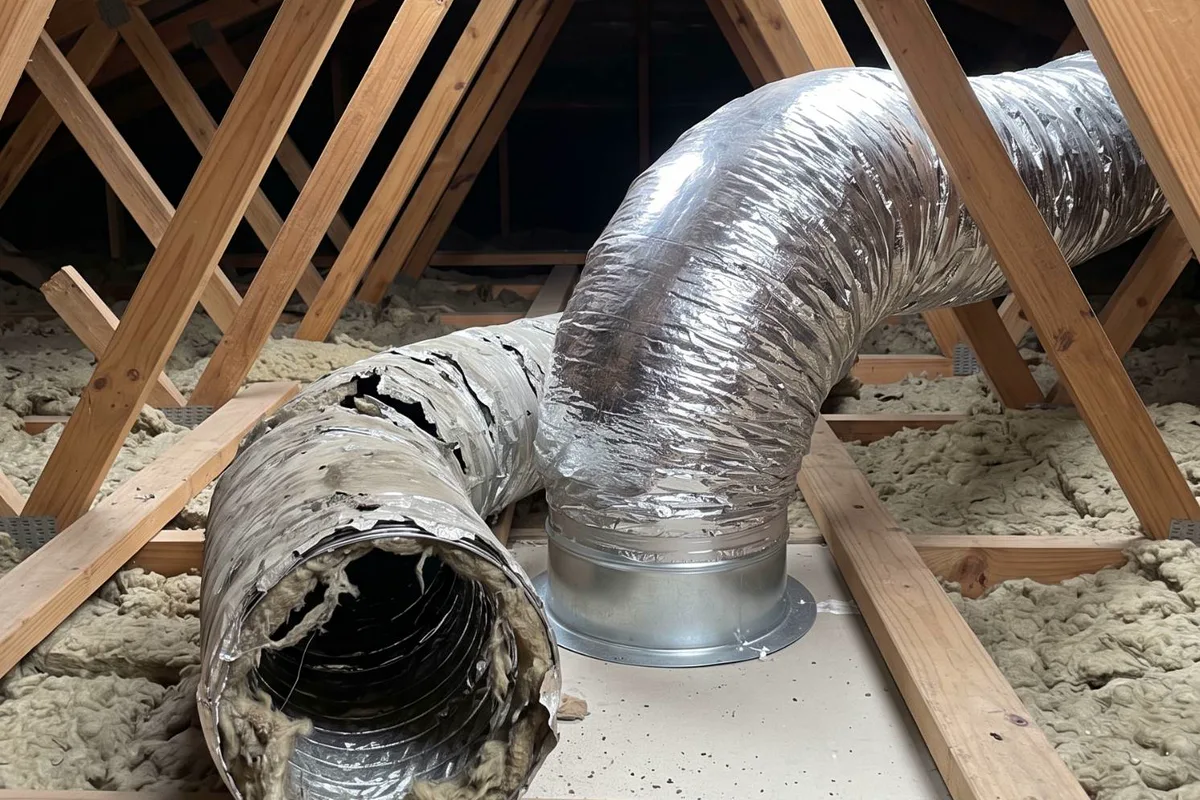
Read the answerRats chew cable sheathing and flexible duct, and possums flatten insulation and nest near warm fittings. Here are the warning signs, and why to check after pest control.
Read the answerCables hide where you least expect them. The electrical risks DIY renovators meet removing walls, cabinets, tiles and ceilings, and when to bring an electrician in.
Read the answerCooling becomes compulsory at the next new agreement from March 2027 and in every rental by July 2030. Here's why installing ahead of the deadline usually pays off.
Read the answerA failed element or thermostat on a sound tank is usually worth fixing. A leaking or rusting tank isn't. Here's how to weigh it up, and where a heat pump fits.
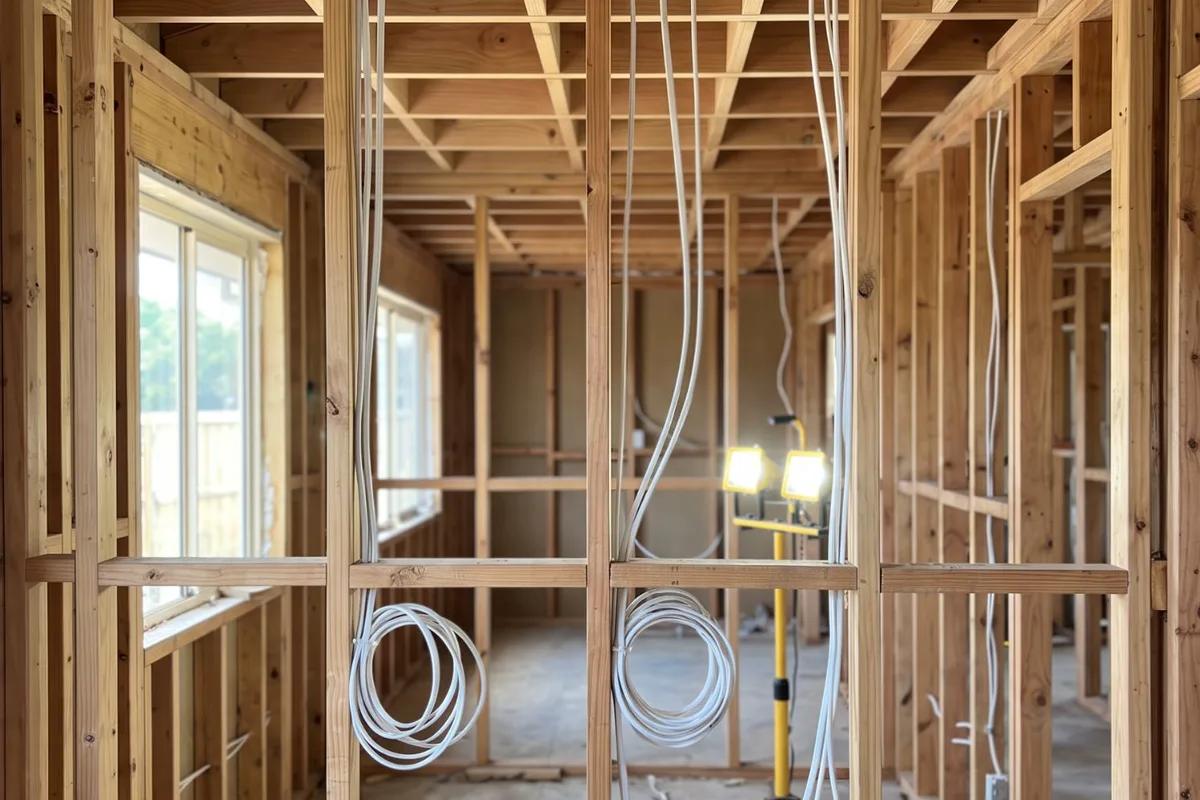
Read the answerUnsafe circuits get fixed now. Otherwise, rewire during the renovation, after framing and before plaster, and bring the rest of the house into the same window.
Read the answerNo. A compliant working heater can stay. But for an old, open-flued or unreliable heater, or a property with no cooling, replacing early often makes sense.
Read the answerOn a forecast hot northerly day, start cooling by mid-morning and close up early. Why it beats a late catch-up, and how it differs for evaporative systems.
Read the answerEvaporative coolers pull outside air through the house, so on smoky days they bring the smoke in. What to do instead, and how refrigerated systems differ.
Read the answerSmart globes are easy and renter-friendly, but go offline the moment someone flicks the wall switch. For whole rooms, smart switches are usually the better choice.
Read the answerSplits, multi-heads and ducted compared for rentals on durability, servicing, how renters use them, the 2027 cooling standard and what happens when one fails.
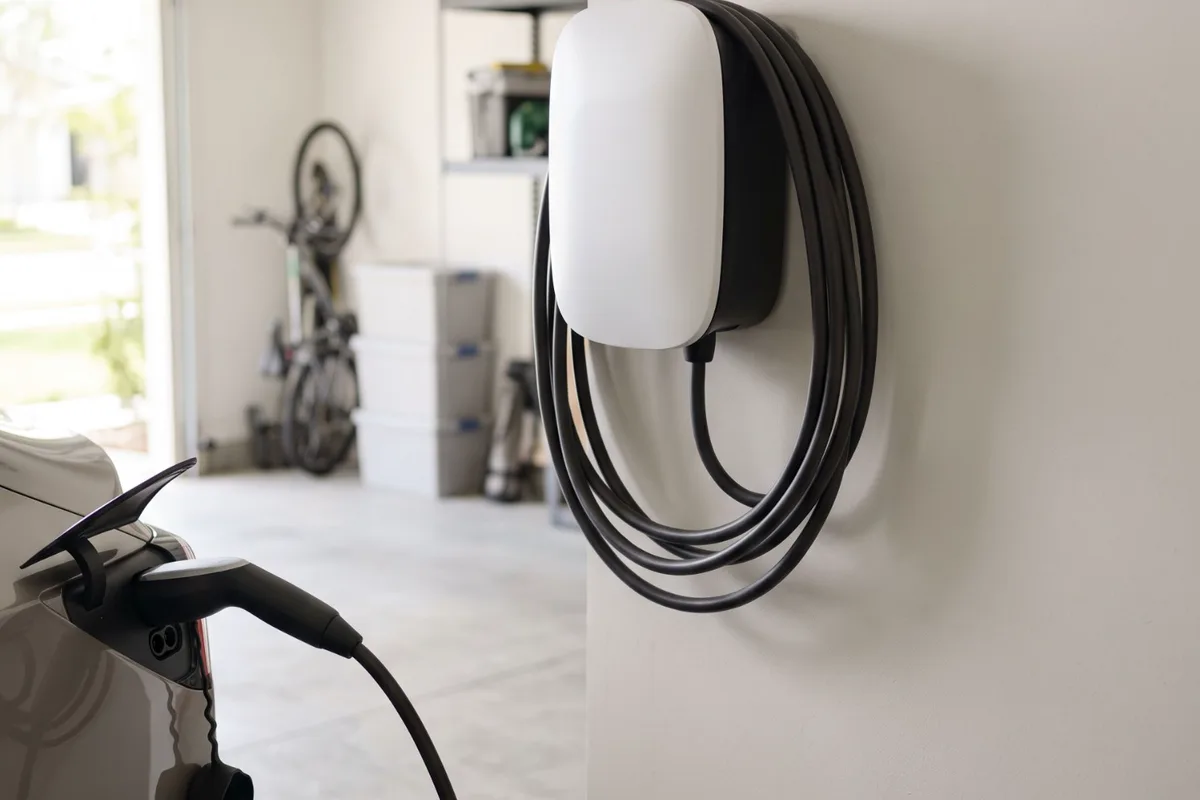
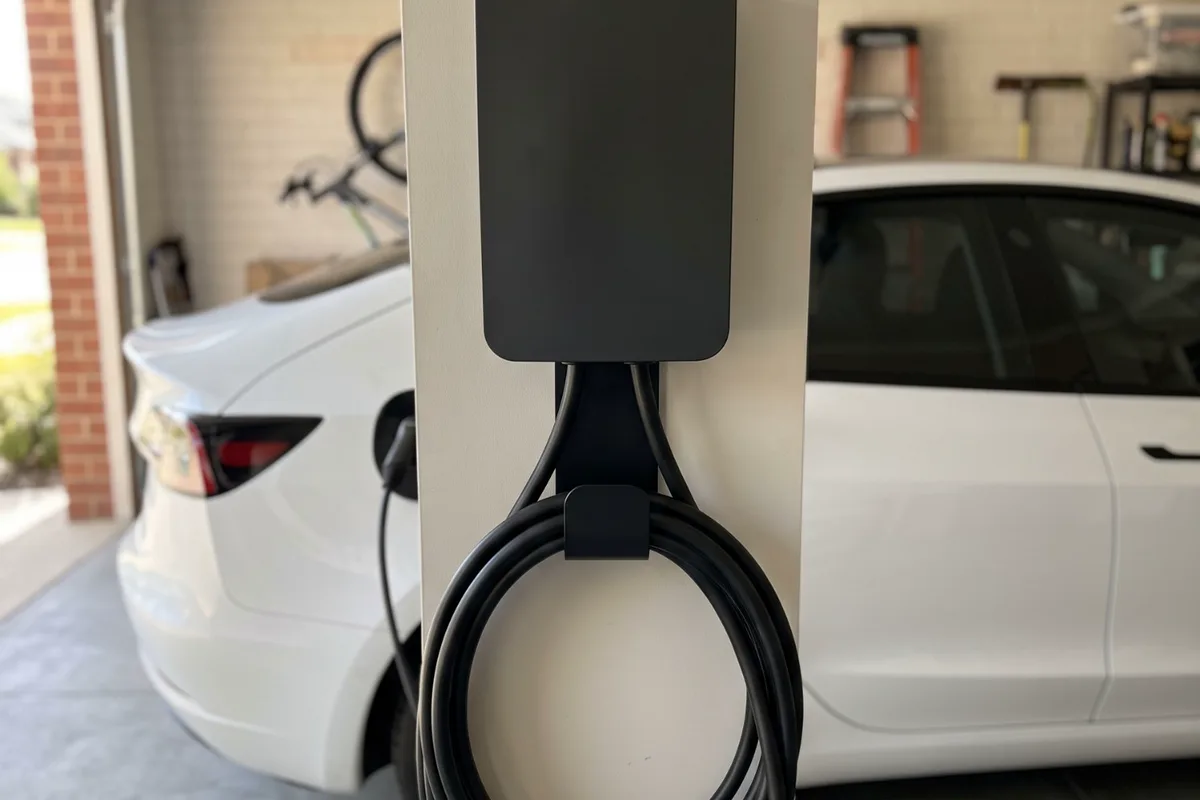
Read the answerOne Tesla that will stay a Tesla? The Wall Connector is a tidy fit. Mixed cars, solar plans or a likely change of car can tip the choice to a universal charger.
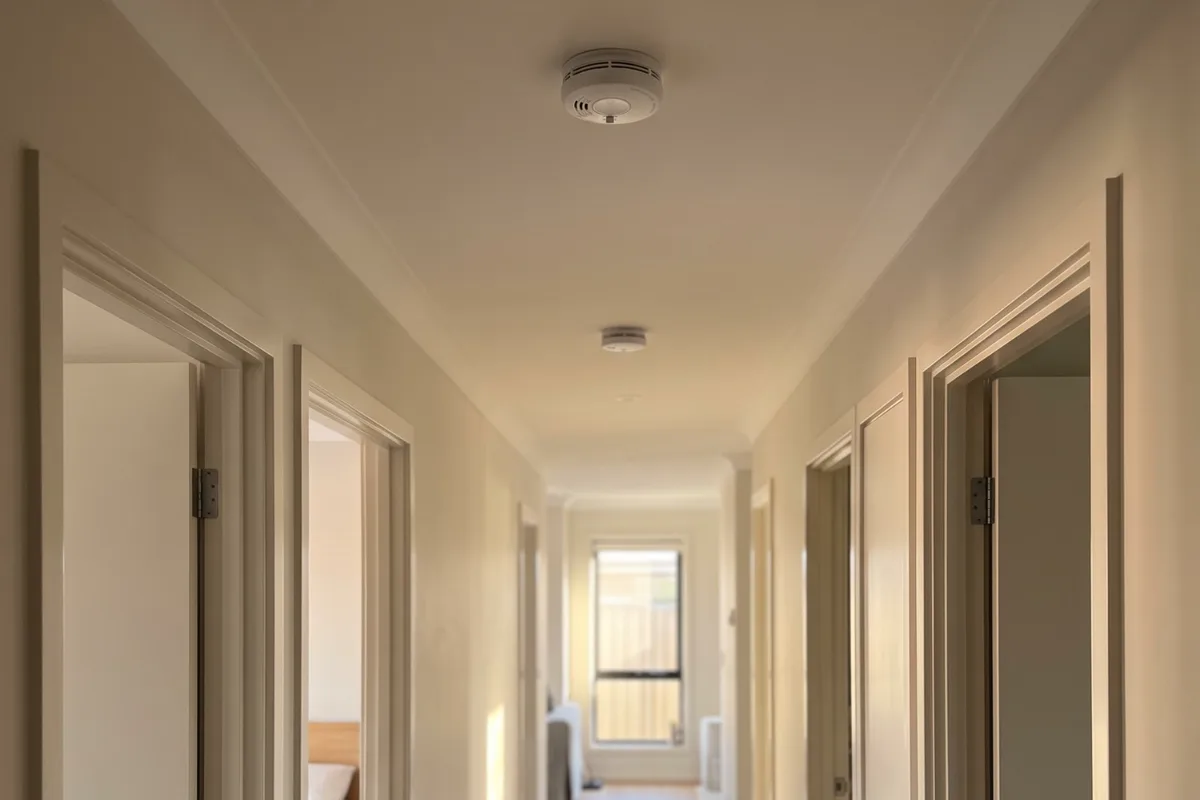
Read the answerAlarm positions, cable paths, cable or radio interconnection and what changes day to day when an older home moves from battery alarms to mains power.
Read the answerFront-wall meter boxes, lath and plaster, basalt walls and period fittings all shape how a heritage home in Melbourne's inner west gets rewired.
Read the answerProperty size, switchboards, access and what the check turns up all change how long a rental electrical check takes. Here's how to compare offers fairly.
Read the answerDistributor works, the mains route, trenching, the meter box and the switchboard decide what a three-phase upgrade involves. Here's how to read the quote.
Read the answerDiagnosis time, parts, refrigerant work, access and the system's type and age all shape a repair bill. Here's how they add up, and when replacement is the better spend.
Read the answerCapacity, zones, outlets, roof access, storeys, duct reuse and the electrical supply all shape a ducted install. Here's how to compare quotes on the same basis.
Read the answerIntermittent faults, access, wiring age and the number of circuits all change how long a fault takes to trace. Here's why, and how you can shorten the hunt.
Read the answerTank size, where the unit goes, gas capping by a licensed gasfitter, a new circuit and removal of the old unit all shape the job. Here's what to check in a quote.
Read the answerCable run, switchboard, supply, phase, mounting and load management decide the scope of an EV charger install. Here's how to make quotes describe the same job.
Read the answerTesting, storeys, roof and subfloor access, wall types, added points, the switchboard and making good decide what a rewire involves. Here's how to compare quotes.
Read the answerCracked power points, unprotected circuits, smoke alarm faults and hazards from renters' own gear come up again and again. Here's how landlords can head them off.
Read the answerPost-war brick and weatherboard homes in Altona, Laverton and Newport often hide original boards, tired wiring and DIY additions. What to look for and where to start.
Read the answerA walk through split system installation day, from mounting and pipe runs to the electrical connection, vacuum, commissioning and handover, and what to prepare.
Read the answerTransformers out, holes sized up, insulation sorted and dimmers matched: what a halogen to LED changeover looks like on the day, room by room.
Read the answerRetrofitting ducted reverse-cycle to a lived-in home: roof space, return air, outlet layout, the outdoor unit, power supply and what the disruption looks like.
Read the answerSpring and autumn give you time to choose well, sort the switchboard and test the system before it's needed. Here's why, and what to do if one fails mid-season.
Read the answerWinter condensation comes from moisture made indoors meeting cold glass. Where it comes from, and how fans, rangehoods and steady heating cut it back.
Read the answerHeating habits, plug-in heaters, a failing hot water element, an ageing system or a tariff change can all push winter bills up. Here's what to check first.
Read the answerWater in fittings, corroded joints, cheap lights, nicked cable and tired transformers cause most garden lighting failures. Here's how to choose lights that last.
Read the answerStairwells, high ceilings, big glass and a unit reading the warmest air in the room all work against one wall split. The settings and fixes that actually help.
Read the answerHeating doesn't remove water from the air, but it lowers the humidity you feel. Why winter air feels dry, and what actually helps, from airflow to filters.
Read the answerOn humid nights the temperature isn't the problem; the moisture is. How dry mode, fan speeds, ceiling fans and sensible set points make a muggy bedroom bearable.
Read the answerWhistles, a booming return, rattles and a droning fan each point somewhere different. Here's how to tell ducts, outlets, the indoor unit and settings apart.
Read the answerA thin garage ceiling, the longest duct in the house and a zone that reads the wrong room: why the bedroom over the garage lags, and the fixes to try in order.
Read the answerLint, heat, water and machines left running make the laundry a risky room. What goes wrong, and the simple fixes that cut the chance of a fire.
Read the answerCompare the diagnosed fault, the rest of the system and the complete replacement scope before deciding what to spend.
Read the answerBuild a room-by-room brief that accounts for closed doors, different routines and where equipment can actually fit.
Read the answerA useful photo set, a short room brief and clear access information help turn a rough enquiry into a defined installation scope.
Read the answerStop the indoor leak becoming a larger problem, record what happened and arrange a diagnosis without dismantling the system.
Read the answerCompare the rooms, routines and installation constraints first, then judge the two proposals against the same brief.
Read the answerUnderstand the difference between a weather-related limit and a change in performance that deserves a service inspection.
Read the answerPrepare a proposal that explains the indoor unit, outdoor unit, service routes, drainage and building access before ordering equipment.
Read the answerUnderstand the urgent-repair category, communicate the fault clearly and coordinate access and authorisation for the contractor.
Read the answerAn empty switchboard slot is only one consideration. Bring your vehicle, charging routine and future appliance plans into the assessment.
Read the answerCoordinate the appliance specification, benchtop opening, electrical assessment and gas removal before the old cooktop comes out.
Read the answerUse fans as part of a room plan, with attention to the occupied area, sleeping preferences and the air conditioner's existing performance.
Read the answerUse the Victorian safety recommendation, identify the installed appliance and ask for a qualified assessment of the heater and its installation.
Read the answerRating and count from Google, 28 September 2026. Every review is shown as written, with our reply.
Tell us about the equipment, the property and what you’d like to achieve. We’ll help you decide the next practical step.
We review every enquiry and confirm the price and availability with you.
Quote this job
Free, fixed price for the agreed scope, no obligation.