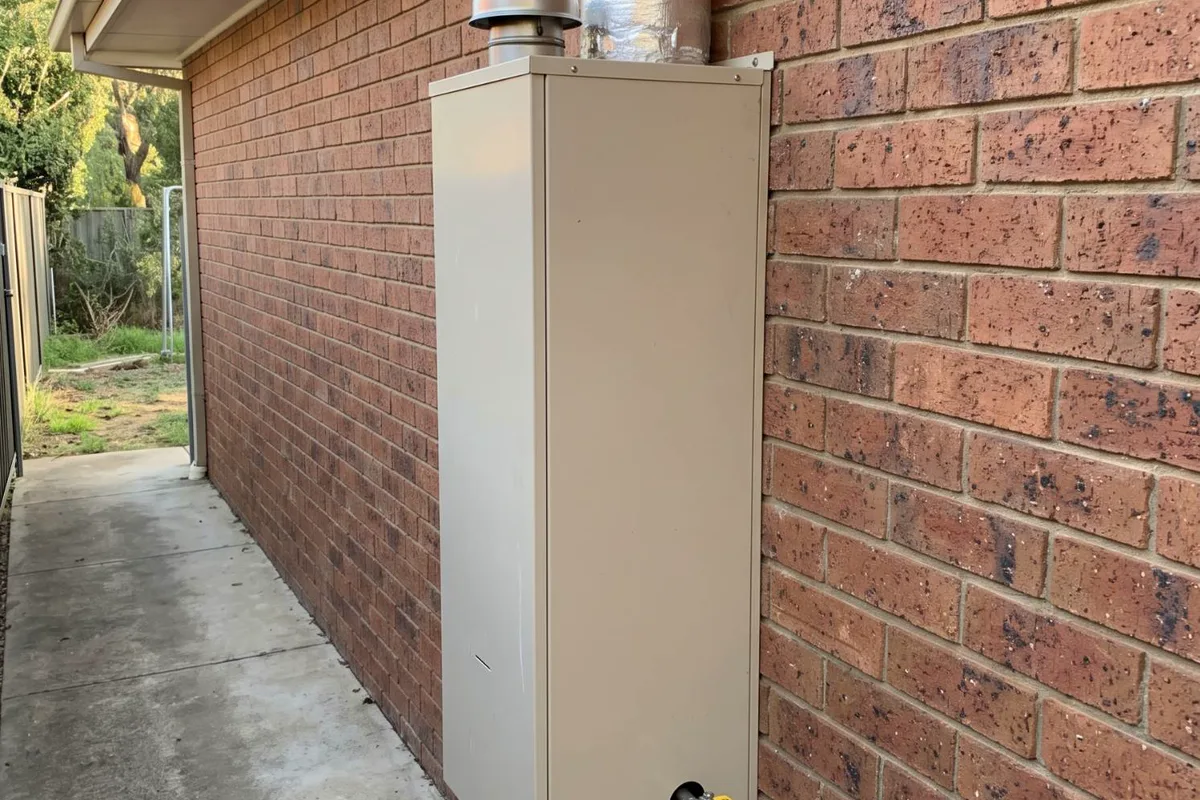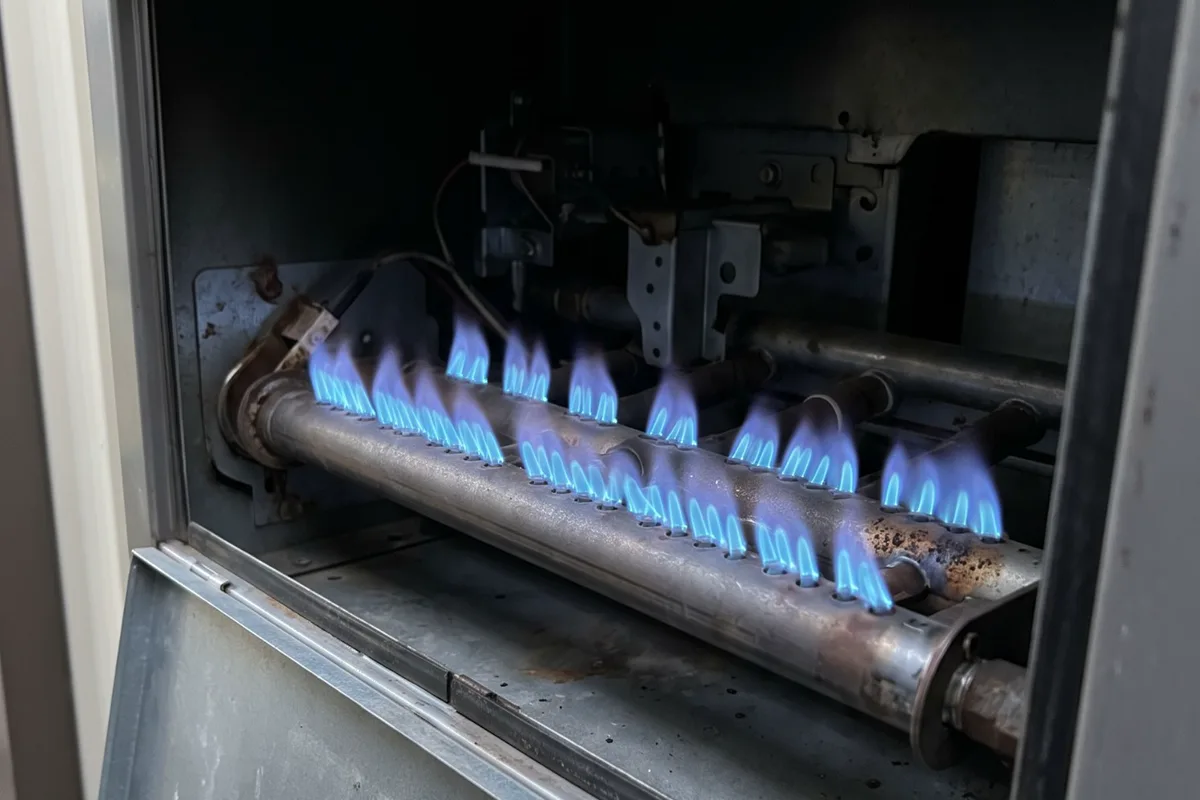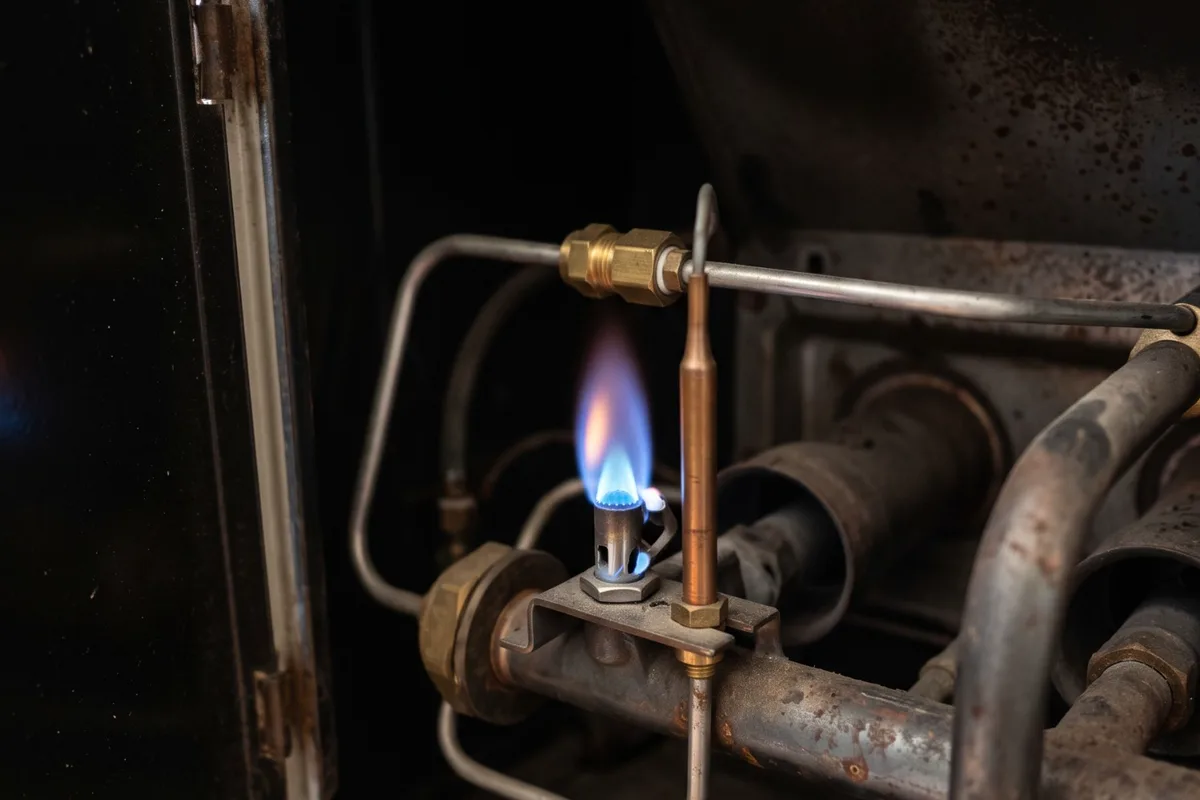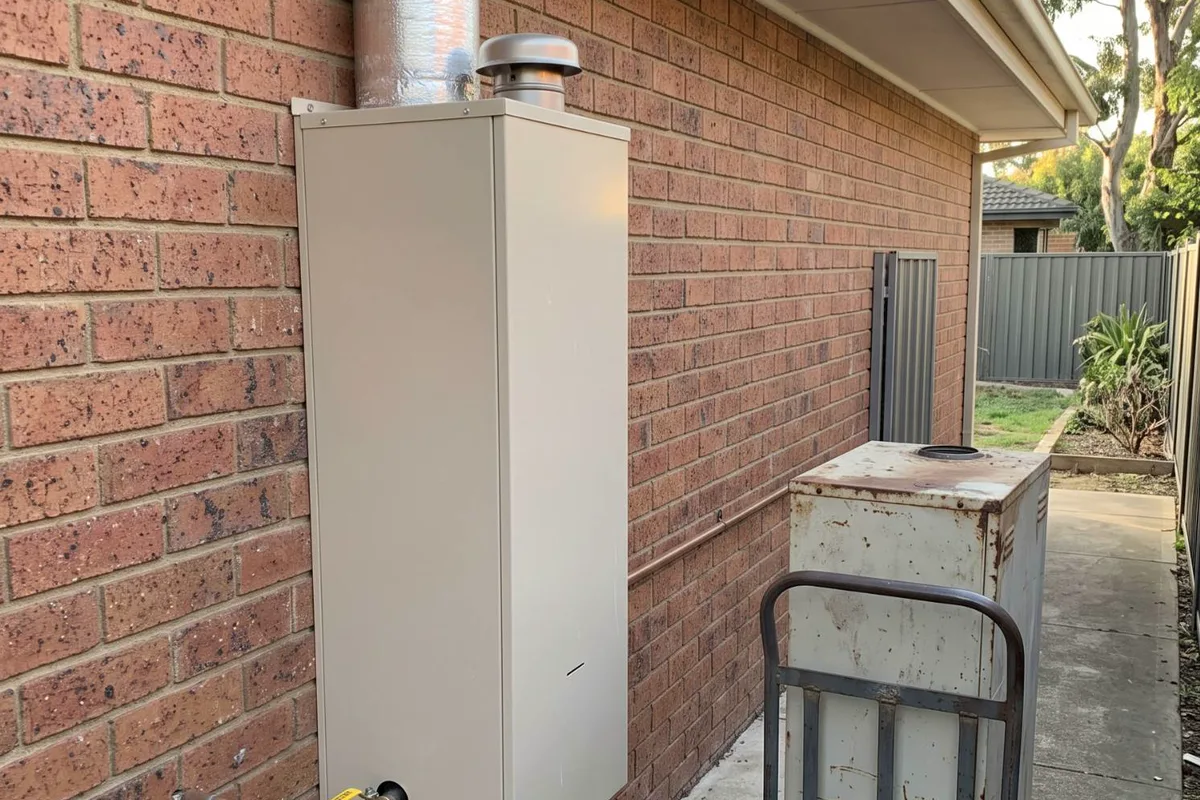
Most gas ducted heaters don’t fail in one go. They need bigger repairs each winter, leave the far rooms cold, or fail a service on a cracked heat exchanger. We check which ducts, flue and wiring can stay and size the new heater for the house as it is now.
When to get it checked
The heat exchanger has cracked
A crack lets combustion gases into the air going through your ducts, so the heater stays off. On an older heater, replacing the exchanger alone rarely makes sense.
Repairs keep coming
An igniter one winter, a fan motor the next. When each repair only buys another season, the money is better spent on a new heater.
It’s old and rarely serviced
Energy Safe Victoria suggests considering replacement if a gas heater is old or hasn’t been serviced for several years. Age changes what a repair is worth.
It can’t warm the house
The far rooms stay cold, or it runs for hours to gain a few degrees. An extension or worn-out ducts may have left it behind.
Why it happens
4 common causes
Heating and cooling cycles
The heat exchanger expands every time the burner fires and shrinks when it stops. Over many winters the metal fatigues and can crack.
Starved airflow
Blocked filters, crushed ducts and closed-off outlets make a heater run hot. Dirty filters significantly cut airflow and efficiency, and the strain adds up.
Damp and corrosion
Heaters under the floor or on an outside wall live with moisture. Rust on the burner, casing or flue shortens their working life.
Wrong size from day one
An undersized heater runs flat out on cold nights; an oversized one keeps firing and stopping. Both wear parts faster.
What the job covers
What we usually do on this job. Your quote confirms it for your place.
- Heater, flue, ducts and outlets inspected
- New heater sized for the rooms it serves
- Old heater disconnected by a licensed gasfitter and taken away
- New heater installed, flued and connected to gas
- Ducts joined to the new heater and sealed
- Wall controller replaced and wired
- Airflow checked at every outlet
- Gas compliance certificate and Certificate of Electrical Safety
Your options, explained
Like for like on the existing ducts
Low disruption- Best for
- Sound, insulated ducts and a heater in a good spot
- How it works
- The new heater takes the old one’s place, ducts and flue route.
- Worth knowing
- Only worth it if the ducts will outlast the new heater.
New heater with duct renewal or zoning
Medium disruption- Best for
- Worn ducts, or homes that use living areas and bedrooms at different times
- How it works
- Failed runs are replaced with insulated ducting, and motorised dampers can split the system into zones.
- Worth knowing
- Ducts should be insulated to at least R1.5 with sealed joints, and the Victorian Government recommends zones.
Switch to ducted reverse cycle
High disruption- Best for
- Households that want cooling as well as heating
- How it works
- The gas heater comes out and a reverse-cycle system goes in, reusing ducts only where they suit it.
- Worth knowing
- A bigger job, covered on our gas to electric heating page.
The people behind the work
One local team for electrical, heating and cooling. Family-run, based in Altona Meadows, with 19 years in the industry.
Licensed electrical contractor (REC 38187)See more team photos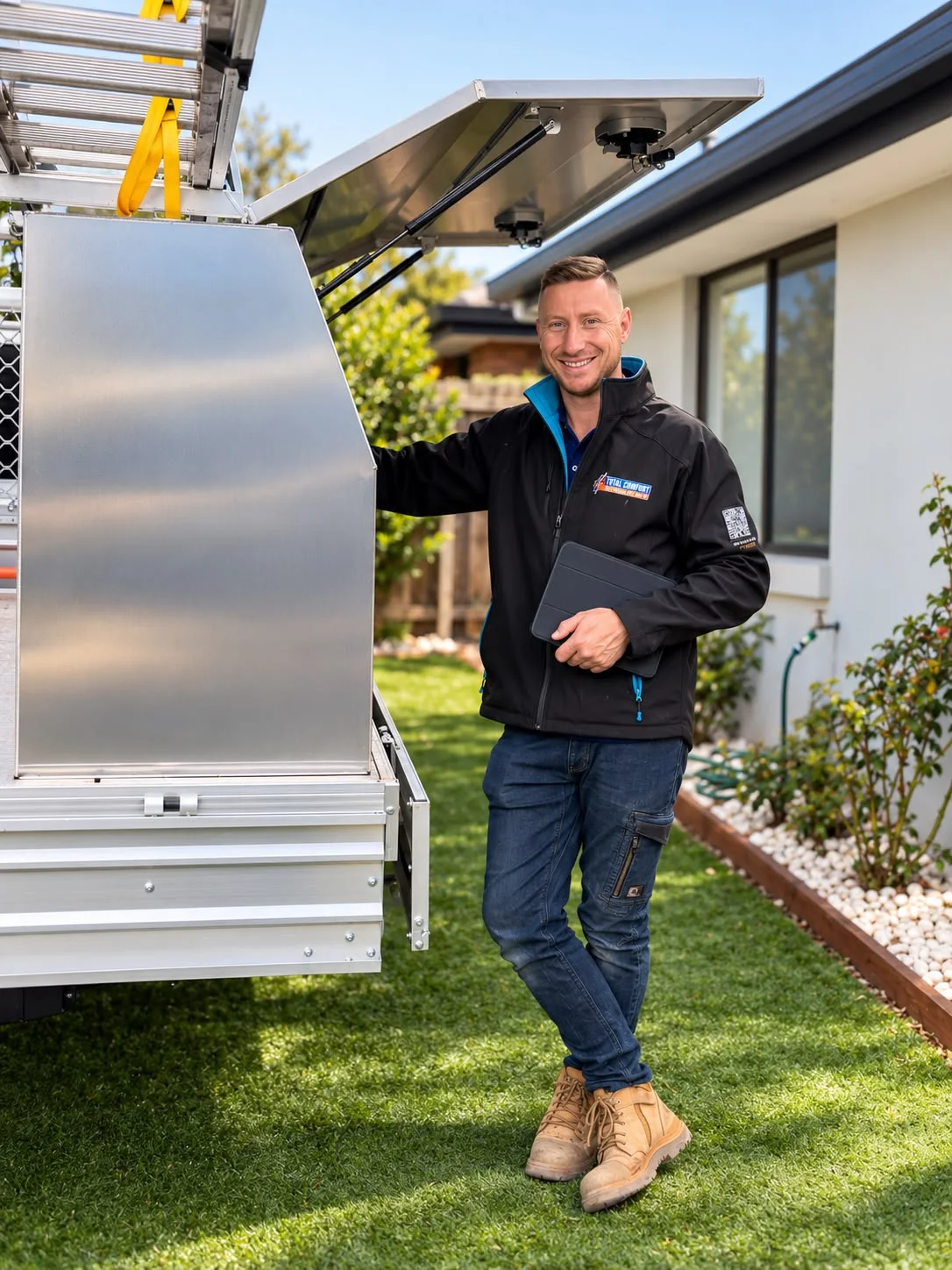
Worth knowing before you book
- Don’t copy the old size
- Houses get extended and insulated, and some heaters were the wrong size from the start.
- Ducts matter as much as the heater
- A new heater on crushed or bare ducts still leaves cold rooms. We check every run before quoting.
- Plan it before winter
- A heater that fails mid-winter can mean cold nights while you wait.
What affects the price?
The right scope depends on your installation. These are the details we check so your quote is useful, with any additional work explained before it proceeds.
Heater size and efficiency
A bigger or more efficient heater costs more to buy. Weigh that against years of gas bills.
Where the heater sits
Roof-space, under-floor and outside-wall units differ in access. Moving the heater adds flue, gas and duct work.
How much ductwork is renewed
Each run, outlet or return-air grille replaced adds materials and time in the roof or under the floor.
Controls and electrical
Zone dampers, a new controller and any upgrade to the heater’s power supply add parts and wiring.
How it runs
- 1
Look it over
Heater, flue, ducts, controller and power supply checked.
- 2
Size and quote
Heater sized for the house, options priced, fixed price for the agreed scope.
- 3
Changeover and commission
Gas work by a licensed gasfitter, wiring by our electricians, then a test run.
Step by step, in more detail
4 steps
Inspect and size
We check the heater, flue, power supply, controller and every duct run, then size the new heater for the rooms it serves rather than copying the old label.
Quote the options
You get a fixed price for the agreed scope, with zoning or duct renewal priced separately. If you want to compare ducted reverse cycle, we’ll price that too.
Changeover
A licensed gasfitter disconnects the old heater, then connects and flues the new one. The ducts are joined and sealed, and our electrician wires the power and controller.
Commission and hand over
The heater is checked for correct burning and venting and run through a full cycle while we check airflow at each outlet. We set up the controller with you.
What is safe to do, and what to leave to us
Safe for you to do
- Turn the heater off at the controller if it smells, sounds different or keeps shutting down.
- If anyone gets headaches, dizziness or nausea while it runs, turn it off, get into fresh air and seek medical help.
- Reset a tripped safety switch once. If it trips again, leave it off.
- Keep floor outlets and the return-air grille clear.
Leave these to us
- Relighting, adjusting or opening the heater. Unlicensed gasfitting is illegal and potentially fatal.
- Disconnecting the old heater or capping the gas pipe yourself.
- Touching the controller wiring or heater supply. Electrical work isn’t DIY.
- Running a heater a gasfitter has isolated as unsafe.
When to get us in
- A service found a cracked heat exchanger or carbon monoxide spillage
- An older heater needs another major repair
- Rooms stay cold with the heater running
- You own a rental with an ageing gas ducted heater
More detail
Who does which part
A gas ducted heater is a Type A appliance, and the Building and Plumbing Commission licenses Victoria’s gasfitters. The gasfitter must give you a compliance certificate when an appliance is removed from its fixed location or the gas piping is modified. Our electricians do the wiring, which comes with a Certificate of Electrical Safety.
Gas again, or reverse cycle
Decide before anything is ordered. The Australian Government’s energy advice says ducted reverse cycle is more cost-efficient than gas heating, and it adds cooling. Old heating ducts don’t always suit cooling airflow, so compare the ducts as well as the units.
After the changeover
All gas heaters can spill carbon monoxide, which you can’t see or smell. Energy Safe Victoria recommends servicing ducted heaters every two years, with a CO test at the heating outlets in every room. A CO alarm helps but never replaces servicing, and a hard-wired one must be installed by a licensed electrician.
Local rules and conditions
Victorian requirements and local conditions that shape this job, with the sources listed at the foot of the page.
Built for cold, still nights
At the Laverton weather station, July’s mean minimum is 5.2 °C. Victorians typically use more energy heating than cooling, so weigh heating efficiency when you choose.
Owner-occupiers can still choose gas
From 1 March 2027, a gas hot water appliance that breaks beyond repair must be replaced with an electric one. There’s no requirement to switch gas space heating to electric, though the Victorian Government encourages it.
Rental heating from 1 March 2027
Under the current rental standard, a ducted heating system with an outlet in the main living area counts as energy efficient. From 1 March 2027, rental heating that fails and can’t be repaired must be replaced with energy-efficient fixed electric heating with an outlet in the main living area.
Useful reading
Guides to read before you decide, with checklists and questions to bring to the quote.
- Gas ducted heater: repair or replace?How to weigh a ducted gas heater fault against the heater's condition, the ducts and the electric option, once the safety checks are done.
- Reverse-cycle air conditioning or gas heating?How each one makes heat, how it feels on a cold night in Melbourne's west, what Victoria's gas rules mean for you and what switching really involves.
- Ducted zoning explainedZones, dampers, controllers and room sensors in plain terms, plus the airflow limits that decide whether zoning will fix your comfort problem.
- Landlords: heating, cooling and electrical obligations in VictoriaA rental provider's map of the heating, switchboard, safety check and repair duties on a Victorian rental, and what the 2027 energy standards change.
Common questions
From the blog
Sources for the rules and local facts on this page
18 sources, with the date each was checked
- 1.Bureau of Meteorology: Mean minimum temperature (°C) 14.0 14.4 12.7 10.0 7.8 5.9 5.2 5.7 6.8 8.4 10.3 12.2 9.5 81 1943 2026 Accessed 30 September 2026.
- 2.Department of Energy, Environment and Climate Action (energy.vic.gov.au), page last updated 14/04/25: Victorians typically use more energy for heating than cooling, so look for a unit with a higher heating efficiency. Accessed 30 September 2026.
- 3.Department of Energy, Environment and Climate Action (Victoria): From 1 March 2027, if a gas hot water appliance breaks and cannot be repaired, it must be replaced with an electric alternative. No requirement to upgrade gas space heating or stovetop gas cooking to electric, however… Accessed 30 September 2026.
- 4.Consumer Affairs Victoria: An energy efficient fixed heater must be one of the following: a non-ducted air conditioner or heat pump with a 2 star or above energy rating a gas space heater with a 2 star or above energy rating a ducted heating… Accessed 30 September 2026.
- 5.Consumer Affairs Victoria: From 1 March 2027, when an existing fixed heating system fails and can't be repaired ,it must be replaced with an energy-efficient fixed electric heating system with an outlet in the main living area. You do not need to… Accessed 30 September 2026.
- 6.Energy Safe Victoria: Check for changes in how your gas heater operates. For example if the flame changes from its usual colour. If there is any change, you must get a qualified gasfitter to inspect your gas heater and check it for CO… Accessed 30 September 2026.
- 7.Energy Rating (GEMS Regulator / DCCEEW): Dirty filters significantly reduce the amount of airflow and the energy efficiency of the unit. It can also impact the effectiveness of its heating. Cleaning clogged filters, or replacing a worn one, can lower the… Accessed 30 September 2026.
- 8.YourHome (Australian Government): Ducts must be well insulated, to at least R1.5, and joints sealed to prevent condensation and leakage. The roof should have reflective foil insulation installed and be vented to dispel hot air. Zoned systems cool only… Accessed 30 September 2026.
- 9.Department of Health (Victoria): When carbon monoxide is inhaled, it replaces oxygen in the blood, which may cause symptoms including tiredness, shortness of breath, headaches, dizziness, nausea, weakness, confusion or chest pain. Accessed 30 September 2026.
- 10.Energy Safe Victoria: Locate your electricity box outside your home and check whether the safety switch has tripped. If it has tripped, reset the switch. If the switch won’t reset, call a licensed electrician. Accessed 30 September 2026.
- 11.Energy Safe Victoria: Gas and electricity are inherently dangerous and it’s illegal and potentially fatal for unlicensed and unqualified people to undertake any gasfitting or electrical work. Accessed 30 September 2026.
- 12.Energy Safe Victoria: The Building and Plumbing Commission (BPC) is responsible for registering, licensing and disciplining plumbers and gasfitters in Victoria. Accessed 30 September 2026.
- 13.Building and Plumbing Commission: After they have done the servicing work, the gasfitter must provide you with a compliance certificate if the total value of the work is $750 or more or involves removing the appliance from its fixed location, or if they… Accessed 30 September 2026.
- 14.Energy Safe Victoria: Whenever a licensed electrician completes any electrical installation work, they must provide a Certificate of Electrical Safety (COES). Accessed 30 September 2026.
- 15.energy.gov.au (Australian Government, DCCEEW): The energy efficiency of reverse-cycle air conditioners on the Australian market ranges between 300% to 600% efficient. Air conditioners can achieve such high rates of energy efficiency because they do not use… Accessed 30 September 2026.
- 16.Energy Safe Victoria: All gas heaters can spill carbon monoxide (CO) – a gas you can’t see or smell that can make you seriously unwell or kill you. Accessed 30 September 2026.
- 17.Energy Safe Victoria: It is recommended that ducted heaters are serviced every two years and during this service a CO test should be conducted at the heating vent outlets in all rooms. Accessed 30 September 2026.
- 18.Solar Victoria (updated 20 November 2025): To heat a room, try setting the temperature between 18°C to 20°C. Every 1°C higher will add around 10% to your heating bill. Set your air conditioner thermostat for cooling between 24°C and 26°C for living areas – every… Accessed 30 September 2026.