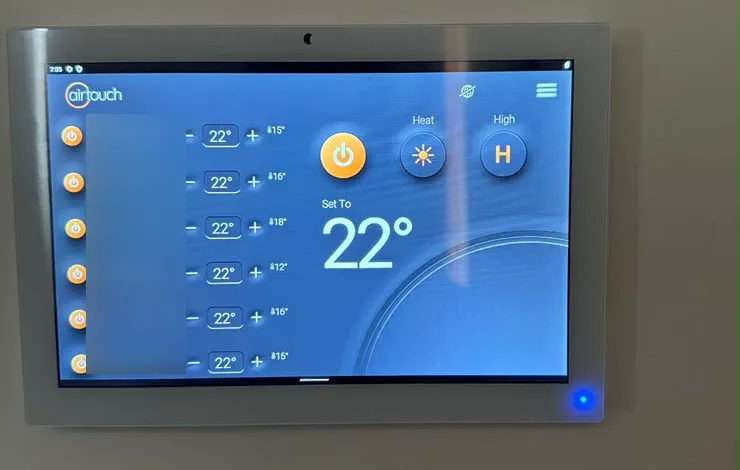
AirTouch 5 is Polyaire's touchscreen and app control for zoned ducted systems, with optional sensors for per-zone temperatures. Our team checks it suits your unit, reuses sound dampers where we can and does the wiring ourselves. Then we set up the zones, schedules and app with you.
When to get it checked
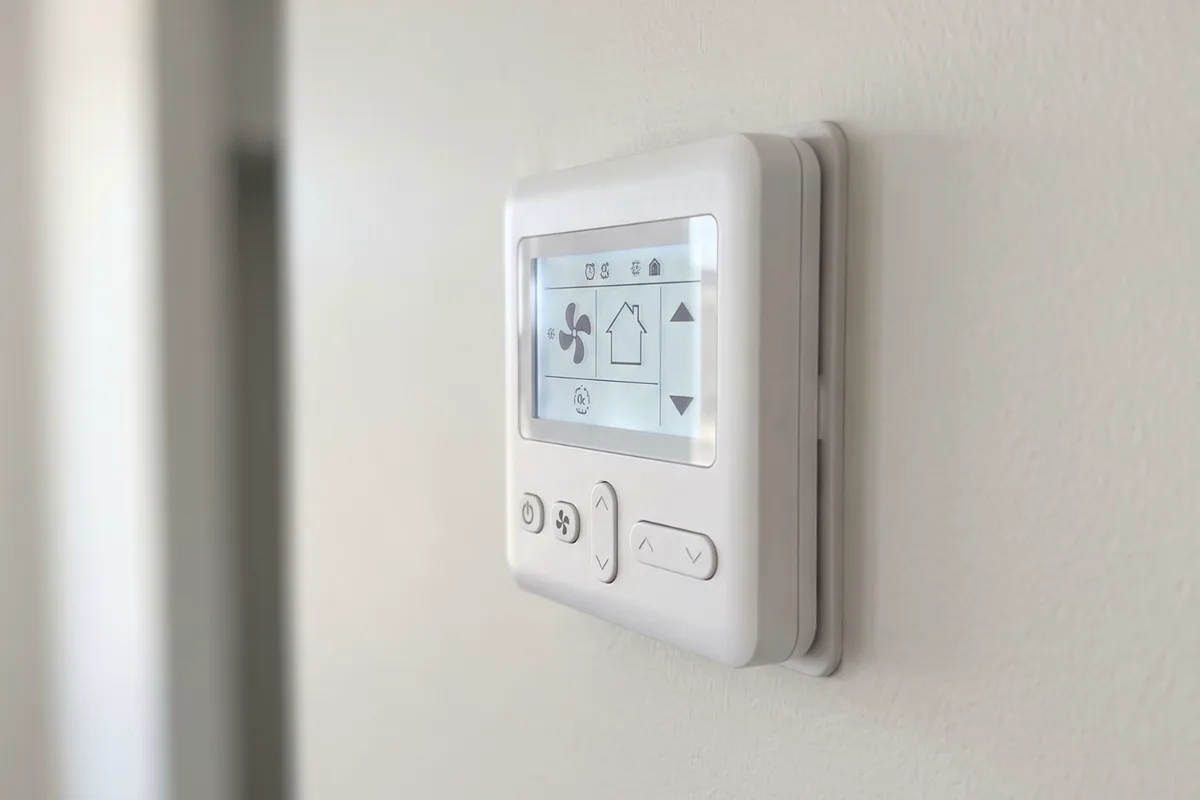
Your zone controller is on its way out
Buttons don't respond, the screen has faded, or zones drift from what the controller shows. Parts for older controllers can be hard to find.
You want each room at its own temperature
Basic zoning only turns zones on and off. If the sunny lounge overheats while the bedrooms stay cool, per-zone temperature control is the step up.
You'd like control from your phone
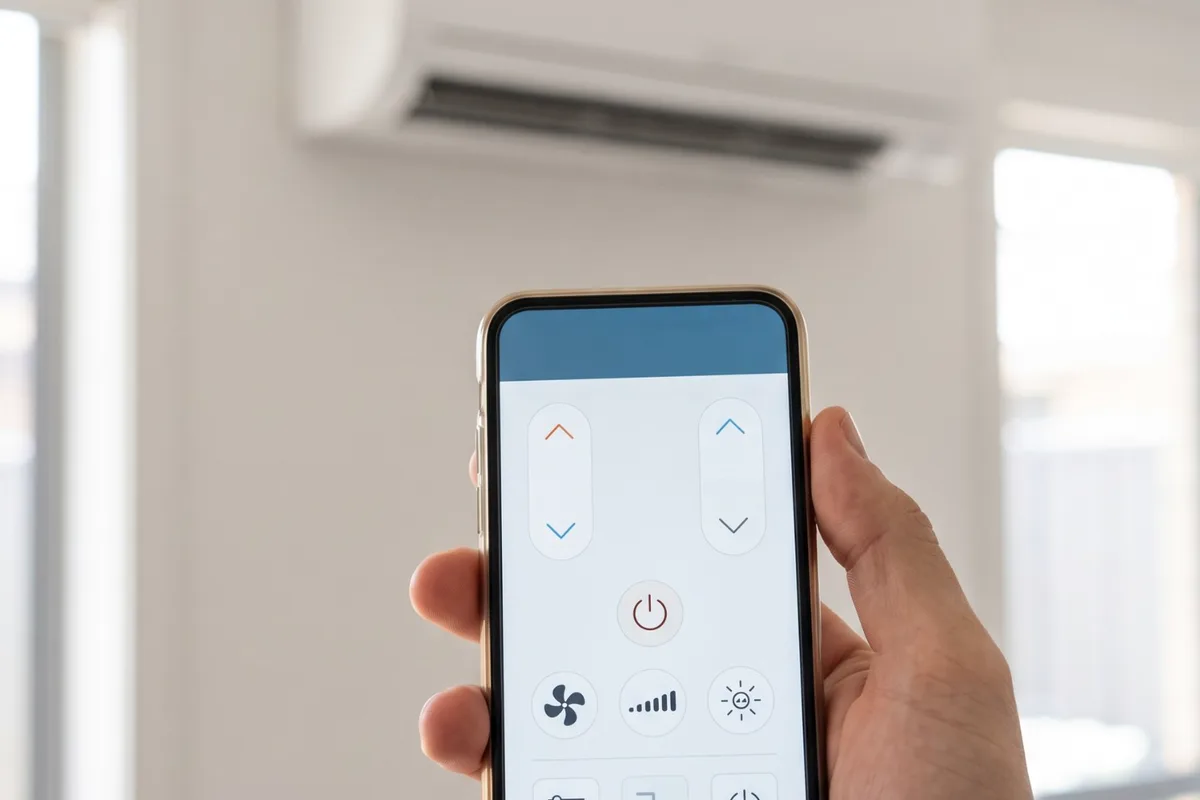
Turning the heating on before you get home, or checking whether the system was left running, needs app control over your home Wi-Fi.
A new ducted system is going in
A new install or replacement is the easiest time to plan the zones, sensor positions and console location together.
The house runs two ducted units
Larger homes and double storeys sometimes have two systems with two controllers. Polyaire says AirTouch 5 can manage more than one unit from the same console.
Why it happens
4 common causes
Zoning without temperature control
Many systems were zoned with on/off dampers and a single sensor at the return grille or controller, so every open zone runs to that one reading.
Old controllers wear out
Controllers and zone modules from earlier zoning systems fail with age, and like-for-like replacements aren't always available.
Rooms that heat and cool differently
A west-facing living area, an upstairs bedroom and a shaded study need different amounts of air. One temperature for all of them leaves someone uncomfortable.
Systems left running in an empty house
Without remote access, a system left on runs until someone gets home. App control, and features such as geofencing, are designed to catch that.
What the job covers
What we usually do on this job. Your quote confirms it for your place.
- Unit compatibility checked before quoting
- Existing dampers and motors tested
- Zone plan matched to the unit's airflow
- Dampers fitted or reused at the take-offs
- Zone module and cabling installed
- Wall console mounted where you'll use it
- Optional zone temperature sensors placed
- App and Wi-Fi set up on your phone
- Each zone tested alone and together
- Certificate of Electrical Safety for the wiring
Your options, explained
AirTouch 5 in place of an older zone controller
Low disruption- Best for
- A zoned system whose controller or zone module has failed or is hard to use
- How it works
- The old controller and module come out and AirTouch 5 goes in, reusing sound dampers and cables where they're compatible.
- Worth knowing
- Damper motors that are worn, or a different type, may need replacing at the same time.
AirTouch 5 with on/off zones
Medium disruption- Best for
- Homes that want app control and simple zone switching
- How it works
- Each zone's damper opens or closes from the console or the app, and the system runs to one temperature reading.
- Worth knowing
- Polyaire sells the temperature sensors as an optional extra, so this can be a starting point.
AirTouch 5 with zone temperature sensors
Medium disruption- Best for
- Houses where rooms warm and cool at very different rates
- How it works
- Wireless sensors in each zone report back, and the system adjusts airflow to hold each zone near its own set temperature.
- Worth knowing
- Sensor placement matters: away from direct sun, heaters and the outlets themselves.
AirTouch 5 on a new ducted system
High disruption- Best for
- New installs and replacements
- How it works
- The zones, dampers, sensors and console are designed with the duct layout from the start.
- Worth knowing
- Planning it at the start is simpler than adding it later. Our ducted reverse cycle page covers the full install.
The people behind the work
One local team for electrical, heating and cooling, based in Altona Meadows, with 19 years in the industry.
Licensed electrical contractor (REC 38187)See more team photos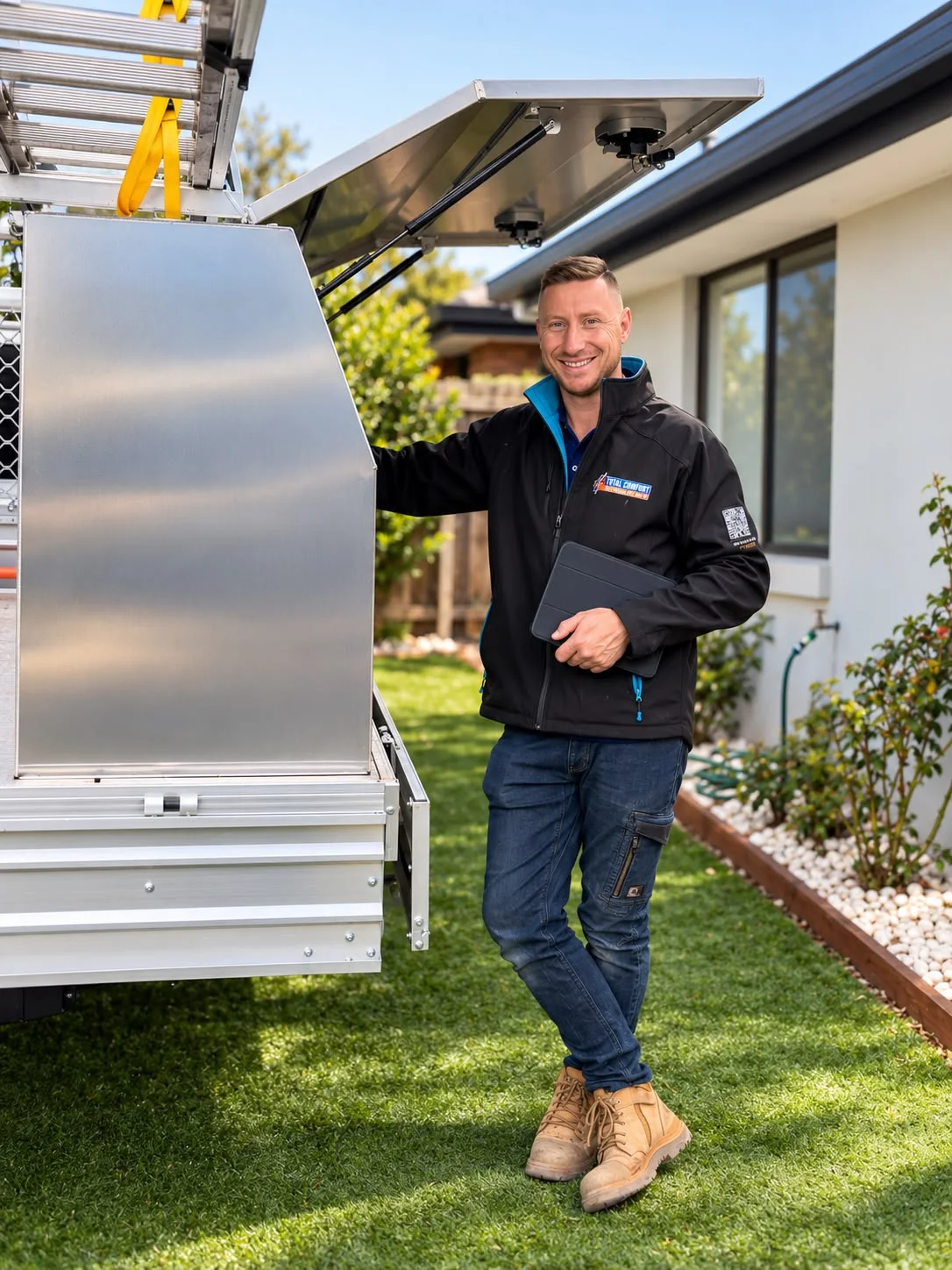
Worth knowing before you book
- Send the unit labels
- Photos help us confirm compatibility early.
- Sensors are optional
- Add them for per-zone temperature control.
- Dampers matter too
- Worn damper motors are replaced first.
What affects the price?
The right scope depends on your installation. These are the details we check so your quote is useful, with any additional work explained before it proceeds.
Number of zones
Each zone needs at least one damper, and a big zone may need more. More zones also mean more cable back to the module.
What can be reused
Sound dampers and cabling of a compatible type can often stay. Worn or mismatched motors need replacing.
Temperature sensors
Per-zone temperature control needs a sensor in each zone you want controlled, which adds parts.
Roof access and duct layout
A low-pitched roof, ducts between floors in a double storey or take-offs that are hard to reach all add time.
Console position and Wi-Fi
Mounting the console somewhere other than the old controller's spot can mean running new cable. Weak Wi-Fi where it sits may need better coverage before the app works reliably.
How it runs
- 1
Check compatibility
Unit, controller and dampers checked.
- 2
Plan the zones
Zones, sensors and console spot agreed.
- 3
Install and wire
Dampers, module, console and cabling fitted.
- 4
Set up together
Zones, schedules and app configured.
Step by step, in more detail
5 steps
Check your unit and current zoning
Send photos of the indoor unit labels, the wall controller and any zone module you can see. Compatibility with your unit, and what the existing dampers can do, shape the design.
Look in the roof
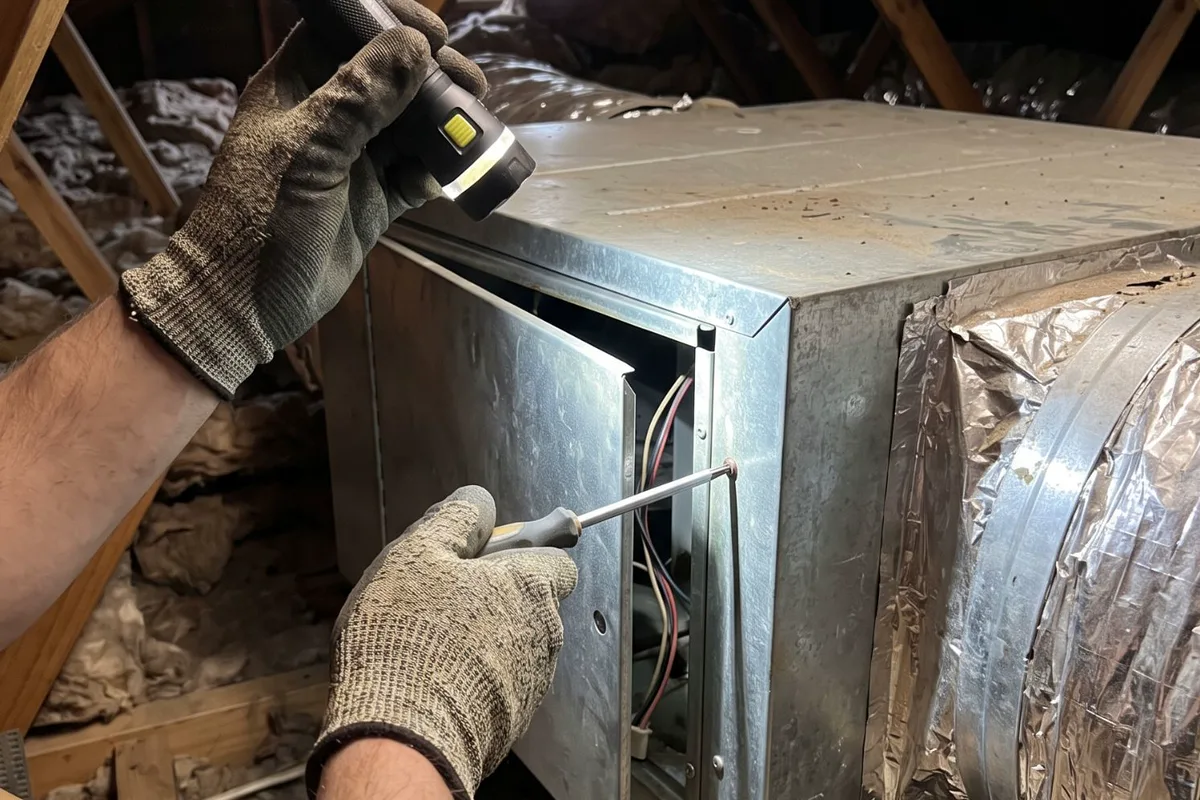
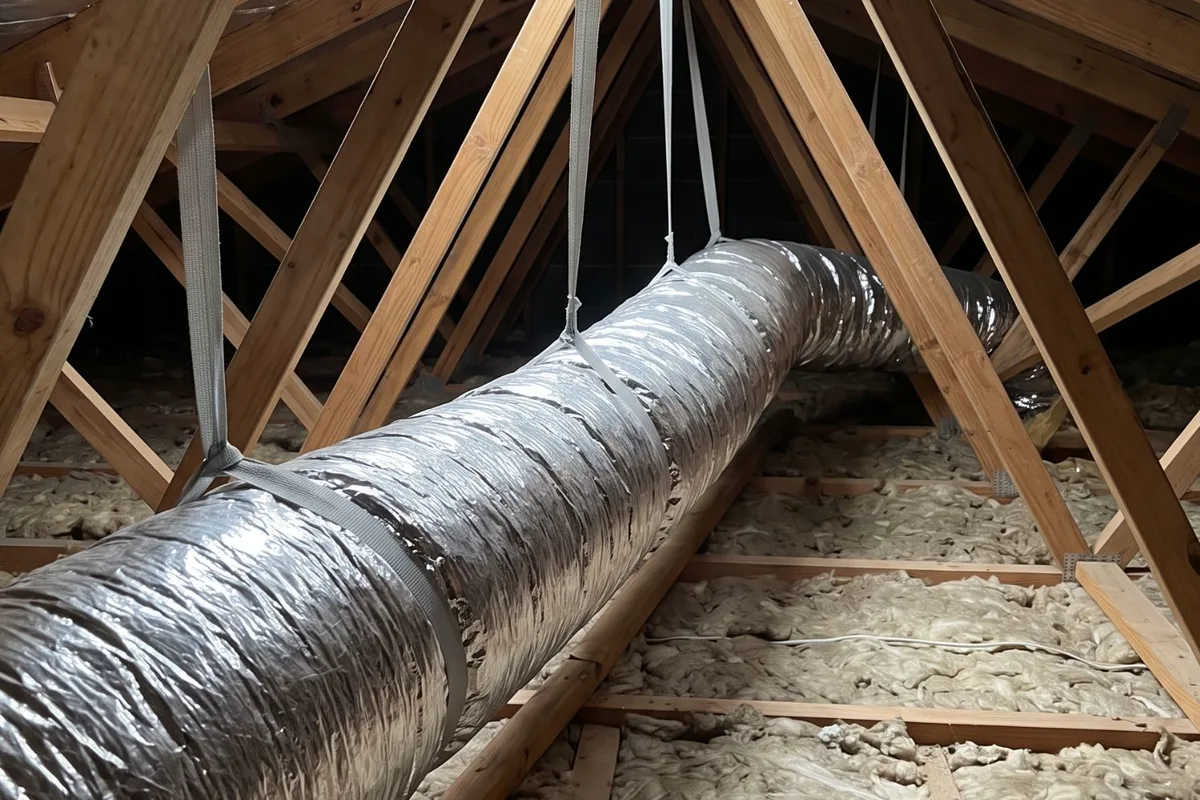
We trace the ducts to each outlet, check the type and condition of any existing dampers and motors, and work out where the module, sensors and console should go.
Design the zones
Zones are grouped by how you use the house and checked against the unit's minimum airflow, with a spill path where the design needs one. You get the plan and the price before we start.
Install and wire
Dampers are fitted or reused at the duct take-offs, cables run to the zone module, and the console goes on the wall where you'll actually use it. Our electricians do the wiring.
Set up and hand over
We name the zones, set schedules and temperatures, connect the console to your Wi-Fi and the app on your phone, then run each zone alone and together.
What is safe to do, and what to leave to us
Safe for you to do
- Before the visit, photograph the indoor unit labels, the current controller and any zone module you can see without going into the roof.
- If a zone stops responding, check the console shows it switched on and that no schedule is overriding it.
- Keep wireless zone sensors where we placed them, away from sunny windows, heaters and lamps.
- If the console goes blank or the system smells hot, turn it off, and switch off at the switchboard if it's safe to reach.
Leave these to us
- Climbing into the roof space to look at dampers or the zone module.
- Wiring a console or zone module yourself. Electrical work isn't a DIY job, even for small jobs.
- Shutting most zones to force air into one room. It raises duct pressure and strains the fan.
- Opening the indoor unit to reach the controller connections.
When to get us in
- Your zone controller is failing, or parts for it aren't available
- You want each room held at its own temperature
- You want to control the system from your phone
- You're installing or replacing a ducted system and want zones planned in
- A zone stays open or shut whatever the console says
More detail
What AirTouch 5 is made up of
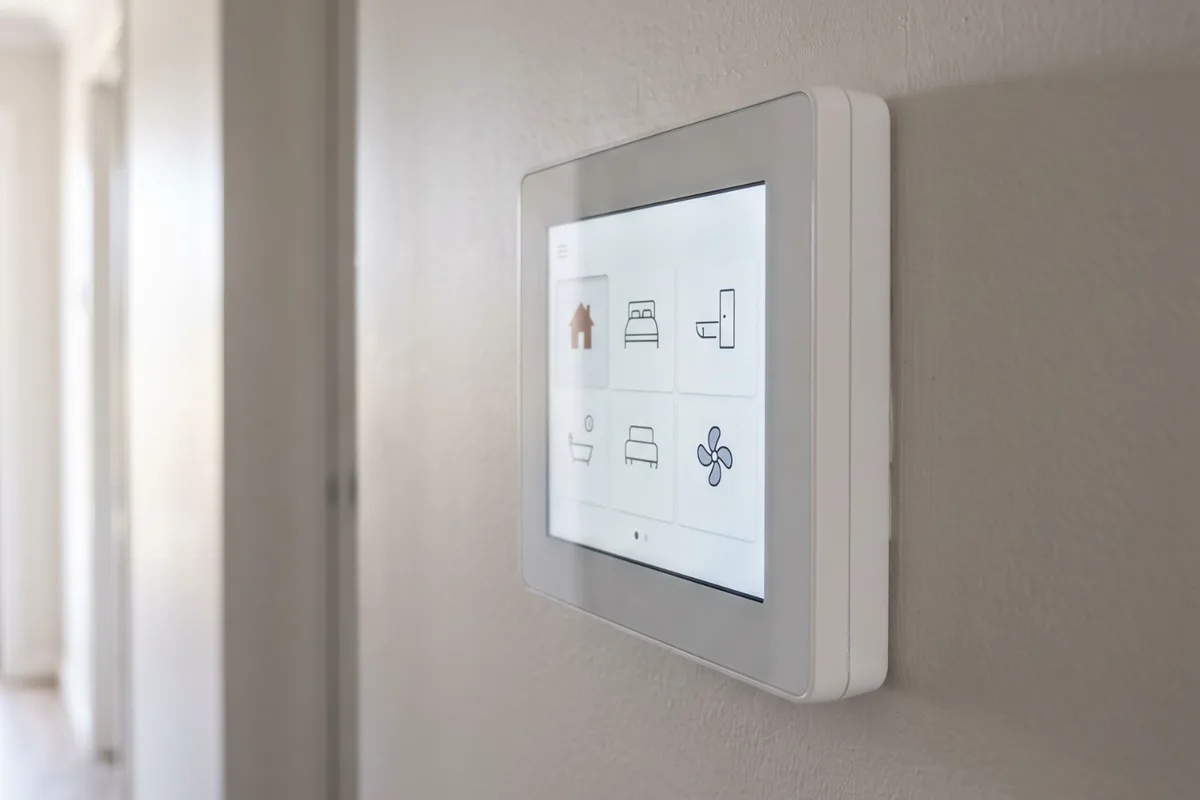
There are three main parts. The wall console is a touchscreen that shows each zone and lets you switch zones, set temperatures and build schedules. A zone module in the roof drives the motorised dampers in the ducts. The app connects through your home Wi-Fi, so you can run the system from your phone at home or away.
Polyaire lists optional wireless temperature sensors, support for up to 16 zones, and voice control through Google Assistant and Amazon Alexa. Most homes use far fewer zones than that.
Compatibility comes first
Polyaire says AirTouch 5 is compatible with leading reverse-cycle brands, but every installation starts with checking your unit. Its make, model and age decide how AirTouch 5 connects to it and what it can control.
We confirm compatibility from the unit labels and a look in the roof before quoting. If your unit is a poor match, we'll tell you and suggest the maker's own controller or another option.
Per-zone temperature, explained
With basic zoning, a damper is either open or shut, and one temperature reading decides when the whole system eases off. With zone temperature sensors, each zone reports its own temperature, and the system adjusts that zone's airflow to hold it near its set point.
The unit still makes one temperature of air for the whole house. Per-zone control shares that air out better; it doesn't turn one ducted system into several, and the zone plan still has to respect the unit's minimum airflow.
Upgrading from older zoning
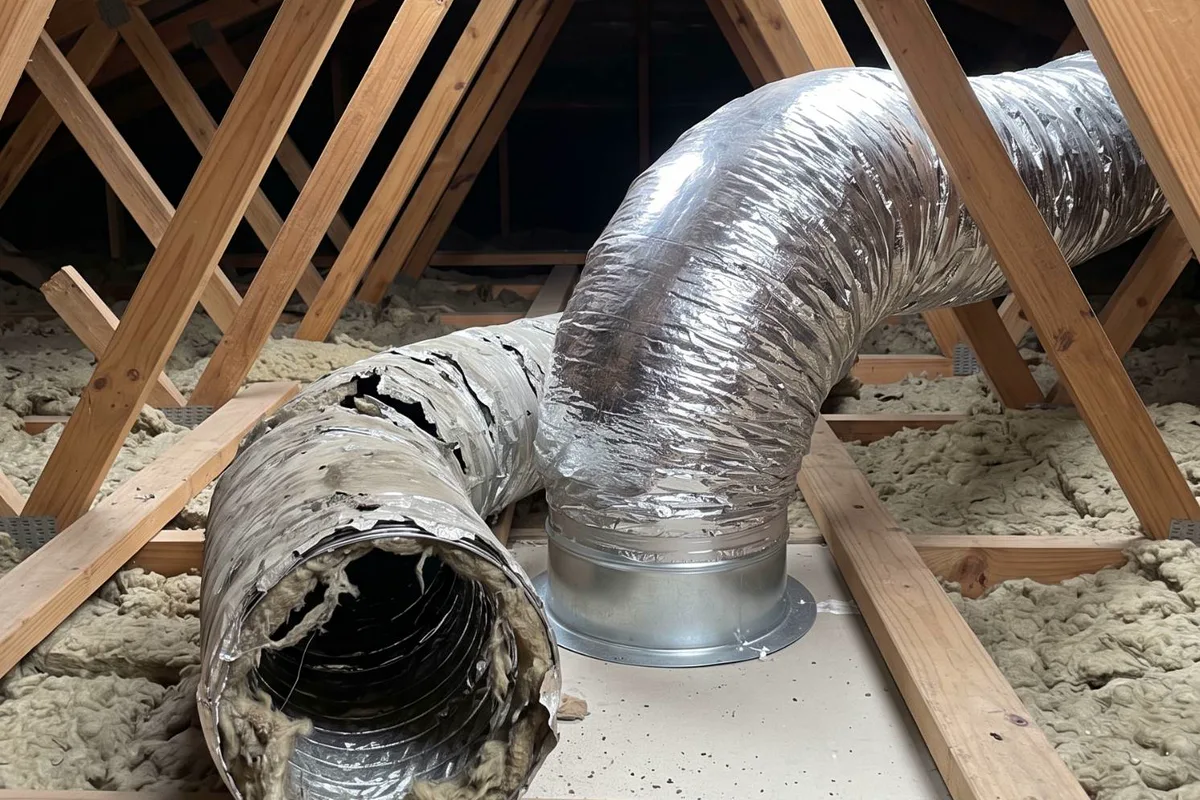
Many homes already have dampers in the roof from an earlier zoning system. Where those dampers and motors are in good condition and compatible, they can often stay, which keeps most of the work at the console and module.
Dampers that stick, motors that have burnt out in the roof heat, or cables crushed by other trades are replaced before the new controller goes in. A new console can't fix a damper that won't move.
Local rules and conditions
Victorian requirements and local conditions that shape this job, with the sources listed at the foot of the page.
Zoning is the Victorian advice
The Victorian Government recommends zones for ducted systems, so each area can be heated or cooled on its own. AirTouch 5 takes that a step further, letting each zone hold its own temperature rather than simply switching on or off.
Family homes in the growth suburbs
In 2021, 89.5% of Tarneit's occupied homes were separate houses, compared with 73.4% across Victoria. Detached homes with separate living and sleeping areas are where per-zone control earns its keep.
Hot afternoons and cold nights
Laverton averages 27 days a year at or above 30 °C, and its July nights average a minimum of 5.2 °C. Schedules that bring the living areas on before you get home in summer, and the bedrooms on before bed in winter, are where a smart zone system pays its way.
Useful reading
Guides to read before you decide, with checklists and questions to bring to the quote.
- Ducted zoning explainedZones, dampers, controllers and room sensors in plain terms, plus the airflow limits that decide whether zoning will fix your comfort problem.
- Split system or ducted: choose around the rooms you useCompare layouts, zoning, installation work and quote details before choosing equipment for your home.
- Air conditioner maintenance: what to watch between servicesKeep useful records, follow model-specific filter care and recognise symptoms that need a repair visit.
Common questions
Questions people ask about this
More in the Help centreFrom the blog
Sources for the rules and local facts on this page
6 sources, with the date each was checked
- 1.Department of Energy, Environment and Climate Action (energy.vic.gov.au), page last updated 14/04/25: We recommend providing 1.1 to 1.4kW of heating output for every 10m² of your home covered by a ducted system, depending on the individual characteristics of your home. ... We recommend zones for your ducted system, as… Accessed 30 September 2026.
- 2.Australian Bureau of Statistics, 2021 Census QuickStats: Separate house 13,914 89.5 1,755,423 73.4 Accessed 30 September 2026.
- 3.Bureau of Meteorology: Mean number of days ≥ 30 °C 6.9 6.0 4.5 0.7 0.0 0.0 0.0 0.0 0.1 0.9 2.8 5.1 27.0 82 1943 2026 Mean number of days ≥ 35 °C 3.6 2.4 0.9 0.0 0.0 0.0 0.0 0.0 0.0 0.1 0.5 1.9 9.4 Accessed 30 September 2026.
- 4.Energy Safe Victoria: Whenever a licensed electrician completes any electrical installation work, they must provide a Certificate of Electrical Safety (COES). Accessed 30 September 2026.
- 5.Energy Safe Victoria: 'Prescribed' certificates are for electrical installation work that requires inspection by a Licensed Electrical inspector. This includes (but is not limited to): Consumer mains cables, main switchboard, meter box and… Accessed 30 September 2026.
- 6.Energy Safe Victoria: Electrical work isn’t a DIY job, even for small jobs such as changing power points or light switches. Accessed 30 September 2026.