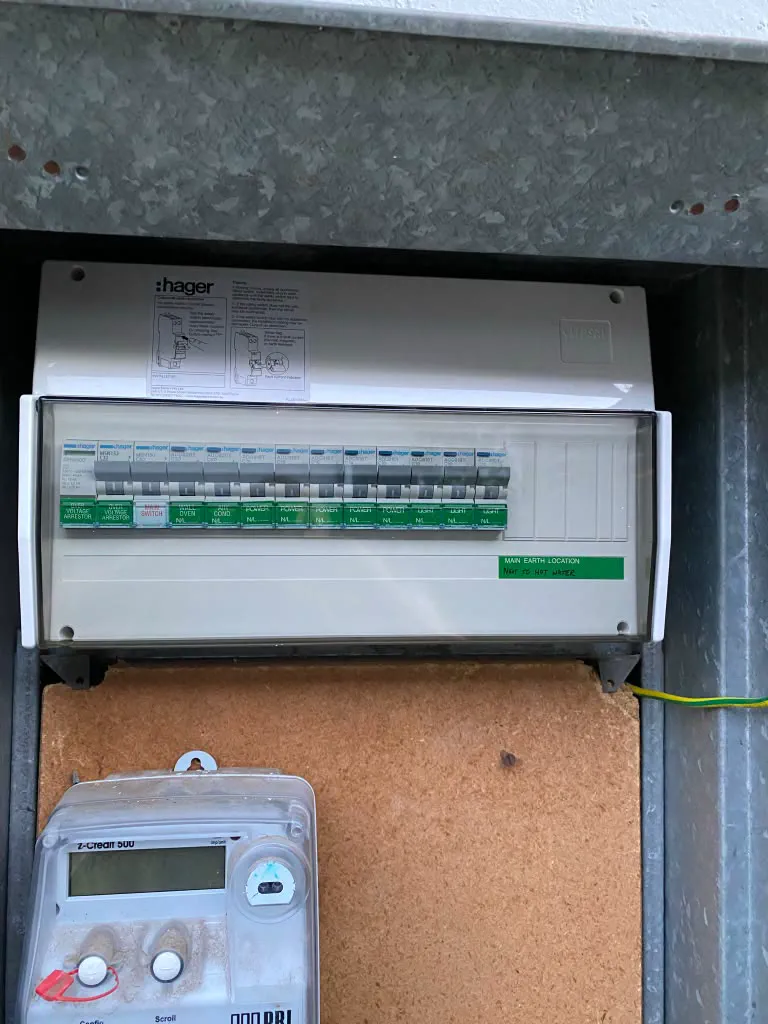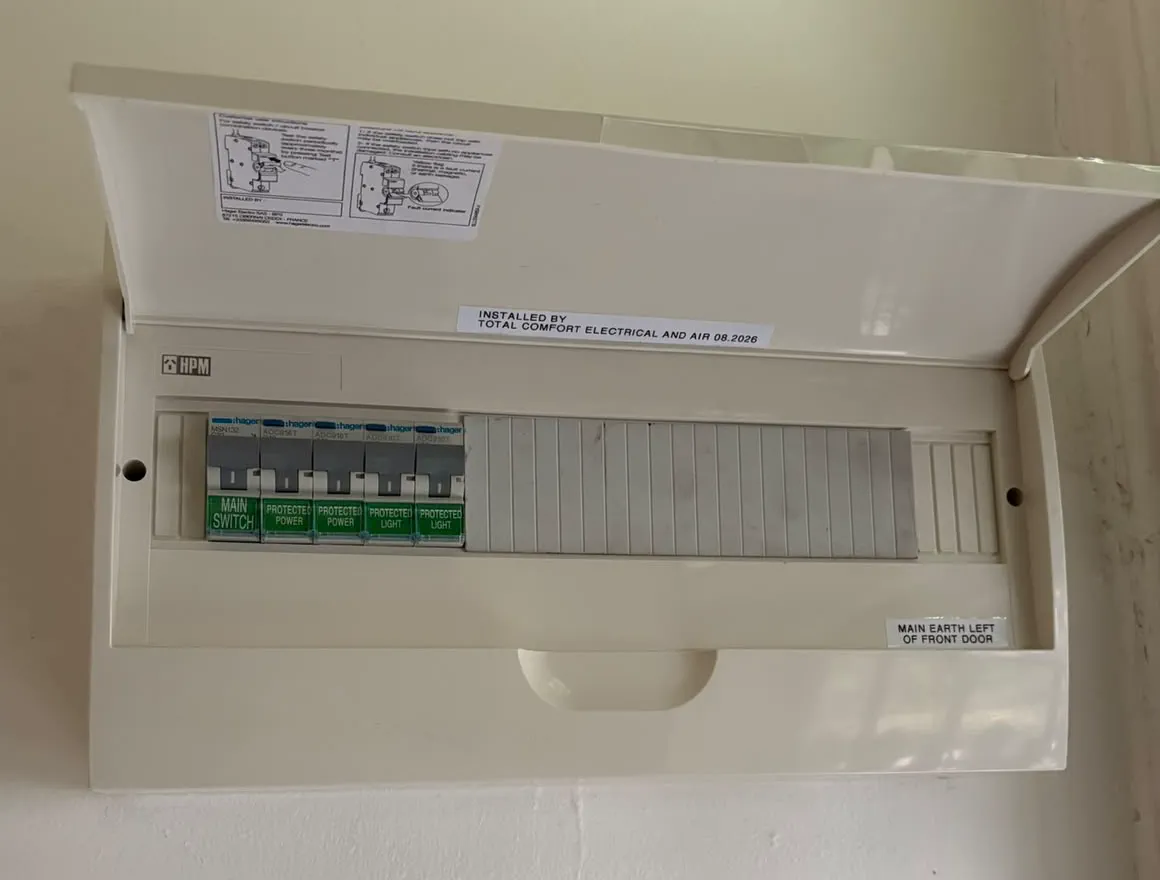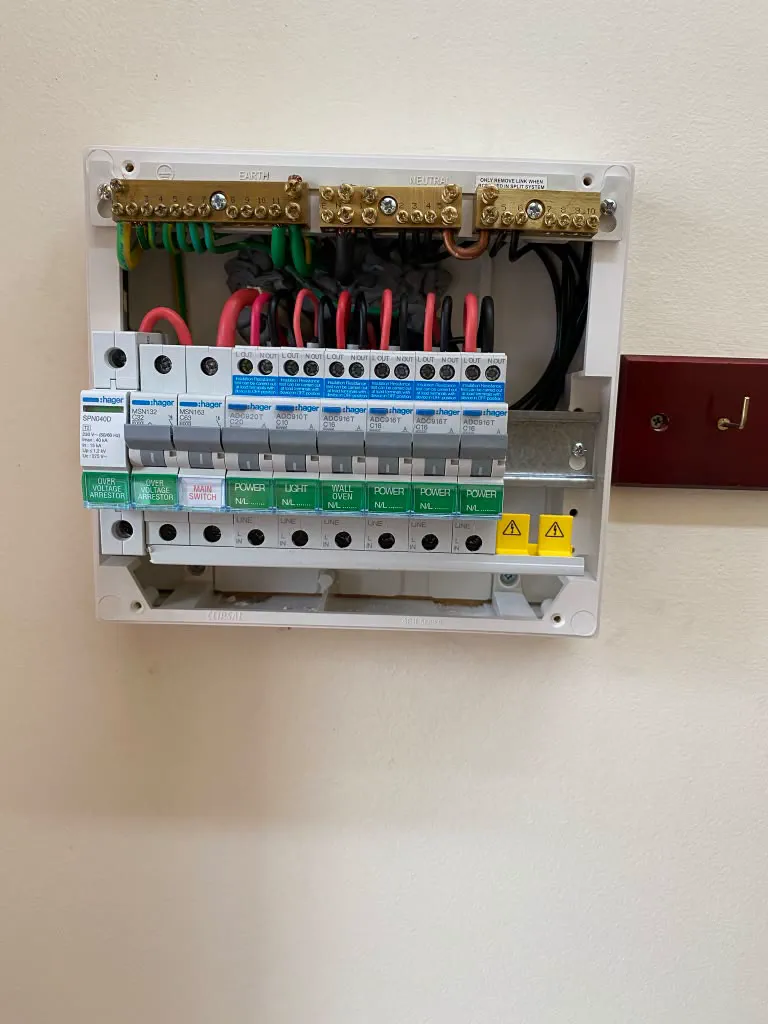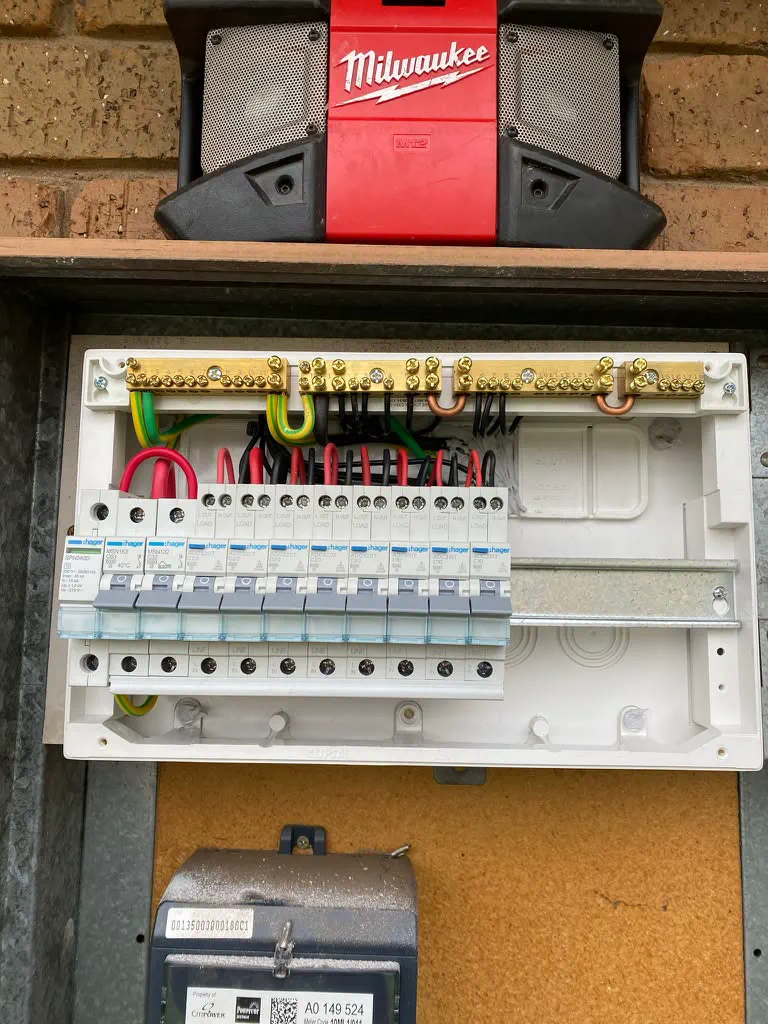
The consumer mains carries all your power from the street connection to the switchboard, and older homes often have a cable sized for far less than they now run. We work out what the house needs, coordinate the network side with your distributor, and have the work inspected before it goes live.
When to get it checked
An installer has flagged the supply
A quote for air conditioning, an EV charger or an induction cooktop came back with a note that the mains or supply needs upgrading first.
The main switch drops when the house is busy
Heating, cooking and the dryer together, or the air conditioning on a hot afternoon, and the main switch trips. That points to total demand, not one circuit.
Old or damaged cable
Brittle or cracked insulation where the mains enters the meter box, a tired overhead attachment point, or mains damaged during building work.
The board or meter box is moving
A renovation relocates the switchboard or meter box, so the mains has to be rerouted and usually replaced.
Why it happens
4 common causes
Homes connected for smaller loads
Many older homes were connected when the biggest loads were a stove and a hot water service. Ducted heating and cooling, induction and car charging all add up.
Going electric
Swapping gas heating, cooking or hot water for electric options moves that energy onto the wiring, and the mains carries all of it.
Extensions and studios
A second living area, a home office or a studio out the back adds circuits and sometimes a sub-board fed from the main board.
Age and weather
Overhead mains and attachment points face sun, wind and trees for decades, and underground cable can be damaged by digging.
What the job covers
What we usually do on this job. Your quote confirms it for your place.
- Current and planned loads assessed
- Main switch, mains, meter box and earth checked
- Single or three-phase options explained
- Distributor request lodged where needed
- New consumer mains run overhead or underground
- Main switch upgraded to suit
- Independent inspection arranged
- Certificate of Electrical Safety issued
Your options, explained
Heavier single-phase mains
Medium disruption- Best for
- Homes adding a few big loads that one phase can carry
- How it works
- The consumer mains is replaced with a larger cable and the main switch upgraded to suit, staying single phase.
- Worth knowing
- The distributor may need to approve a larger supply, so we check before quoting.
Upgrade to three-phase
High disruption- Best for
- Large ducted systems, more than one EV charger, workshops or big combined loads
- How it works
- Four-core mains, a three-phase main switch and board, and a three-phase connection and meter from the distributor.
- Worth knowing
- Covered in detail on our single phase to three phase page.
Replace like for like
Medium disruption- Best for
- Damaged or deteriorated mains where capacity is fine
- How it works
- The old cable is replaced on the same or a better route, sized for the existing supply.
- Worth knowing
- Often found during a switchboard or meter box upgrade.
Manage the load instead
Low disruption- Best for
- One large load, such as an EV charger, that tips the house over
- How it works
- A charger with load management, or a change to what runs together, can sometimes keep demand within the existing mains.
- Worth knowing
- Only works if the numbers stack up, and it can't control every appliance.
The people behind the work
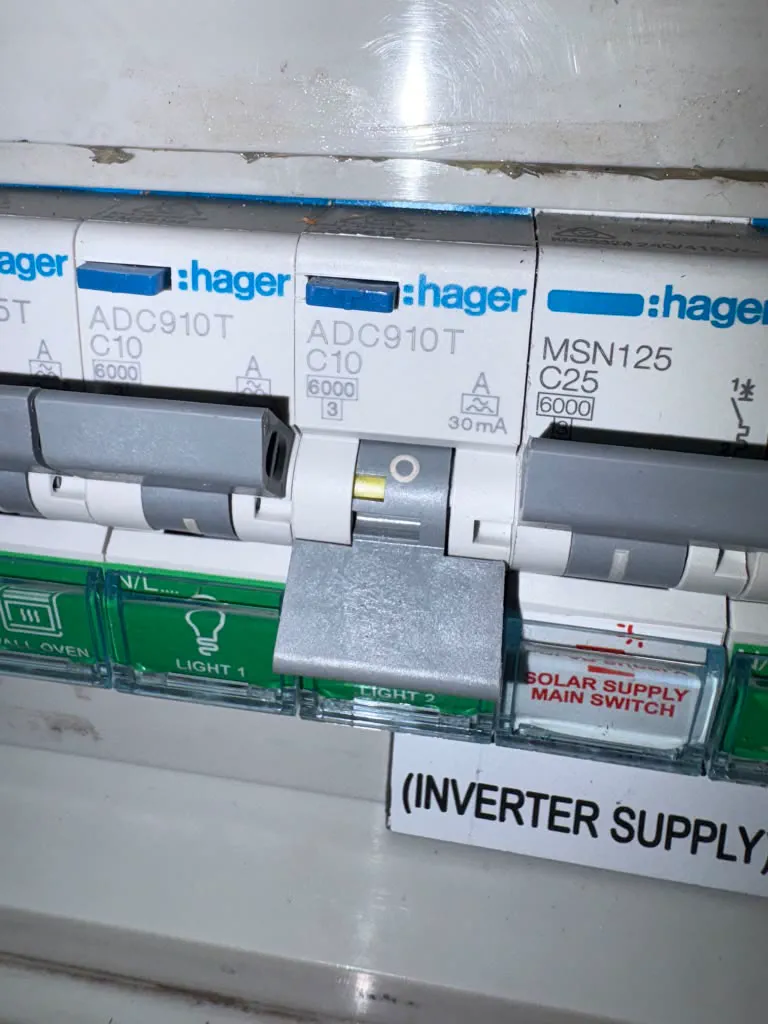
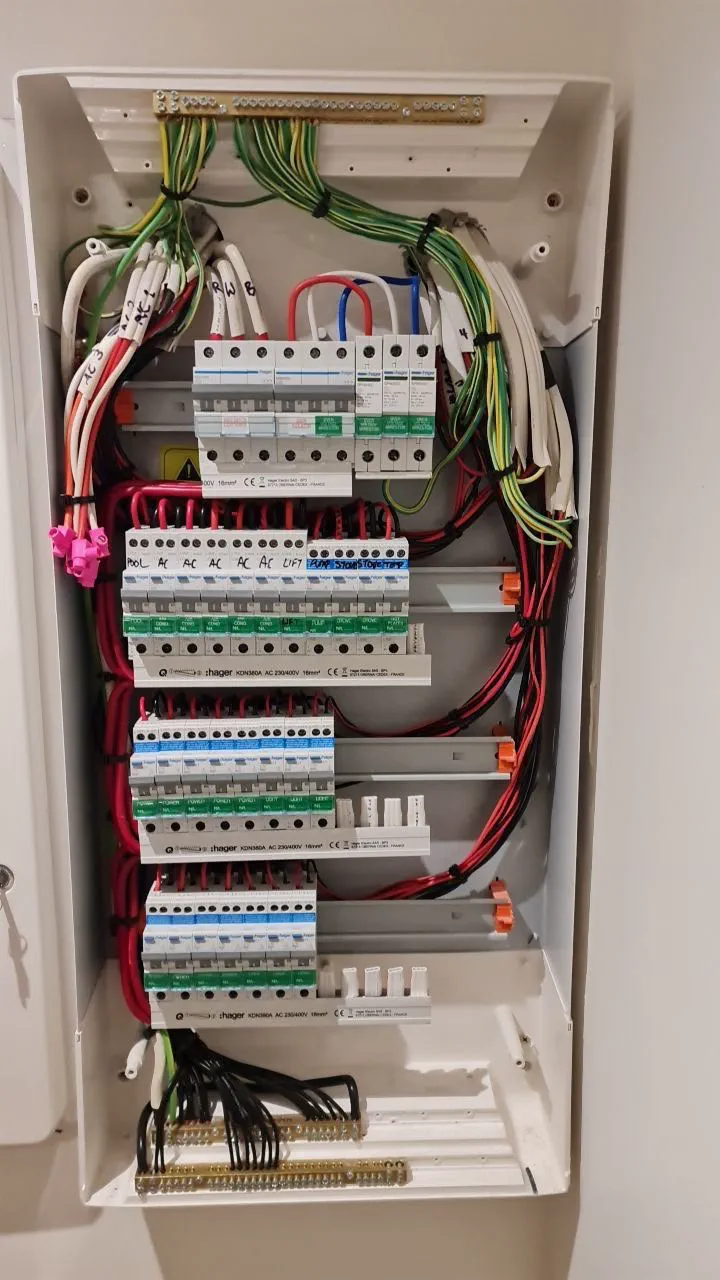
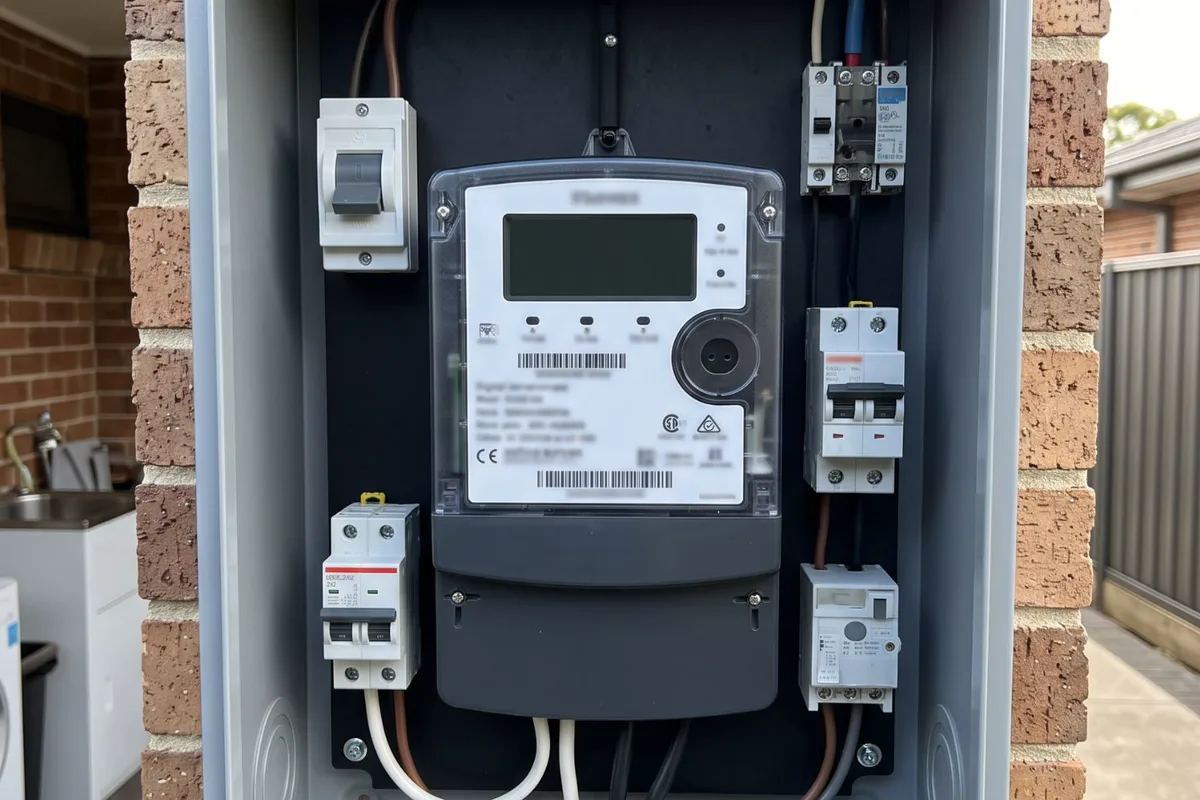
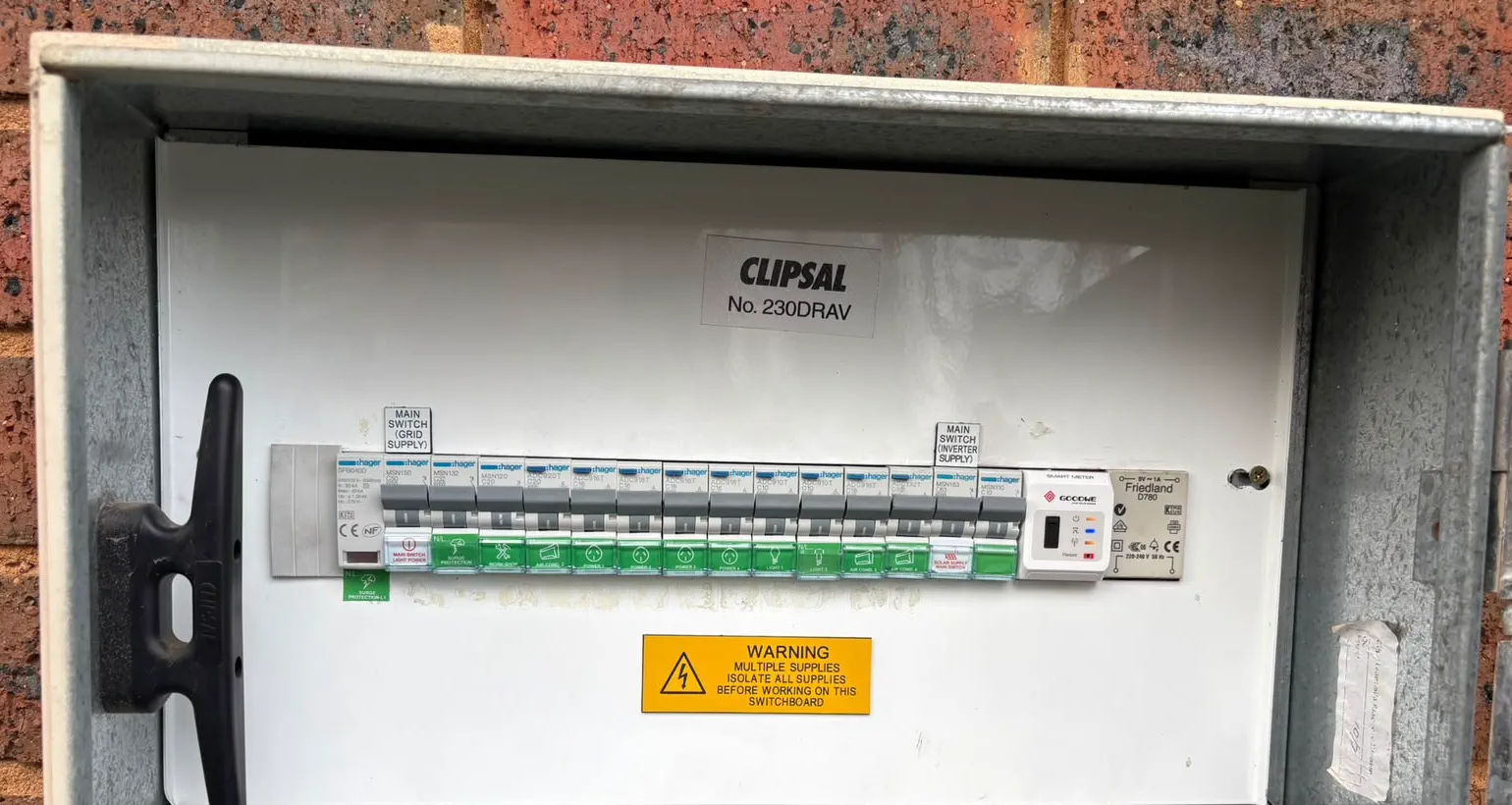
Our own photos from jobs like this one. Based in Altona Meadows, with 19 years in the industry.
Licensed electrical contractor (REC 38187)See more team photos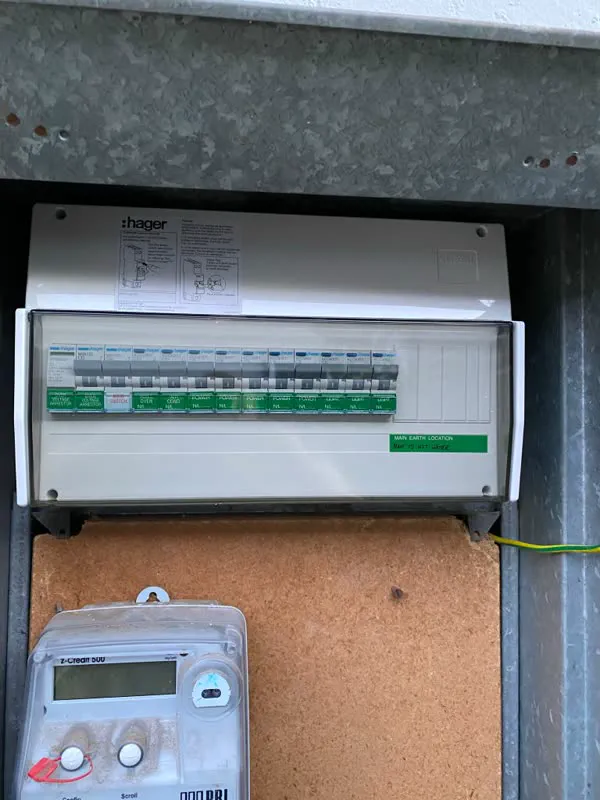
Worth knowing before you book
- The network side isn't ours
- Your distributor approves and books any change to the connection.
- It's prescribed work
- It's inspected before it can be switched on.
- Bigger isn't always needed
- Sometimes a board change or load management does the job.
What affects the price?
The right scope depends on your installation. These are the details we check so your quote is useful, with any additional work explained before it proceeds.
The route from the street
Overhead or underground, the distance from the pole or pit to the meter box, and what's in the way: driveways, garden beds or a concrete path.
Cable size and supply type
Heavier single-phase mains is a different job from four-core three-phase mains with a new board.
Meter box and switchboard
A meter box that's too small, cracked or built on an old panel, or a board that can't take a bigger main switch, adds to the scope.
Distributor requirements
The distributor decides what the connection can be, and sets its own requirements and any charges for the network side.
Trenching and making good
Underground mains may need trenching or boring, with paving or lawn put back afterwards.
How it runs
- 1
Assess the loads
What you run now and what's coming.
- 2
Plan and lodge
Options, price and the distributor request.
- 3
Install
New mains, main switch and any board work.
- 4
Inspect and connect
Inspected, network side done, certified.
Step by step, in more detail
5 steps
Work out what the house needs
We list what you run now and what you're adding, check the main switch, consumer mains, meter box and main earth, and look at the route from the street.
Confirm the right fix
Sometimes a board change or charger load management is enough. If the mains does need upgrading, we explain whether heavier single-phase mains or three-phase suits your loads, and quote the agreed scope.
Lodge with the distributor
Where the connection or meter has to change, we lodge the request with your distributor, Powercor, Jemena or CitiPower in the west, and plan the job around their approval and booking.
Install the new mains
New consumer mains run from the point of supply to the main switchboard, overhead or underground, with any meter box or board changes the job needs.
Inspect, connect and certify
A Licensed Electrical Inspector inspects the prescribed work, the distributor completes its side, and you receive the Certificate of Electrical Safety.
What is safe to do, and what to leave to us
Safe for you to do
- Keep trees and vines clear of the overhead line to your house. Owners are responsible for keeping trees on their property clear of their own service line.
- Find out where underground cables run before digging near the meter box or along the likely cable route.
- If the main switch trips, turn off the big appliances and reset it once. If it trips again, leave it off.
Leave these to us
- Trimming trees or working on ladders near the overhead line yourself.
- Opening the meter box panel or touching the mains cable.
- Fitting a bigger main switch or service fuse to stop it tripping.
- Unlicensed work anywhere near the mains. Energy Safe Victoria says unlicensed electrical work is illegal and potentially fatal.
When to get us in
- An installer says your supply or mains needs upgrading
- The main switch trips when several big appliances run together
- You're planning ducted air conditioning, an EV charger or induction cooking
- The mains cable or attachment point looks damaged or deteriorated
- A renovation moves the meter box or switchboard
More detail
Service line, consumer mains and switchboard
Three different things get called 'the mains'. The service line is the network's cable from the pole or pit to your property. The consumer mains is your cable, from the point of supply to the main switchboard. The switchboard is where the main switch and every circuit's protection sit.
A mains upgrade deals with the second, and often touches the other two. A heavier cable usually needs a bigger main switch, and sometimes a new board or meter box to suit. If the network's side has to change, that's work your distributor does or approves.
Working with your distributor
The network belongs to your distributor, and in Victoria the meter at a home is usually theirs too. When a job changes the connection, such as a larger supply or a move to three-phase, we lodge the request. The distributor decides what's available, may set conditions and books its own crew for its part.
We can't set the distributor's timetable, so we plan around it. The new mains and board are ready, the inspection is arranged, and the changeover happens when the network side is done. We keep you posted on where it's at.
Single phase or three phase
A heavier single-phase supply can carry a home adding a split system or two and an induction cooktop. Three-phase makes sense when the loads are large and run together: a big ducted reverse-cycle system, more than one EV charger, a workshop with three-phase machines, or an all-electric home with heavy heating, cooking and hot water loads in the same evening.
We work it out from your actual appliances and how you use them. If three-phase suits, our single phase to three phase page explains how that job runs.
Local rules and conditions
Victorian requirements and local conditions that shape this job, with the sources listed at the foot of the page.
Which network you're on
Powercor's Altona Terminal Station (West) supplies Laverton, Altona Meadows, Werribee, Hoppers Crossing, Point Cook and Wyndham Vale. Jemena's area reaches Williamstown and Footscray, and CitiPower supplies parts of Port Melbourne. Whichever distributor serves your street is the one that approves a change to your connection.
Your side of the point of supply
From the point of supply, where the network meets your installation, the property owner is responsible for maintaining and repairing the installation, including private lines on the property. Powercor lists an insecure or missing service hook and a defective fused mains box among customer installation defects.
Inspected before it's live
Consumer mains cables, the main switchboard, the meter box and the main earthing system are prescribed work for a Licensed Electrical Inspector. Prescribed work can't be switched on or left on until it's inspected, and Energy Safe Victoria says the inspection should be done within 8 business days of the work being finished.
Useful reading
Guides to read before you decide, with checklists and questions to bring to the quote.
- Planning a switchboard upgrade without surprisesWhat the electrician needs to check, how to compare the scope and what to organise before the power goes off.
- Home EV charging: a checklist before ordering a chargerMatch daily driving and parking to the supply, cable route and charger features that matter.
- Moving to induction: the checks to make before you buyA practical order for checking the supply, bench opening, gas disconnection and installation day.
- Certificates of Electrical Safety explainedWhat a Victorian COES records, how prescribed and non-prescribed work differ, when your copy should arrive and why it belongs in your house file.
Common questions
Questions people ask about this
- A power line to my house is down or sagging. What should I do?Stay well away and keep everyone else clear.
- Who trims trees near the power line to my house?It depends whose tree and whose line.
- Why do my lights flicker on windy days?If your lights flicker when the wind blows, the overhead line to your house is the first suspect.
- Is my meter box the same as my switchboard?Not quite, though they are often in the same place.
- Why does a Licensed Electrical Inspector need to check my new switchboard?Because replacing a main switchboard is prescribed work in Victoria.
From the blog
Sources for the rules and local facts on this page
9 sources, with the date each was checked
- 1.Powercor Australia, Project Assessment Draft Report: Altona Terminal Station (West) (June 2025): It supplies part of Melbourne’s western growth corridor. This includes the areas of Laverton, Laverton North, Altona Meadows, Werribee, Wyndham Vale, Mount Cottrell, Eynesbury, Tarneit, Hoppers Crossing and Point Cook… Accessed 30 September 2026.
- 2.Jemena Electricity Networks (Vic) Ltd, 2025 Distribution Annual Planning Report (2 December 2025): Figure 1-1 shows the JEN supply area, which ranges from Gisborne South, Clarkefield and Mickleham in the north to Williamstown and Footscray in the south, and from Hillside, Sydenham and Brooklyn in the west to… Accessed 30 September 2026.
- 3.CitiPower, Distribution Annual Planning Report December 2024 (hosted by the Australian Energy Regulator): The zone substation in Fisherman’s Bend (E) is served by two sub-transmission lines from Fisherman Bend Terminal station (FBTS). The zone substation supplies areas of Fisherman’s Bend and Port Melbourne. Accessed 30 September 2026.
- 4.Energy Safe Victoria: The point of supply is the changeover point from the electricity distribution network to the electrical installation, where the property owner becomes responsible for the maintenance and repair of the electrical… Accessed 30 September 2026.
- 5.CitiPower & Powercor: Customer installation defects fall under customer responsibility and require prompt rectifications to ensure either the safety of the electrical installation, unhindered access to our assets by our employees or that our… Accessed 30 September 2026.
- 6.Energy Safe Victoria: 'Prescribed' certificates are for electrical installation work that requires inspection by a Licensed Electrical inspector. This includes (but is not limited to): Consumer mains cables, main switchboard, meter box and… Accessed 30 September 2026.
- 7.Energy Safe Victoria: A prescribed certificate is for all major electrical wiring work in all types of premises. In a domestic property this covers all work done on wiring and equipment where the electricity cannot be switched off. This… Accessed 30 September 2026.
- 8.Victorian Legislation (legislation.vic.gov.au) - Electricity Safety Act 1998, authorised version 089 (effective 8 Sep 2026): (a) in the case of prescribed electrical installation work, is 4 business days after the certificate of inspection of that work is given under section 45(3); and Accessed 30 September 2026.
- 9.Energy Safe Victoria: Gas and electricity are inherently dangerous and it’s illegal and potentially fatal for unlicensed and unqualified people to undertake any electrical or gasfitting work. Homeowners and consumers must always use… Accessed 30 September 2026.