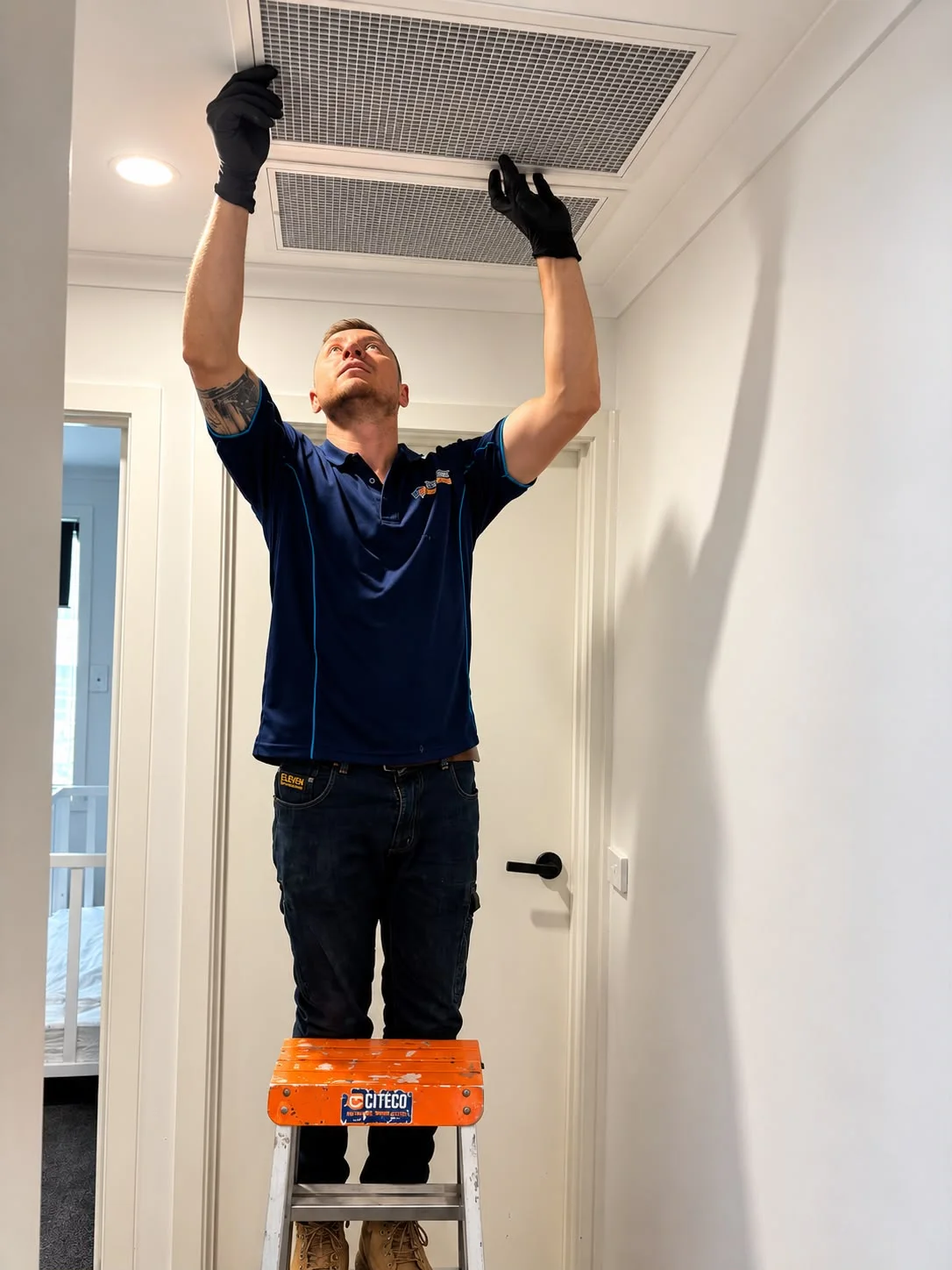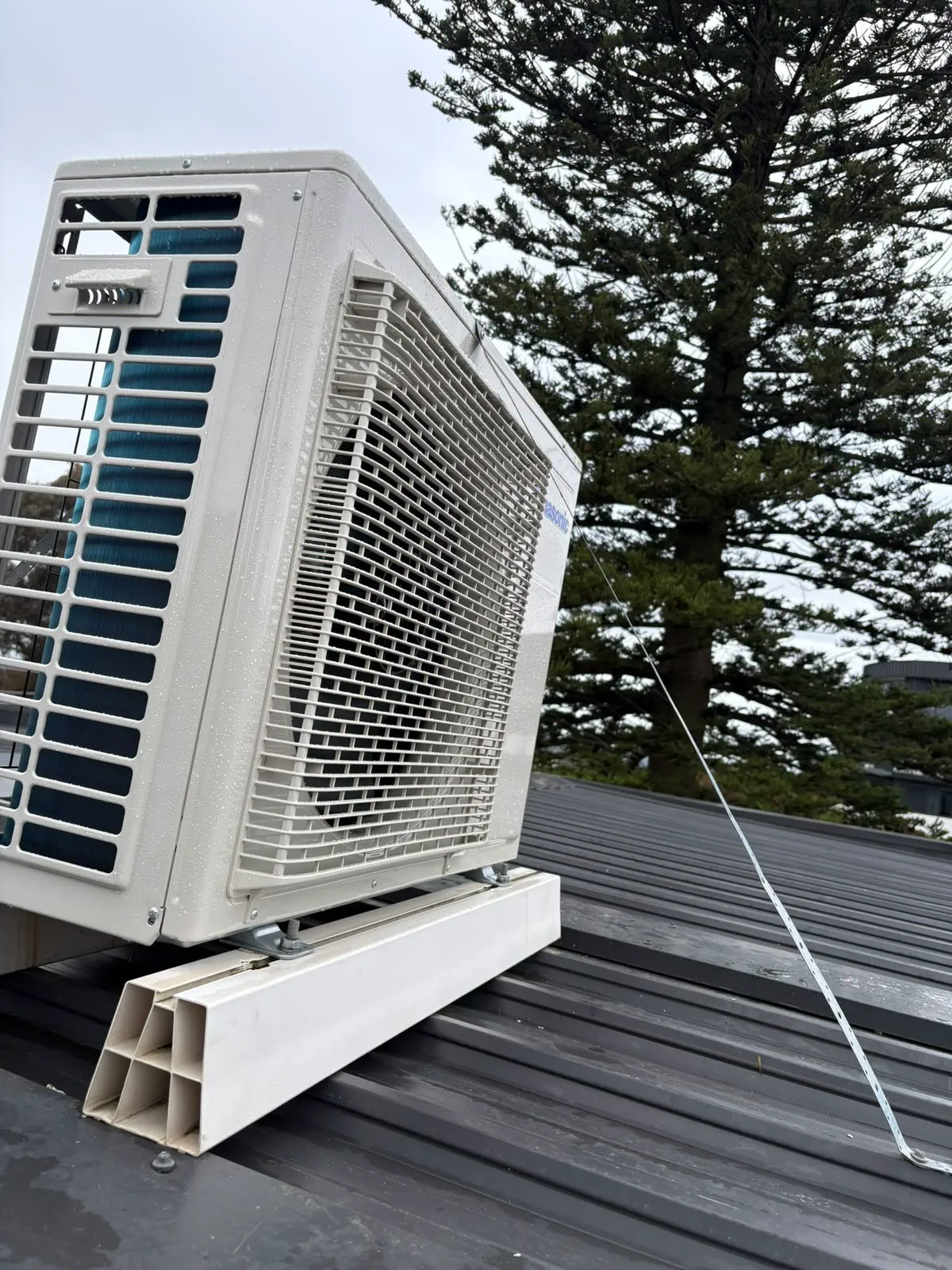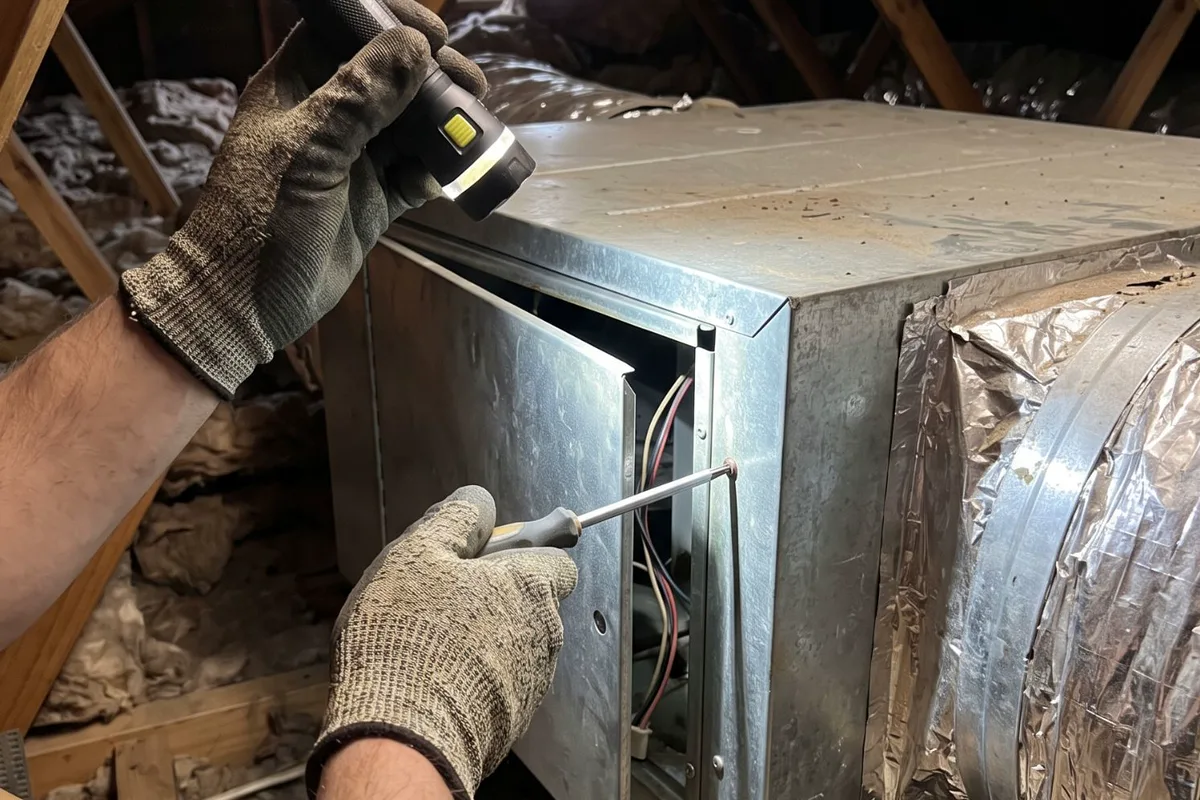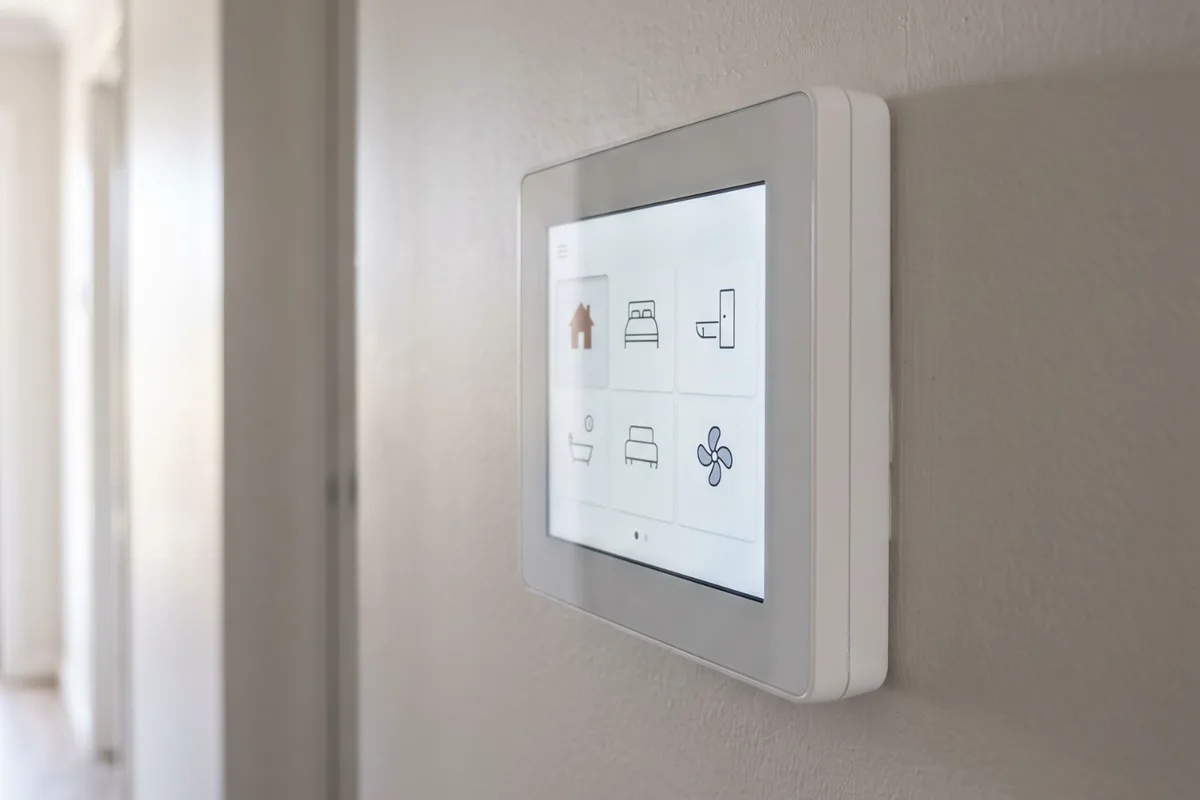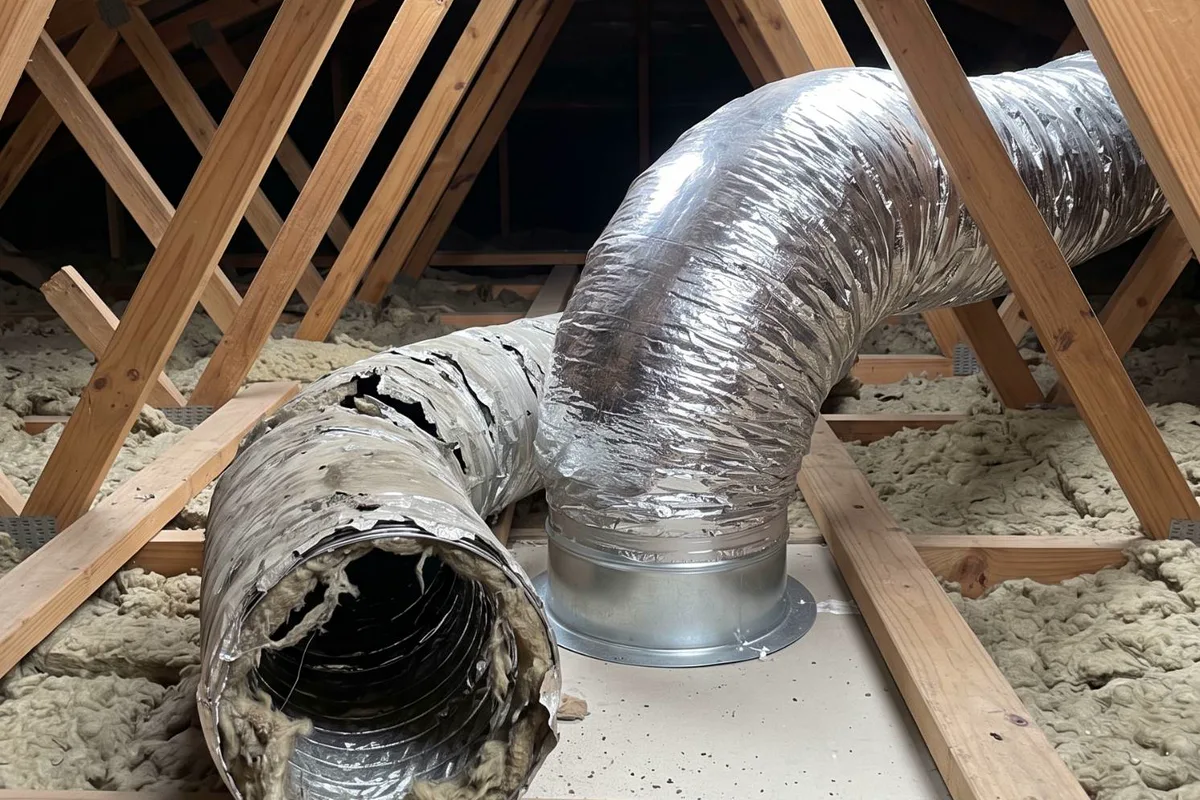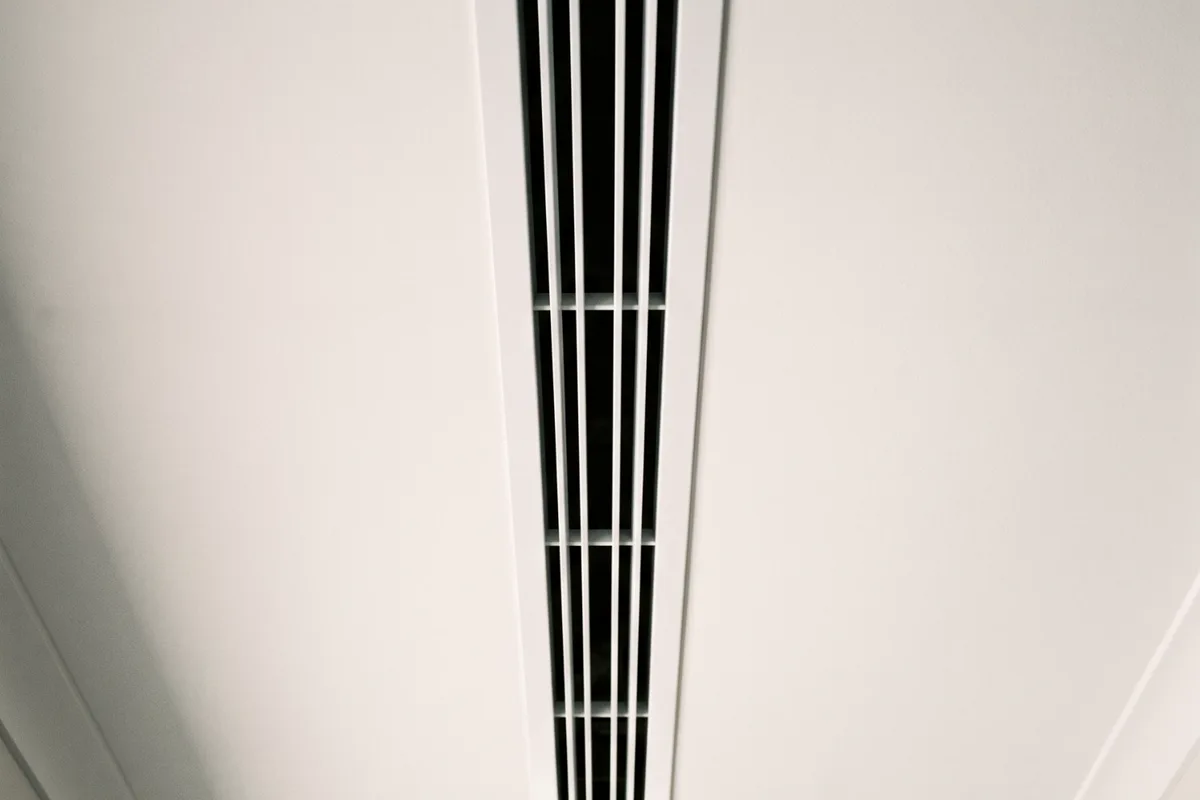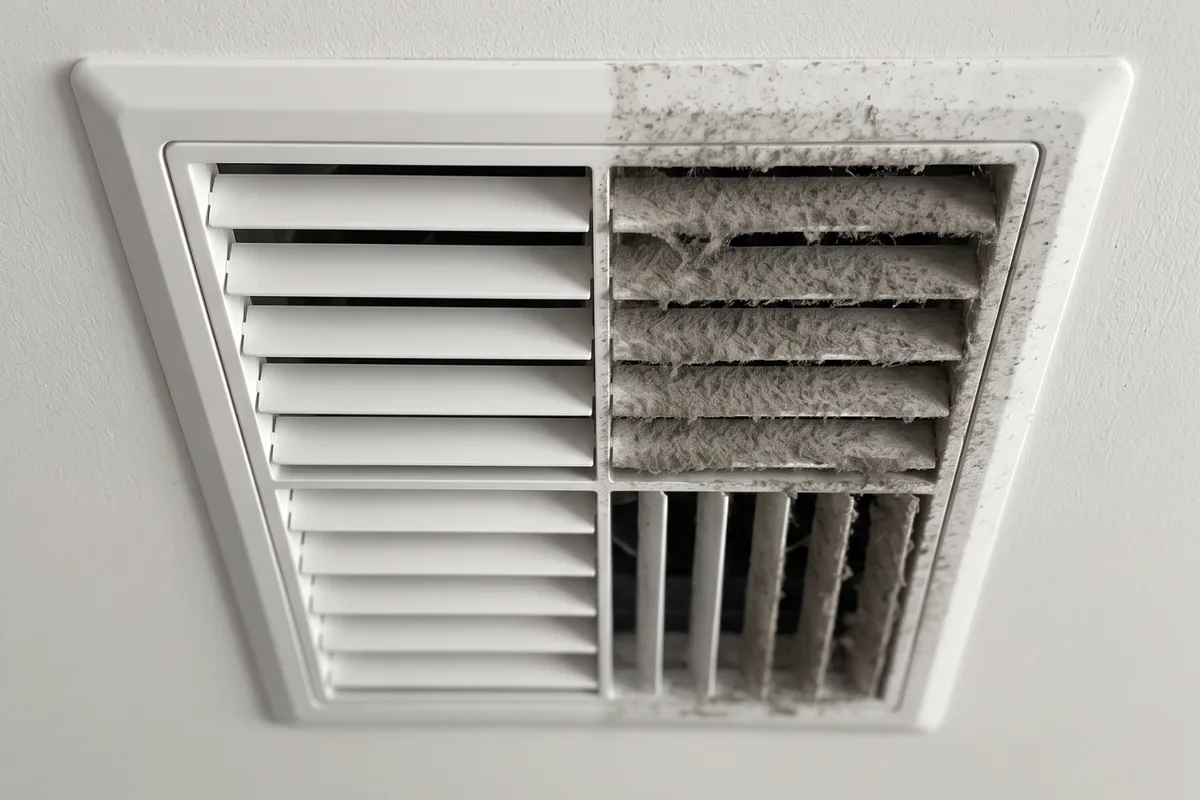
Dust builds up in a ducted system wherever the air passes: the filter, the outlets, the coil and the drain tray. Our team cleans each of them and checks the return grille seals properly. If anything needs more than a clean, we tell you before doing it.
When to get it checked
Grey streaks around the ceiling outlets
Dark smudges on the plaster around outlets are dust carried in the airflow. If the outlets are dirty, the filter and coil usually are too.
A musty smell when it starts
A damp, stale smell in the first few minutes of cooling often comes from a slimy drain tray or a coil that stays wet between runs.
Dust settles soon after you clean
If dust builds up quickly in rooms with outlets, the filter may be loaded, gapped or missing, letting dust pass straight through.
Weak air and long run times
A clogged filter starves the whole system of air. Rooms take longer to reach temperature and the unit runs longer to get them there.
You've moved in or renovated
Plaster dust from building work, or years of use by a previous owner, ends up in the filter and on the outlets. A clean is a good reset.
Why it happens
5 common causes
The filter does most of the work
Nearly all the air the system moves passes through the filter behind the return grille. It catches dust, lint and pet hair until it clogs, and dirty filters significantly cut airflow and efficiency.
What gets past settles further in
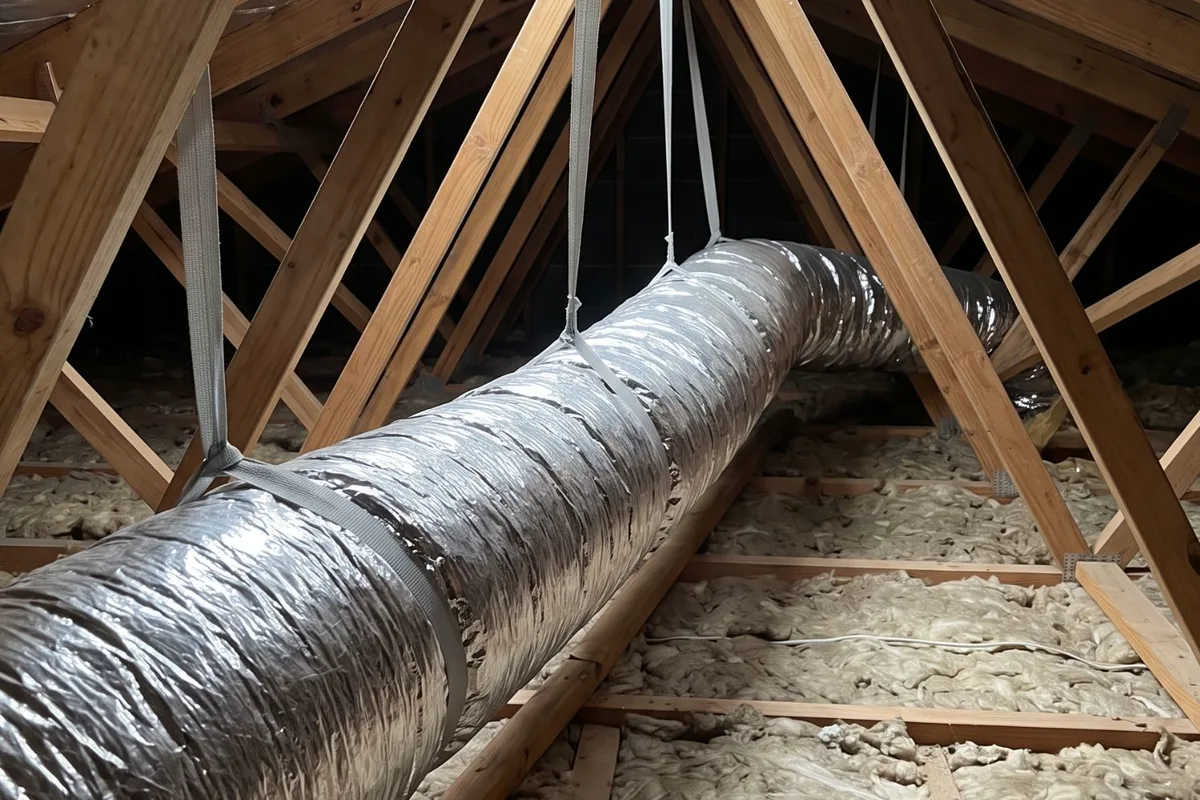
Fine dust that slips past a worn or poorly fitted filter coats the indoor coil and fan blades in the roof, where it holds moisture and builds a film.
Water that sits
In cooling mode the coil makes water that drains through a tray. Dust and slime in the tray slow it down, and still water starts to smell.
Outlets catch it on the way out
Air leaving an outlet drops dust on the blades and the ceiling around them, more so in homes near busy roads or building sites.
Gaps around the return
A return grille that doesn't seal, or a torn return duct, can draw dusty roof-space air into the system without it passing through the filter.
What the job covers
What we usually do on this job. Your quote confirms it for your place.
- Return-air filter cleaned or media replaced as quoted
- Return grille washed and its seal checked
- Ceiling outlets removed or cleaned in place
- Indoor coil face and fan cleaned where reachable
- Drain tray cleaned and drain line flushed
- Floors and furniture covered under each outlet
- Heating and cooling run after the clean
- Findings noted, any extra work priced first
Your options, explained
Filter and return grille clean
Low disruption- Best for
- Systems serviced recently that just need the filter and return refreshed
- How it works
- The return-air filter and grille are cleaned, or the filter media replaced, and the grille's seal checked.
- Worth knowing
- Many owners can clean a tool-free filter between visits. We'll show you how yours comes out.
Full ducted clean
Medium disruption- Best for
- Musty smells, dirty outlets or a system that hasn't been cleaned in years
- How it works
- Filter, return grille, every ceiling outlet, the accessible coil face and fan, and the drain tray and line are cleaned.
- Worth knowing
- Inside the house you'll see us on a ladder at each outlet. The rest happens in the roof.
Clean and service together
Medium disruption- Best for
- Systems that are also due for their regular service
- How it works
- The full clean plus a service of both units, the controller, zones and electrical connections, on one visit.
- Worth knowing
- Saves a second visit and a second trip up through the manhole.
The people behind the work
Our own photos from jobs like this one. Based in Altona Meadows, with 19 years in the industry.
Licensed electrical contractor (REC 38187)See more team photos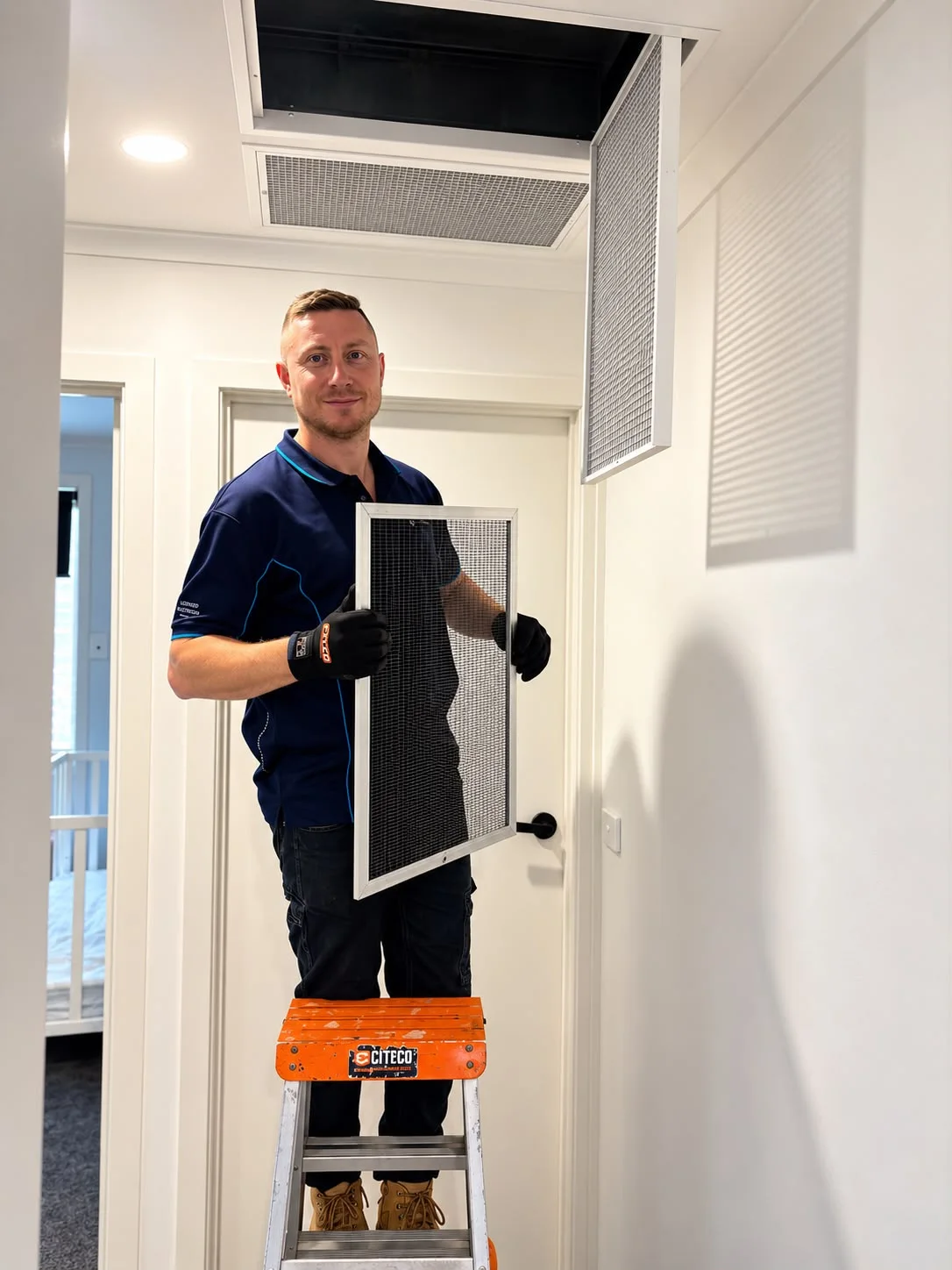
Worth knowing before you book
- Clear under the outlets
- We need ladder space in each room.
- Not the same as a service
- Book both together to save a second visit.
- Inside the ducts is separate
- We'll tell you if your ducts need more.
What affects the price?
The right scope depends on your installation. These are the details we check so your quote is useful, with any additional work explained before it proceeds.
Number of outlets and returns
Each outlet takes time to remove or clean in place. Larger homes and double storeys often have two or more returns, each with its own filter.
Time since the last clean
A coil and drain tray left alone for years take more work than ones cleaned regularly.
Filter media
If the filter is torn, flattened or won't come clean, new media adds to the job.
Roof access
A tight manhole, or a unit behind trusses in a low roof, takes longer to reach safely.
Ceiling heights and outlet types
Raked or high ceilings need taller ladders or a platform, and some outlet styles are fixed and have to be cleaned in place.
How it runs
- 1
Run and check
Smell, airflow and controller checked first.
- 2
Filters and outlets
Return, filter and every outlet cleaned.
- 3
Roof unit
Coil face, fan and drain tray where safe.
- 4
Test and report
Run in both modes, findings explained.
Step by step, in more detail
5 steps
Run it and look
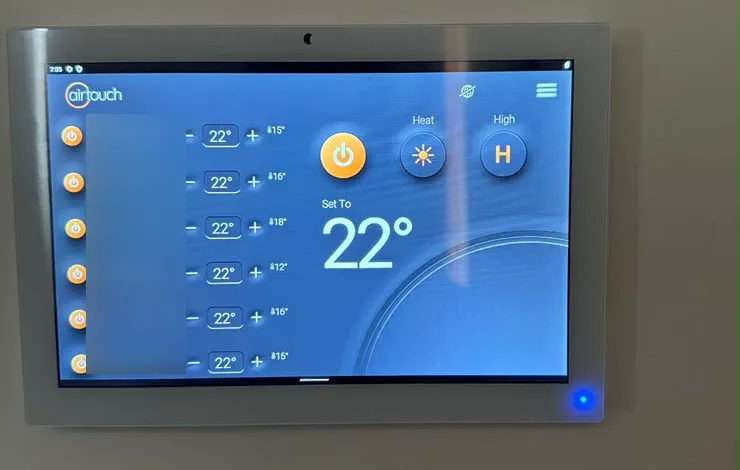
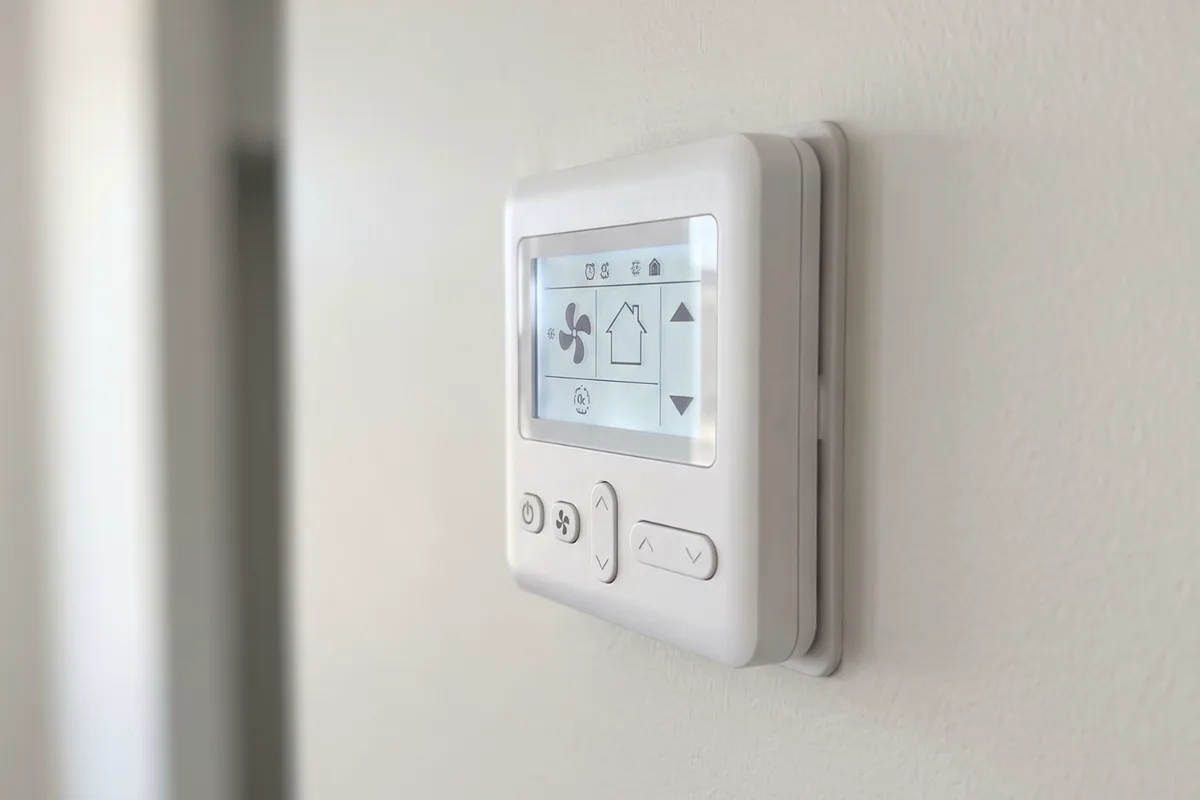
We run the system, note the smell and the airflow, and check the controller for filter reminders or fault codes.
Filters and return grilles
The return grille and filter come out. We clean the filter or replace the media as quoted, wash the grille and check it seals properly against the ceiling.
Ceiling outlets
Outlets that unclip are taken down and washed; fixed ones are cleaned in place. Floors and furniture below are covered while we work.
The unit in the roof
Where access is safe, we clean the accessible face of the indoor coil and the fan, clean the drain tray and flush the drain line. If part of the unit can't be reached safely, we tell you.
Check and report
We run heating and cooling, compare airflow at the outlets and note anything that needs more than a clean, such as a torn return duct or a worn filter frame.
What is safe to do, and what to leave to us
Safe for you to do
- Clean the return-air filter yourself if it comes out without tools and your manual explains how, with the system off and from a stable step.
- Vacuum the face of each outlet with a soft brush attachment between cleans.
- Keep the return grille clear of furniture, curtains and shelving.
- Turn the system off before anyone works near the outlets or return grille.
Leave these to us
- Spraying cleaners or fragrance into the return grille or outlets. Liquid and chemicals can end up on the coil and wiring.
- Climbing into the roof space to clean the unit or ducts yourself.
- Running the system without a filter in place, which sends dust straight onto the coil.
- Opening the indoor unit or touching its wiring. Electrical work isn't a DIY job, even for small jobs.
When to get us in
- Grey marks have appeared on the ceiling around outlets
- A musty smell comes from the vents in cooling mode
- The filter is torn, flattened or won't come clean
- Dust settles quickly in rooms with outlets
- You've moved in or renovated and don't know when it was last cleaned
More detail
Cleaning and servicing are different jobs
A clean deals with dust, slime and smells: filters, grilles, outlets, the coil face and the drain tray. A service checks how the system runs: both units, the controller, zones, the electrical connections and airflow room by room.
The two overlap at the filter and drain, which is why many people book them together. If you book a clean and we notice something that needs a service or a repair, we'll tell you and price it before doing anything.
What about the inside of the ducts?
Most ducted systems use flexible duct with a thin plastic liner. Cleaning the inside of every run is a separate, specialist job, and on old or brittle duct it can do more harm than good. If dust is coming from a torn return duct, replacing that length fixes the cause.
We check the return and the duct connections at the unit while we're in the roof, and tell you plainly whether your ducts need anything more.
How often to clean
The Victorian Government suggests cleaning reverse-cycle dust filters about twice a year, more often with heavy use, and servicing at the interval the manufacturer recommends. For most homes that means a filter clean before summer and again before winter.
Outlets, the coil and the drain tray need attention less often, but homes with pets, nearby building work or long running hours benefit from a full clean more regularly.
Local rules and conditions
Victorian requirements and local conditions that shape this job, with the sources listed at the foot of the page.
Clean before the season, not after
Victoria's health department advises checking your air conditioner before extreme heat and keeping filters and vents clean. Hobsons Bay, Wyndham, Brimbank, Maribyrnong, Melton and Port Phillip all sit in the Central district for heat health warnings, so a spring clean suits the whole west.
Hot northerly days
The Bureau of Meteorology says warm northerly winds often arrive first as weather systems cross Melbourne, before a cold front changes conditions. Those hot northerly afternoons are when you want every bit of airflow, and a loaded filter is the first thing that holds it back.
Homes in growing estates
Wyndham's residential growth areas include Truganina, Tarneit, Wyndham Vale and Manor Lakes. Homes with building still going on around them pick up construction dust, and much of it ends up in the return-air filter, so check it more often than the usual twice a year.
Useful reading
Guides to read before you decide, with checklists and questions to bring to the quote.
- Air conditioner maintenance: what to watch between servicesKeep useful records, follow model-specific filter care and recognise symptoms that need a repair visit.
- Getting your air conditioning ready for a heatwaveA spring test run, clean filters, a clear outdoor unit and a backup plan: how to find a tired air conditioner before the first hot northerly does.
- Ducted zoning explainedZones, dampers, controllers and room sensors in plain terms, plus the airflow limits that decide whether zoning will fix your comfort problem.
- Air conditioner filters, dust and allergiesHow filters, return grilles and coils affect dust, smells and hay fever season at home, which filter upgrades help, and where your own cleaning should stop.
Common questions
Questions people ask about this
- Why is my air conditioner blowing out black specks?Black specks are almost always mould and grime from inside the unit.
- Does my gas ducted heater have a filter I can clean?Many do.
From the blog
Sources for the rules and local facts on this page
9 sources, with the date each was checked
- 1.Better Health Channel (Department of Health, Victoria): Check that your fan and air-conditioner works well. Have your air-conditioner serviced if needed. Ensure the filters, pads and air vents are clean. Accessed 30 September 2026.
- 2.Department of Health, Victoria: In response to a new Bureau severe or extreme heatwave warning, we will issue a heat health warning. ... The following list shows all the local government areas in Victoria and what forecast district they belong to… Accessed 30 September 2026.
- 3.Bureau of Meteorology (article issued 3 August 2026): To the north lies Australia's hot, dry interior, while to the south stretches the cold Southern Ocean. ... Warm northerly winds arrive first, bringing higher temperatures and clear skies. Then, as a cold front moves in… Accessed 30 September 2026.
- 4.Energy Rating (GEMS Regulator / DCCEEW): Dirty filters significantly reduce the amount of airflow and the energy efficiency of the unit. It can also impact the effectiveness of its heating. Cleaning clogged filters, or replacing a worn one, can lower the… Accessed 30 September 2026.
- 5.Victorian Electoral Commission (2023 electoral structure review fact sheet): New housing developments are planned in residential growth areas including Truganina, Tarneit, Wyndham Vale and Manor Lakes, as well as near activity centres and public transport. Accessed 30 September 2026.
- 6.Solar Victoria (updated 20 November 2025): Check the manufacturer’s instructions or manual and have the air conditioner serviced regularly at the recommended frequency to ensure it continues to operate efficiently. Cleaning the filters regularly helps the system… Accessed 30 September 2026.
- 7.Energy Safe Victoria: It is recommended that ducted heaters are serviced every two years and during this service a CO test should be conducted at the heating vent outlets in all rooms. Accessed 30 September 2026.
- 8.Energy Safe Victoria: Type A appliances include domestic and light commercial type appliances such cookers, space heaters, central heaters, water heaters, catering equipment and leisure appliances. So, when looking to service and repair your… Accessed 30 September 2026.
- 9.Energy Safe Victoria: Electrical work isn’t a DIY job, even for small jobs such as changing power points or light switches. Accessed 30 September 2026.