
Why does my heating dry out the air, and what helps?
- Cold winter air holds little moisture. Warming it lowers its relative humidity, which is what your skin, eyes and throat notice.
- Gas ducted and reverse-cycle heating both warm air without adding or removing water, so neither is the drying culprit on its own.
- Moving air feels drier. Aim outlets and louvres away from where you sit and sleep, and heat to a lower, steadier temperature.
- Dusty filters and outlets can irritate eyes and throats in a way that feels like dryness. Clean filters help more than most people expect.
- A humidifier can help in a bedroom, but keep it clean and don't overdo it, or you swap dry air for condensation and mould.
Why heated air feels dry
Relative humidity describes how much water the air holds compared with the most it could hold at that temperature. Cold air can't hold much water, so outside air on a July night carries very little even when it feels damp. When that air gets inside and is warmed to 20 °C, the amount of water hasn't changed but its capacity has grown, so the relative humidity falls.
That drop is what people feel as dry air: tight skin, a scratchy throat, static shocks from the couch and dry eyes after a night with the heating on. It's strongest in homes that let in a lot of cold outside air through draughts, open fireplaces and gaps around old windows and doors.
So the heater isn't removing moisture; it's warming air that was already dry. What matters is how much cold air gets in, how fast warm air moves across you, and whether something else is irritating your eyes and throat.
Gas ducted, reverse-cycle and the myths
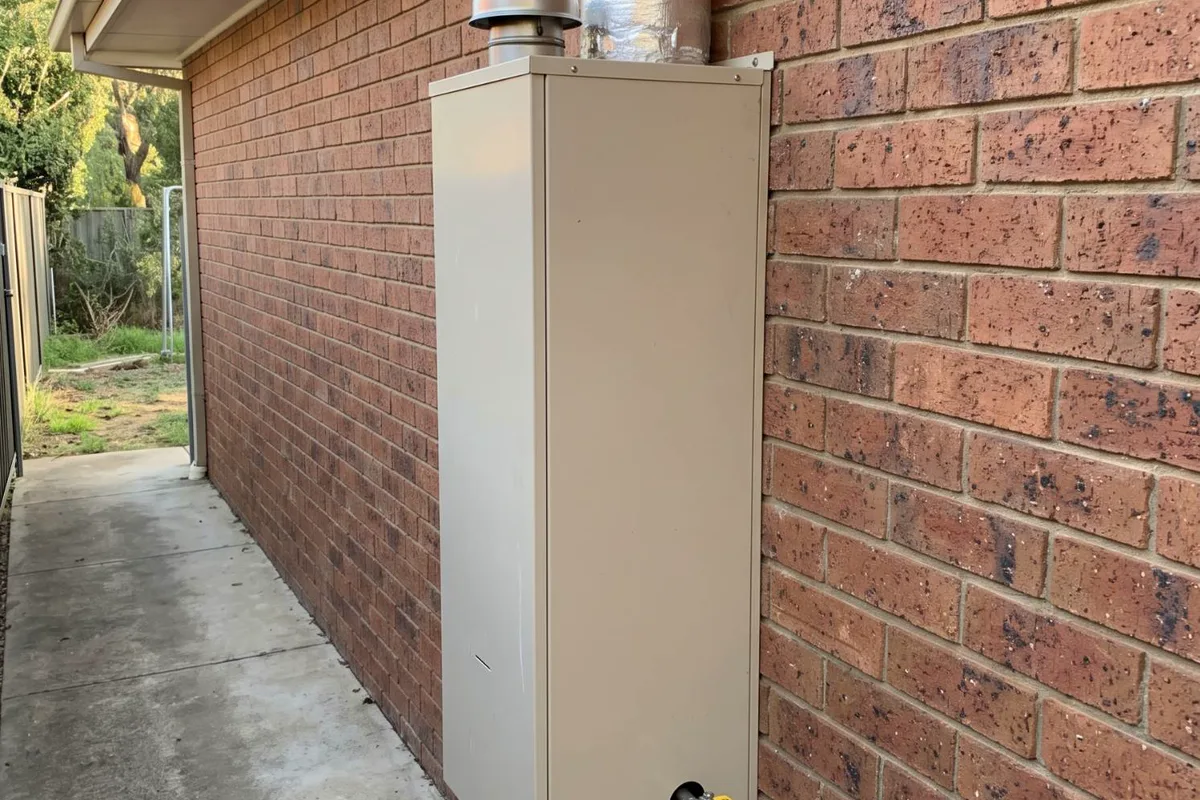
A common belief is that one type of heating dries the air more than another. Gas ducted heating burns gas in a sealed heat exchanger and sends combustion products out through the flue, so it adds no moisture to the house air. A reverse-cycle air conditioner in heat mode moves heat from outside air to inside air and doesn't add or remove moisture either. Heated to the same temperature, the room ends up with much the same relative humidity.
What people notice is usually airflow and temperature. A floor vent beside the bed or a ceiling outlet above the couch blows warm air straight onto skin, and a split system on high fan does the same. Higher set temperatures make it worse: air heated to 24 °C has a lower relative humidity than air at 19 °C, and it costs more to run.
Unflued gas heaters are the exception. They release water vapour into the room as they burn, which is one reason homes with them get streaming windows.
Settings and airflow that make a difference
Start with temperature. The Victorian Government suggests 18 to 20 °C for heating living areas, and each degree above that adds around 10% to running costs. Rooms in that range feel less dry than rooms pushed to 23 or 24 °C, and a timer that warms the house gradually is gentler than a hot blast when you get home.
Then look at where the air goes. On a split system, aim the louvres down towards the floor rather than across faces and leave the fan on auto. With ducted heating, turn an adjustable outlet away from a bed or favourite chair. If you want to shut several outlets regularly, ask about zoning instead, because a ducted system needs enough open outlets to move its air.
Filters, dust and the dry feeling
Not everything that feels like dry air is humidity. Dust, pet hair and fluff build up on return-air filters, split system filters and ceiling outlets over summer and autumn, and the first cold weeks blow it around the house. Itchy eyes, a dry cough and a stuffy nose early in the heating season are often dust rather than low humidity.
The Victorian Government suggests cleaning reverse-cycle dust filters about twice a year, or more often with heavy use, and dirty filters also cut airflow and heating output. Gas ducted heaters have a return-air filter that needs the same attention, and Energy Safe Victoria recommends servicing gas ducted heaters every two years, with a carbon monoxide test at the outlets in every room. If the ducts and outlets themselves are grimy, a duct clean deals with what the filter can't reach.
Humidifiers: what helps and what's myth
A small humidifier in a bedroom can make winter nights more comfortable for people with dry skin, sinus trouble or a cold. Keep it on a stable surface away from power points and the heating controller, refill it with fresh water and clean it as the maker recommends, because a dirty reservoir can grow mould and bacteria and spray them into the room.
Don't overdo it. Push the humidity too high in a cold house and the extra water ends up as condensation on windows and mould in corners. Bowls of water near a heater add very little moisture and can spill onto electrics, so they're more ritual than remedy.
Questions that come next
Sources for this article
3 sources, with the date each was checked
- 1.Solar Victoria (updated 20 November 2025): To heat a room, try setting the temperature between 18°C to 20°C. Every 1°C higher will add around 10% to your heating bill. Set your air conditioner thermostat for cooling between 24°C and 26°C for living areas – every… Accessed 30 September 2026.
- 2.Energy Rating (GEMS Regulator / DCCEEW): Dirty filters significantly reduce the amount of airflow and the energy efficiency of the unit. It can also impact the effectiveness of its heating. Cleaning clogged filters, or replacing a worn one, can lower the… Accessed 30 September 2026.
- 3.Energy Safe Victoria: It is recommended that ducted heaters are serviced every two years and during this service a CO test should be conducted at the heating vent outlets in all rooms. Accessed 30 September 2026.