A safety report or defect notice leaves you with a list to work through. We confirm each item on site, deal with anything dangerous first, and repair, test and certify every fix so the list can be closed off.
When to get it checked
A rental safety check found items
The two-yearly check found things that need repair, and the record lists what was found and what's still outstanding.
A pre-purchase report flagged the wiring
The building or electrical inspection noted the switchboard, wiring or fittings, before settlement or after you moved in.
A defect notice from the distributor
The network found a problem on your side of the point of supply, such as a loose service hook, a damaged fused mains box or a broken meter box.
An insurer or auditor noted it
An insurance assessment or an Energy Safe audit found work that isn't compliant.
Defects you've spotted yourself
Cracked power points, loose switches, a light fitting hanging by its cable or a missing cover plate.
Why it happens
6 common causes
Missing or patchy safety switch protection
Circuits with no safety switch, or one safety switch covering only the power points.
Damaged fittings
Cracked power points, broken switch plates, loose light fittings and missing covers.
Unprotected or poorly joined cable
Exposed cable in roof spaces or under floors, joins without proper enclosures, and home-handyman additions.
Earthing problems
A corroded main earth, a circuit missing its earth, or poor earth connections at the board.
Meter box and service defects
Broken doors, failed weather seals, loose service hooks and damaged fused mains boxes.
Old wiring
Rubber-insulated or fabric-covered cable that has broken down with age.
What the job covers
What we usually do on this job. Your quote confirms it for your place.
- Report or notice reviewed
- Each item confirmed on site
- Items sorted by urgency
- A price for each item
- Dangerous items made safe first
- Repairs to current standards
- Circuits tested before switch-on
- Work described against the report items
- Certificate of Electrical Safety issued
Your options, explained
Make safe now, repair properly next
Low disruption- Best for
- A dangerous item found ahead of a bigger job
- How it works
- The hazard is isolated or made safe, and the full repair is booked in.
- Worth knowing
- A stopgap. The item still needs fixing properly.
Repair the listed items
Low disruption- Best for
- Reports with a handful of specific defects
- How it works
- Each approved item is repaired, tested and certified.
- Worth knowing
- The usual route for rental and pre-purchase lists.
Fix the shared cause
High disruption- Best for
- Lists dominated by an old switchboard or old wiring
- How it works
- Where several defects share one cause, such as an old fuse board, fixing the cause clears several items at once.
- Worth knowing
- More work up front, but it deals with the source rather than the symptoms.
Staged repairs
Low disruption- Best for
- Owners planning work over time
- How it works
- Dangerous and required items first, then planned improvements later, all on one written plan.
- Worth knowing
- Rental providers still have to meet the repair timeframes.
The people behind the work
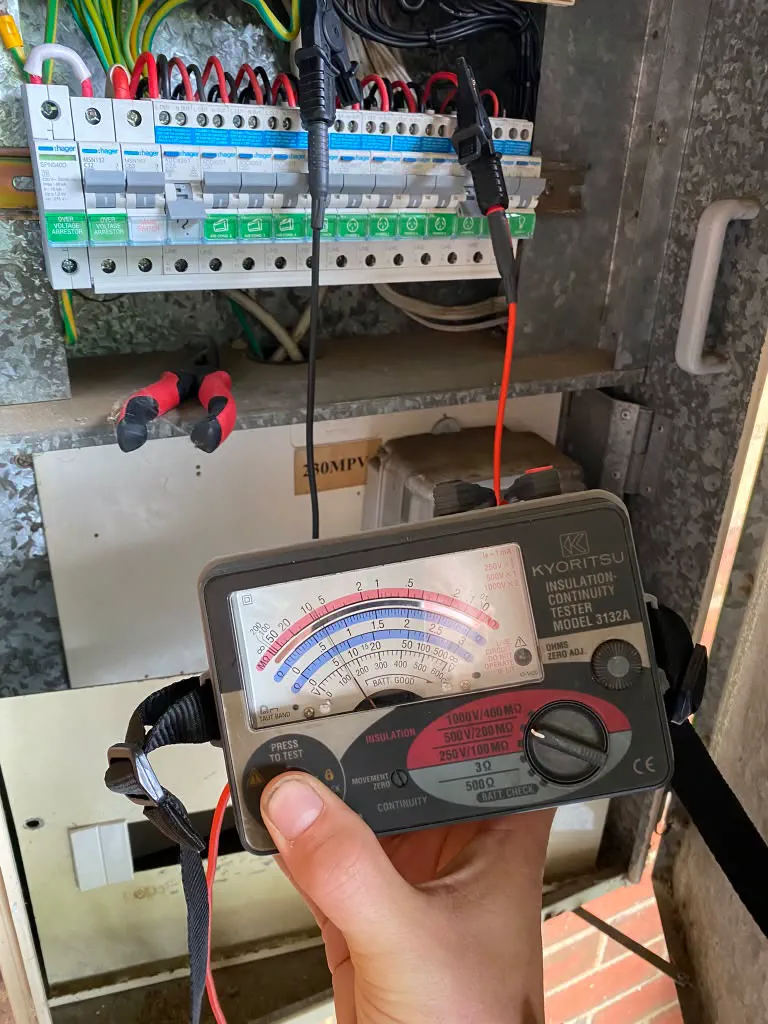
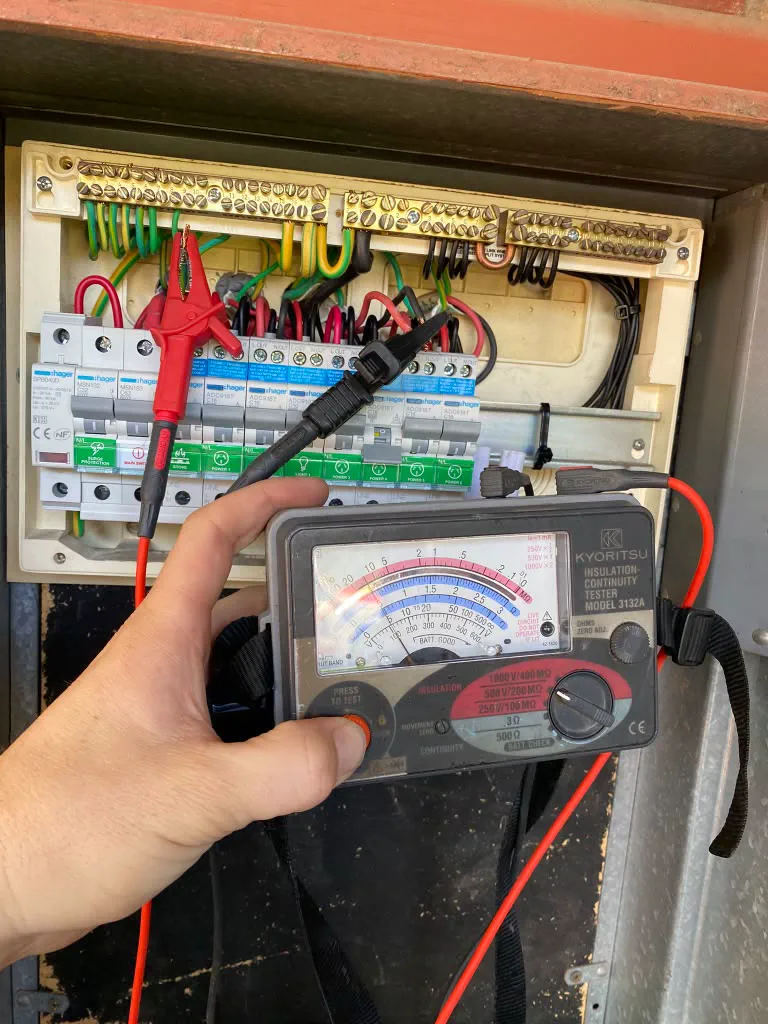
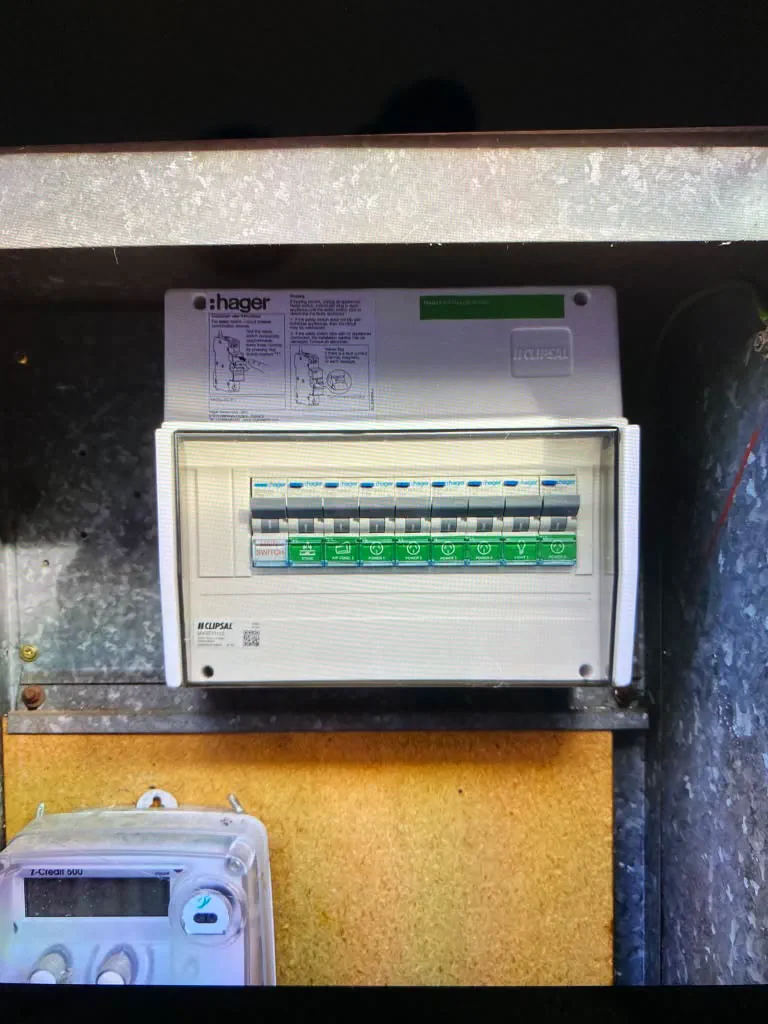
Our own photos from jobs like this one. Based in Altona Meadows, with 19 years in the industry.
Licensed electrical contractor (REC 38187)See more team photos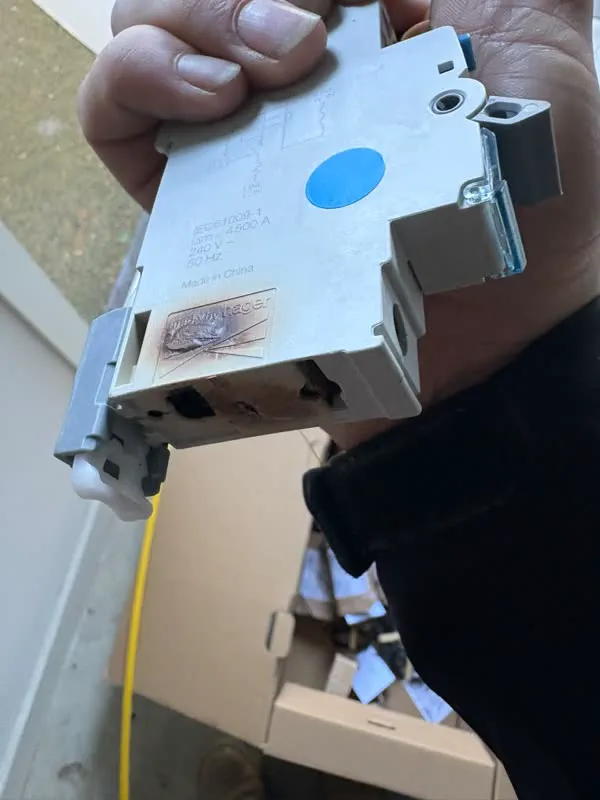
Worth knowing before you book
- Send the report first
- It helps us bring the right parts.
- Shared causes are flagged
- One old board can explain several items.
- Rentals have deadlines
- Rental providers must meet set timeframes for repairs.
What affects the price?
The right scope depends on your installation. These are the details we check so your quote is useful, with any additional work explained before it proceeds.
Number and type of defects
A missing cover plate is quick. A circuit with failing insulation is not.
What's hidden
Defects in roof spaces, under floors or inside walls take longer to reach and fix.
Shared causes
Several items caused by one old board or cable run may be simpler to fix at the source.
Prescribed work
Some repairs to consumer mains, the main switchboard or the meter box need an independent inspection.
Access and occupancy
Tenanted homes need access arranged, and some repairs need the power off for a while.
How it runs
- 1
Review
Report read and items sorted.
- 2
Confirm and quote
Each item checked and priced.
- 3
Repair and test
Approved items fixed and tested.
- 4
Certify
Certificate issued, list closed off.
Step by step, in more detail
5 steps
Read the report
Send us the report or notice. We sort the items into dangerous now, needs repair, and worth planning for.
Confirm on site
We check each item ourselves, because a report describes what someone saw on the day, and sometimes there's more behind it.
Quote item by item
Each defect is priced on its own, so you or the rental provider can approve what's needed. Anything dangerous is made safe first, with your agreement.
Repair and test
Defects are fixed to current standards, and every circuit we work on is tested before it goes back on.
Certify and close out
You get a Certificate of Electrical Safety for the repairs, with the work described against the items on the report.
What is safe to do, and what to leave to us
Safe for you to do
- Read the report's urgent items first, and keep people away from anything marked dangerous.
- Don't touch a loose, cracked or broken power point. Energy Safe Victoria says to cover it and have a licensed electrician replace it.
- Keep the report and any certificates together for the next check or sale.
Leave these to us
- Fixing listed items yourself, or getting a handyman to do it.
- Using a power point, switch or fitting the report marked as damaged.
- Leaving a dangerous item until the next scheduled check.
- Unlicensed electrical work. Energy Safe Victoria says it's illegal and potentially fatal.
When to get us in
- A rental safety check or pre-purchase report lists defects
- Your distributor has sent a defect notice
- An insurer or auditor flagged electrical work
- You've found cracked fittings, loose switches or exposed cable
- A renter has reported an electrical problem
More detail
Reading a defect report
Reports use different words for the same thing. 'Dangerous', 'urgent' or 'immediate' means fix it now. 'Non-compliant' or 'requires repair' means it's wrong and needs fixing, but isn't an immediate hazard. 'Recommended' items are improvements, such as more safety switch coverage or extra power points, that are worth planning.
We go through the report with you and confirm each item on site before quoting. Sometimes an item turns out simpler than it sounds. Sometimes a loose fitting points to a bigger problem behind it.
Fix the cause, not just the symptom
Several items on one report often share a cause. Missing safety switches on four circuits, a cracked fuse carrier and no room for a new circuit all point to an old fuse board. Patching each item leaves the cause in place.
When we quote, we point out shared causes and give you both routes: the item-by-item repair and the fix at the source. You choose.
Paperwork that closes the loop
A licensed electrician must provide a Certificate of Electrical Safety whenever they complete electrical installation work, and a defect repair is no exception. For a rental, Energy Safe Victoria says the certificate isn't the record of the check itself, but one must be issued for any repair work done.
Keep the original report and the certificate together. At the next check, they show what was found, what was done and who did it.
Local rules and conditions
Victorian requirements and local conditions that shape this job, with the sources listed at the foot of the page.
Rental repairs and timeframes
Rental providers must do urgent repairs immediately and non-urgent repairs within 14 days of a written request, and they organise and pay for repairs unless the renter caused the problem. A dangerous electrical fault is on the legal list of urgent repairs.
Distributor defect notices
Powercor says customer installation defects, such as an insecure or missing service hook, a defective fused mains box or a defective meter box, are the customer's responsibility to fix. From the point of supply, the installation is the property owner's to maintain and repair.
What a rental check record shows
The electrician's record of a rental check should include their name and licence or registration number, the date, the results, any repairs needed and what was done, and a report prepared under section 2 of AS/NZS 3019. We work from that record.
Useful reading
Guides to read before you decide, with checklists and questions to bring to the quote.
- Rental electrical and smoke alarm checks in VictoriaKnow which records to gather, how to arrange access and where to verify the current Victorian requirements.
- Certificates of Electrical Safety explainedWhat a Victorian COES records, how prescribed and non-prescribed work differ, when your copy should arrive and why it belongs in your house file.
- Landlords: heating, cooling and electrical obligations in VictoriaA rental provider's map of the heating, switchboard, safety check and repair duties on a Victorian rental, and what the 2027 energy standards change.
- Ceramic fuses and old switchboards: what to look forA look-but-don't-touch guide to old switchboards: rewireable fuses, a missing safety switch, suspect backing panels, heat marks and what replacement involves.
Common questions
Questions people ask about this
- What happens if extra work is found during the job?We stop and tell you.
- Water is dripping from a light fitting. What should I do?Don't touch the light switch, on or off.
From the blog
- Is it worth upgrading the switchboard before you sell?A working board with breakers and safety switches rarely needs replacing to sell. An old fuse board with no safety switches is a different story, and timing matters.
- What affects the cost of a rental electrical safety check?Property size, switchboards, access and what the check turns up all change how long a rental electrical check takes. Here's how to compare offers fairly.
- What do rental electrical safety checks commonly find?Cracked power points, unprotected circuits, smoke alarm faults and hazards from renters' own gear come up again and again. Here's how landlords can head them off.
Sources for the rules and local facts on this page
9 sources, with the date each was checked
- 1.Consumer Affairs Victoria: Repairs are either ‘urgent’ or ‘non-urgent’. Rental providers must make urgent repairs immediately. Rental providers must make non-urgent repairs within 14 days of getting a written request. Accessed 30 September 2026.
- 2.CitiPower & Powercor: Customer installation defects fall under customer responsibility and require prompt rectifications to ensure either the safety of the electrical installation, unhindered access to our assets by our employees or that our… Accessed 30 September 2026.
- 3.Energy Safe Victoria: The point of supply is the changeover point from the electricity distribution network to the electrical installation, where the property owner becomes responsible for the maintenance and repair of the electrical… Accessed 30 September 2026.
- 4.Consumer Affairs Victoria: The electrician should provide a record of the electrical safety check, which must include: the name of the licensed or registered electrician who conducted the check and their licence or registration number the date… Accessed 30 September 2026.
- 5.Energy Safe Victoria: An Energy Safe COES is not the correct form to be used as a record of the electrical safety check. However, a COES must be issued if any electrical repair or maintenance work is carried out. Accessed 30 September 2026.
- 6.Energy Safe Victoria: Whenever a licensed electrician completes any electrical installation work, they must provide a Certificate of Electrical Safety (COES). Accessed 30 September 2026.
- 7.Energy Safe Victoria: 'Prescribed' certificates are for electrical installation work that requires inspection by a Licensed Electrical inspector. This includes (but is not limited to): Consumer mains cables, main switchboard, meter box and… Accessed 30 September 2026.
- 8.Energy Safe Victoria: Do not touch or attempt to repair a loose, cracked or broken power point switch – cover it immediately and arrange for a licensed electrician to replace it. Accessed 30 September 2026.
- 9.Energy Safe Victoria: Gas and electricity are inherently dangerous and it’s illegal and potentially fatal for unlicensed and unqualified people to undertake any electrical or gasfitting work. Homeowners and consumers must always use… Accessed 30 September 2026.