
Why do my windows get so much condensation in winter, and can heating or fans help?
- Condensation forms when warm, moist indoor air meets glass colder than the air's dew point. On cold July nights, single glazing is usually the coldest surface in the room.
- Showers, cooking, washing dried indoors and unflued gas heaters add most of the moisture.
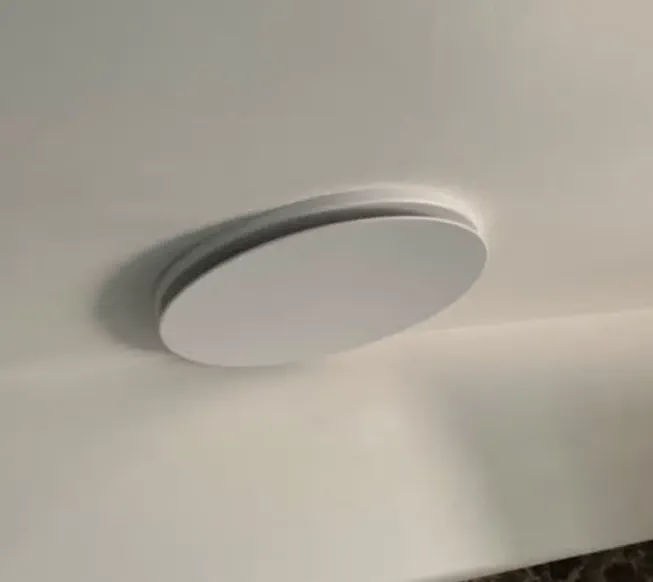
- Remove moisture where it's made: an exhaust fan ducted outside in the bathroom and laundry, and a ducted rangehood over the cooktop.
- Steady, moderate heating keeps glass and walls warmer than a short blast at night.
- With a gas space heater, don't run exhaust fans or the rangehood while it's on. Energy Safe Victoria warns this can draw carbon monoxide inside.
Where the water on the glass comes from
Air always holds some water vapour, and warm air can hold more than cold air. When warm, moist air touches a surface colder than its dew point, the vapour turns back into water. On a winter morning the coldest surface in most rooms is the window, especially single glazing in an aluminium frame, so that's where the water collects first.
Laverton's weather records put July's average minimum at about 5 °C, so glass that has sat against the night air for eight hours needs very little indoor moisture to fog up. Bedrooms are often the worst, because people breathing all night in a closed room add a surprising amount of vapour and the heating has usually been off since bedtime.
The biggest moisture sources in a winter home
Most of the moisture in a house is made by the people living in it. A hot shower with the door shut fills the bathroom with vapour in minutes. Cooking without the rangehood sends steam straight into the living area, and a rack of washing drying inside overnight releases nearly all of its water into the air you then heat and breathe.
Some heaters add to it. An unflued gas heater burns gas inside the room and releases the water vapour from combustion along with everything else, which is why homes with one often have streaming windows. Flued gas heaters and gas ducted heating send their combustion products outside, and reverse-cycle heating adds no moisture at all.
Exhaust fans and rangehoods: take moisture out where it starts
The easiest moisture to deal with is the moisture that never spreads through the house. A bathroom exhaust fan sized for the room, ducted outside and left running for a while after the shower clears steam before it drifts to the bedrooms. A fan that vents into the roof space only moves the problem up, where vapour condenses on cold roof timbers and the underside of the roof.
In the kitchen, a rangehood ducted outside does the same job over the cooktop. Switch it on when you start cooking, not once the windows have fogged, and leave it running for a few minutes afterwards. A recirculating hood catches grease and some smells but returns the moist air to the room, so it does little for condensation.
If washing dries in the laundry over winter, an exhaust fan there helps too, and a condenser or heat pump dryer collects the water instead of blowing it into the room.
Why steady heating helps more than a blast at night
Warm surfaces don't collect condensation, so the aim in winter is to stop walls and glass getting very cold. A home heated moderately and steadily keeps its inside surfaces warmer than one that sits cold all day and is heated hard for two hours at night. The Victorian Government suggests 18 to 20 °C for heating living areas, which is a sensible target for most rooms.
Reverse-cycle heating suits this well. It can run at low output for long periods, a timer can bring bedrooms up before you wake, and it adds no water to the air. Drawing curtains at dusk keeps warm room air off the coldest glass, but open them during the day, because heavy curtains trap a cold, damp pocket of air against the window.
Ventilation still matters. A few minutes with windows open on a dry, sunny afternoon swaps damp indoor air for drier outside air. Sealing every gap without dealing with the moisture sources can make condensation worse, which is why our guide to draughts, insulation and heating looks at both.
A warning for homes with gas space heaters
Exhaust fans and rangehoods pull air out of the house, and the replacement air has to come from somewhere. Energy Safe Victoria advises against running kitchen rangehoods or bathroom exhaust fans while a gas heater is on, because the negative pressure can draw carbon monoxide into living spaces. It also says open-flued heaters can spill carbon monoxide more easily than other types.
If you have one, run the fans when the heater is off, and ask a licensed gasfitter whether the heater still suits the house. Energy Safe Victoria also warns that weather-sealing a home with an open-flued heater can change the ventilation it needs, so check the heater before draught sealing to cut condensation.
Questions that come next
Sources for this article
4 sources, with the date each was checked
- 1.Bureau of Meteorology: Mean minimum temperature (°C) 14.0 14.4 12.7 10.0 7.8 5.9 5.2 5.7 6.8 8.4 10.3 12.2 9.5 81 1943 2026 Accessed 30 September 2026.
- 2.Solar Victoria (updated 20 November 2025): To heat a room, try setting the temperature between 18°C to 20°C. Every 1°C higher will add around 10% to your heating bill. Set your air conditioner thermostat for cooling between 24°C and 26°C for living areas – every… Accessed 30 September 2026.
- 3.Energy Safe Victoria: Don’t use kitchen rangehoods or bathroom exhaust fans at the same time as your heater. It can create a negative pressure environment, drawing carbon monoxide into living spaces. Accessed 30 September 2026.
- 4.Energy Safe Victoria: If you have renovated or weather-sealed your home and kept your open-flued gas heater, you may have inadvertently altered the ventilation your home needs to clear carbon monoxide from your gas heater. This might be… Accessed 30 September 2026.