
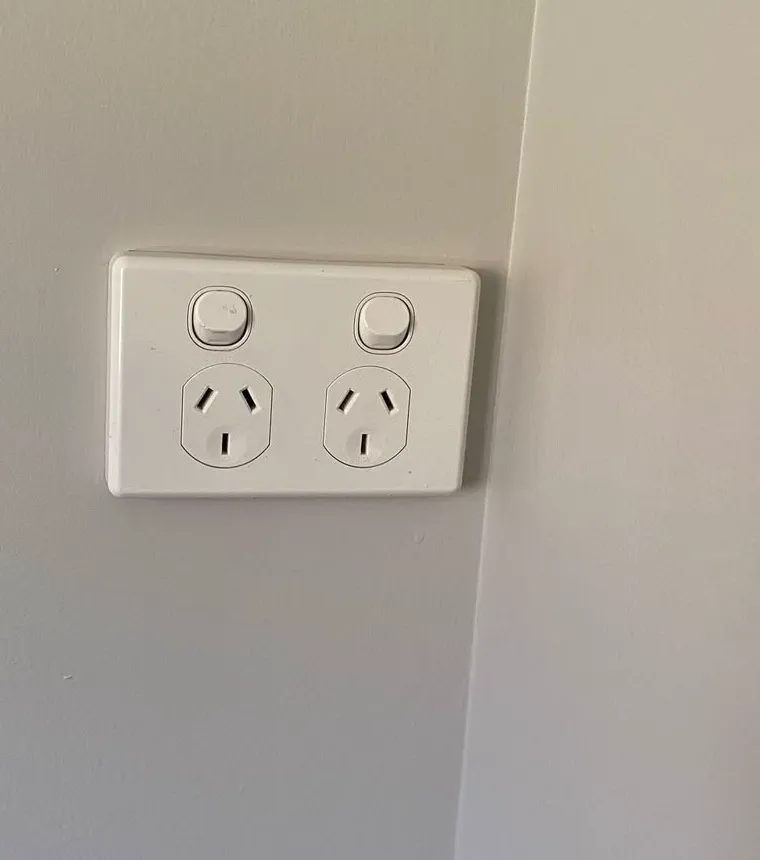
Is my laundry an electrical fire risk?
- The dryer is the main laundry fire risk. Clean the lint filter every load and keep the area around and behind it clear.
- A power board behind the washer and dryer is a common weak point. Each machine should have its own wall outlet.
- Water and electricity meet in the laundry, so keep points clear of the tub and hoses and make sure the circuit has a safety switch.
- Don't run the dryer while nobody is home or overnight, and let it finish its cool-down cycle.
Why the laundry carries more risk than most rooms
The laundry packs a lot into a small space: two of the hungriest appliances in the house, a tub and taps, hoses under pressure, fluff in the air and often a cupboard of paper and cleaning products. In many older homes in Altona, Footscray and Sunshine, one power point now runs a washer, a dryer, a freezer and the iron.
Energy Safe Victoria says fire brigades respond to more than 300 domestic electrical fires each year, many caused by old wiring that has degraded or can't cope with modern equipment. Our guide to preventing electrical fires covers the whole house; this article looks at the laundry.
Dryers, lint and heat
A vented or condenser dryer heats air, blows it through the clothes and pushes it out past a lint filter. Lint is fine, dry and burns easily. When the filter clogs, airflow drops, the dryer runs hotter and longer, and fluff collects inside the cabinet around the element and motor where you can't see it. Clean the filter every load, and wipe away lint around the door seal and behind the machine.
Give the dryer room to breathe. Pushed hard against a wall or boxed into a tight cupboard it can't shed heat, and anything stacked on top or hung over the vent adds fuel. Clothes stained with oil, cooking fat or products like linseed oil can heat up by themselves after drying, so follow the care label and let the cool-down cycle finish instead of piling hot clothes into a basket.
Heat pump dryers run cooler but still have filters that need regular cleaning. Any dryer that takes much longer than it used to, or smells or feels hot, has a restriction somewhere.
Power boards and the single laundry point
The classic laundry setup is a double power point behind the washing machine, a power board plugged into it, and the dryer, the iron and sometimes a second fridge sharing that board. A washer heating water and a dryer running its element together can draw more than the board, its plug and the point behind it were made to carry. The board warms, the plug pins discolour and the connection in the wall point starts to run hot.
A circuit breaker won't always catch this. It responds when the whole circuit carries too much current, not to one loose or overheating connection. The fix is fixed wiring: a separate outlet for each machine, placed where it can be reached without dragging the washer out, and a dedicated circuit for the dryer when the laundry shares a circuit with the kitchen or a heater.
- Warm or discoloured plug tops or power board
- A burning or fishy smell near the machines
- A point that sparks when you plug in or crackles under load
Where water and electricity meet
A dripping tap, a split hose or a washer walking across the floor on spin can put water where the power points are. If water has reached a point or plug, don't touch it. Switch the circuit off at the switchboard if it's safe to reach, and leave it off until an electrician has checked it.
A safety switch is what protects you if a fault lets current leak to earth through water or a damaged appliance. Energy Safe Victoria says a safety switch detects a problem that may put people at risk and turns the power off within 0.03 of a second. Some older homes have laundry circuits without one, and a washing machine that keeps tripping the safety switch has a fault that needs finding.
Energy Safe Victoria also says not to touch or try to repair a loose, cracked or broken power point. Cover it, stop using it and have a licensed electrician replace it.
Machines running while nobody is home
Delay timers and off-peak habits mean many dryers run while the household is asleep or at work. If something starts to overheat, nobody is there to smell it or to hear a smoke alarm from a closed laundry at the back of the house. Run the dryer when someone is home and awake, and keep delay start for the washing machine.
An interconnected smoke alarm in the hallway near the laundry sounds through the house and gives earlier warning. Keep the space around the machines clear of boxes and paper, and keep a clear way out of the room.
Questions that come next
Sources for this article
3 sources, with the date each was checked
- 1.Energy Safe Victoria: Fire brigades respond to more than 300 domestic electrical fires each year. Many of these fires are caused by old wiring that has degraded or is unable to cope with the demands of modern electrical equipment. Accessed 30 September 2026.
- 2.Energy Safe Victoria: Do not touch or attempt to repair a loose, cracked or broken power point switch – cover it immediately and arrange for a licensed electrician to replace it. Accessed 30 September 2026.
- 3.Energy Safe Victoria: Whenever a licensed electrician completes any electrical installation work, they must provide a Certificate of Electrical Safety (COES). Accessed 30 September 2026.