
Why is my electricity bill so much higher in winter?
- Compare kilowatt hours with the same bill last year first. It shows whether usage rose, the price changed, or both.
- Plug-in heaters are the usual suspects. A reverse-cycle system moves 3 to 5 units of heat for each unit of electricity; a standard electric heater makes about 1.
- A hot water element, thermostat or relief valve that's failing can keep the tank reheating, and the bill is often the first sign.
- Each degree above 18 to 20 °C on the heating adds around 10% to running costs.
First, is it usage or price?
Before hunting for a fault, compare this bill with the same quarter last year. If the kilowatt hours are similar and the bill is higher, the change is in the price: a new retailer offer, a tariff change or a discount that ended. If the kilowatt hours have climbed, something in the house is using more.
If you have a smart meter, your retailer or distributor can usually show usage in half-hour blocks. That tells you when the extra power is being used. A spike every evening points to heating. A steady rise overnight points to something running when it shouldn't, such as a heater left on or a hot water system working overtime.
The heating itself
Winter bills rise because heating runs for hours on cold nights. Laverton's coldest month is July, with a mean minimum of 5.2 °C, so homes from Altona Meadows to Werribee lean on their heating hardest then. Victorians usually use more energy for heating than for cooling, so even a small change in habits shows up on the bill.
Settings make a bigger difference than most people expect. The Victorian Government suggests 18 to 20 °C for heating living areas and says each degree beyond that adds around 10% to running costs. A thermostat nudged up to 24 °C through a cold week, or heating left running in empty rooms, can account for much of a jump.
Plug-in heaters and winter extras
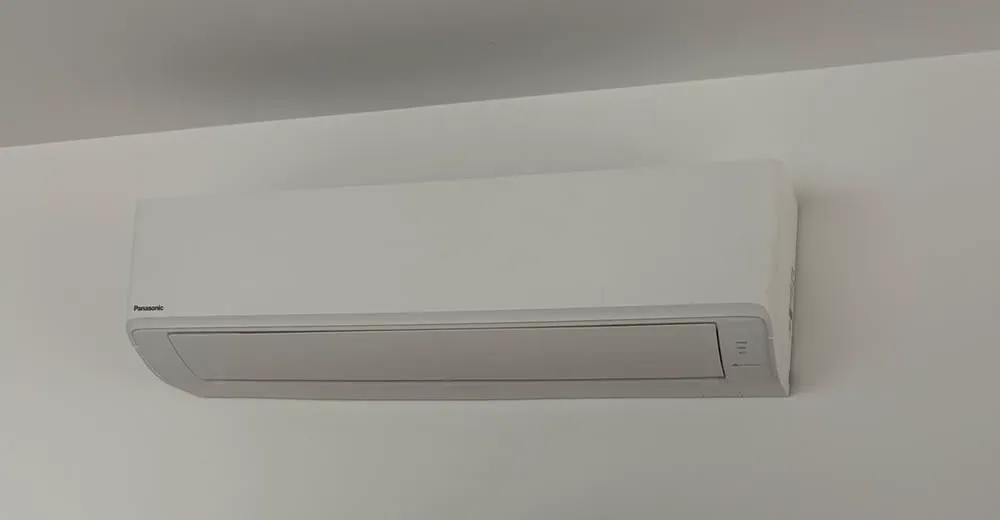
Plug-in heaters are the most common cause of a surprise winter bill. A fan, panel or oil column heater turns each unit of electricity into about one unit of heat, while a reverse-cycle air conditioner moves 3 to 5 units of heat for each unit it uses. CHOICE calculations reported by the Victorian Government put a reverse-cycle system's running cost at about a third of an electric heater's in the same space.
Other winter extras add up quietly. None is dramatic on its own, but together they can explain a noticeable rise.
- Plug-in heaters in bedrooms or a home office
- Heated towel rails and electric blankets left on
- More dryer loads when washing won't dry outside
- Heating schedules nobody updated after autumn
Hot water that's working too hard
Electric hot water is a big share of most bills, and colder inlet water in winter means more heating per shower. That part is normal. What isn't normal is a failing element or thermostat, or a relief valve dripping hot water away all day so the tank keeps reheating.
Watch for water that runs out sooner than it used to, a safety switch that trips when the hot water comes on, or a steady drip from the relief valve drain. Testing the element, thermostat and circuit is electrical work; valves and the tank are for a licensed plumber. If the tank runs on an off-peak circuit, a tariff or timer change can also shift when it heats and what you pay.
An ageing or unserviced heating system
A reverse-cycle system that hasn't been looked after loses efficiency. Dirty filters significantly cut airflow and efficiency and can reduce heating performance, and federal bench tests found common faults in air conditioning equipment caused average energy losses of 14% to 20% in most tests. Clean the filters before winter, and book a service if the unit is struggling.
Age matters too. The Victorian Government says a reverse-cycle system more than 15 years old will typically use more than three times the energy of a modern one. If an old unit does all the heating in the house, it's worth pricing a replacement alongside any repair.
What to check first
Work through the simple checks before calling anyone. Most winter jumps come down to heating habits and plug-in heaters, and those cost nothing to change.
If the usage pattern points to the hot water or the heating system and the simple fixes don't help, that's when a technician is worth booking. A technician can test the hot water circuit and element, service the reverse-cycle system and tell you whether repair or replacement makes more sense.
- Compare kilowatt hours with the same bill last year
- Look at half-hourly data for evening and overnight spikes
- Count the plug-in heaters and how long they run
- Check the heating set point and schedules
- Clean the air conditioner filters
- Watch for hot water running out early or a dripping relief valve
Questions that come next
Sources for this article
7 sources, with the date each was checked
- 1.Bureau of Meteorology: Mean minimum temperature (°C) 14.0 14.4 12.7 10.0 7.8 5.9 5.2 5.7 6.8 8.4 10.3 12.2 9.5 81 1943 2026 Accessed 30 September 2026.
- 2.Department of Energy, Environment and Climate Action (energy.vic.gov.au), page last updated 14/04/25: Victorians typically use more energy for heating than cooling, so look for a unit with a higher heating efficiency. Accessed 30 September 2026.
- 3.Solar Victoria (updated 20 November 2025): To heat a room, try setting the temperature between 18°C to 20°C. Every 1°C higher will add around 10% to your heating bill. Set your air conditioner thermostat for cooling between 24°C and 26°C for living areas – every… Accessed 30 September 2026.
- 4.Energy Rating (GEMS Regulator / DCCEEW): Reverse cycle air conditioners are much more efficient at heating than standard electric heaters (bar heaters, convection, or radiant heaters). ... During the normal operating range in Australia for every unit of… Accessed 30 September 2026.
- 5.Solar Victoria (updated 28 August 2026): Calculations from Choice found that a reverse-cycle air conditioner is about a third of the cost of an electric heater to run in the same space. Accessed 30 September 2026.
- 6.energy.gov.au (Australian Government, DCCEEW): The findings indicated that on average there were energy losses between 14% and 20% across most tests. When several faults co-existed, energy use increased substantially, with a high likelihood of system failure if… Accessed 30 September 2026.
- 7.Solar Victoria (updated 2 October 2025): A system that is more than 15 years old for example will typically use more than three times the amount of energy than a modern reverse-cycle air conditioner. Accessed 30 September 2026.