
The key points
- The regulations are already law. The standards start in phases from 1 March 2027, with draughtproofing from 1 July 2027 and cooling in every rental by 1 July 2030.
- Heating and hot water are triggered by a failure that can't be repaired. Cooling, ceiling insulation, shower heads and draughtproofing are triggered by a new agreement.
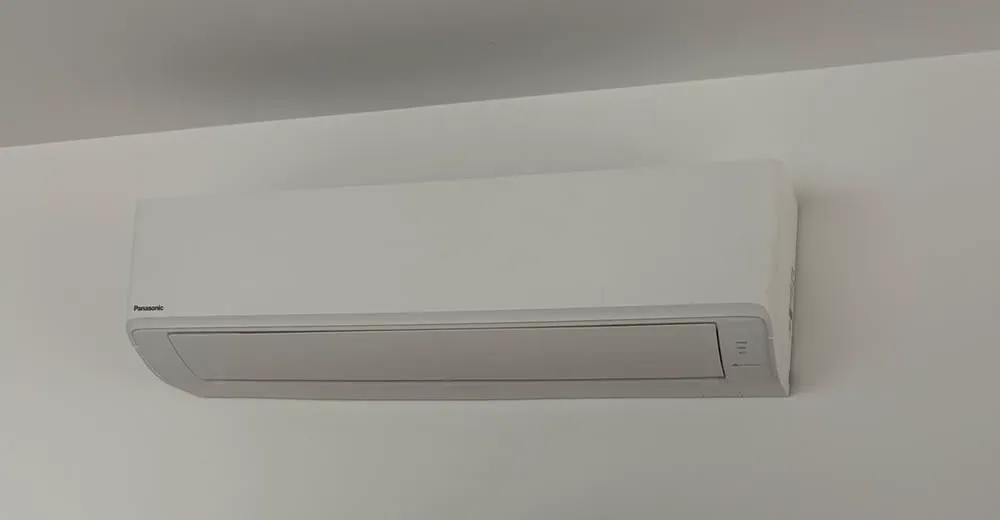
- One reverse-cycle air conditioner in the main living area can meet both the heating and cooling standards.
- A failed gas hot water system can't be replaced with gas, so plan where a heat pump unit and its circuit would go now.
- Check the switchboard early. The cost of switchboard work doesn't count when judging whether fixed cooling is unreasonable to install.
Already law, with staged start dates
The Residential Tenancies Amendment (Minimum Energy Efficiency Standards) Regulations 2025 came into operation on 1 July 2025, so this isn't a proposal. The individual standards start later, in phases from 1 March 2027, and cover six areas: heating, cooling, hot water, shower heads, ceiling insulation and draughtproofing.
The useful way to plan is by trigger. Some standards bite when something breaks, so the risk is a forced replacement at a bad time. Others bite when a new agreement starts, or a current one becomes month to month, so they line up with vacancies you can see coming. Consumer Affairs Victoria's pages also list limited exemptions, for example where a building has a centralised system, heritage controls apply or owners corporation rules prevent the work, so check them for each property.
1 March 2027: heating, when it fails
From 1 March 2027, when a rental's fixed heating system fails and can't be repaired, it must be replaced with an energy-efficient fixed electric heating system with an outlet in the main living area. A working heater that meets the current standard doesn't have to be replaced.
Energy efficient here means an electric, fixed, non-ducted air conditioner or heat pump with a GEMS heating rating of 2 stars or more, or an electric ducted system with a Heating Seasonal Performance Factor of 3.2 or more, both for the property's climate area. A gas heater, however new, isn't on that list.
The planning question is timing. A gas ducted heater that has had repeat repairs is the one most likely to fail on a cold July night, when the replacement becomes an urgent repair. Replacing it during a vacancy or in spring is calmer and gives time to sort ducts, outdoor unit position and the switchboard.
1 March 2027: hot water, when it fails
From the same date, a hot water system that permanently fails and can't be repaired must be replaced with an energy-efficient electric system, and Consumer Affairs Victoria's guide for rental providers says a failed gas system can't be replaced with another gas system. In practice that usually means a heat pump water heater.
Hot water failures are urgent repairs, so the same logic applies as with heating. Work out now where a heat pump unit could sit: it needs outdoor space with airflow, a drain, a water connection and its own electrical circuit, and the compressor shouldn't sit under a bedroom window. Note the age of each gas unit across your properties and budget for the oldest first.
1 March 2027: cooling at the next agreement
From 1 March 2027, rental providers must install energy-efficient fixed cooling with an outlet in the main living area when a new agreement starts or a current one becomes month to month. From 1 July 2030, all rentals must have cooling, whatever their lease status. Efficient means a non-ducted electric air conditioner or heat pump with a GEMS cooling rating of 3 stars or more, or a ducted electric system with a Total Cooling Seasonal Performance Factor of 3.8 or more.
CAV's guide says one reverse-cycle air conditioner can meet both the heating and cooling standards, which is why a split system in the living area is the usual answer for a house with gas heating and no cooling. The Victorian Government says existing evaporative cooling meets the standard at the start of a new lease, and CAV's cooling standard allows a failed ducted evaporative cooler to be replaced with another one with an outlet in the main living area.
Insulation, shower heads and draughtproofing
Also from 1 March 2027, at a new agreement or a move to month to month, CAV says ceilings with no insulation must be insulated to at least R5.0, and shower heads must meet a minimum water efficiency rating. Existing ceiling insulation is enough even if it's below R5.0, and the lower floor of a double storey doesn't need it. Before insulation goes in, the standard requires a licensed electrician to complete an electrical safety checklist and fix any electrical issues within 30 days beforehand, because downlights and old wiring under new insulation are a fire risk.
Draughtproofing follows from 1 July 2027 at a new agreement. Where the property has gas appliances, a gas safety check by a licensed plumber must be done before draughtproofing starts and be less than six months old when it's finished. If that check finds unflued or open-flued gas appliances, the draughtproofing must not go ahead. An old open-flued wall heater can therefore hold up a standard as well as being a safety concern.
Plan the switchboard and supply
Every one of these upgrades adds electric load. A reverse-cycle system and a heat pump water heater each need their own circuit, and an original board in an older rental may have no room or no spare capacity. Since 29 March 2023, rentals have needed circuit breakers and safety switches on power and lighting circuits, and with old panel-and-fuse or federal fuse boards the electrician may have to replace the whole board, putting circuit breaker protection on every circuit.
A replaced main switchboard can't be switched back on until a licensed electrical inspector has inspected it, so plan board work for a vacancy where you can. Under the cooling standard, the cost of electrical work needed for the installation and of upgrading a switchboard for the extra load don't count when deciding whether fixed cooling is unreasonable to install.
Check the supply at the same time. Three-phase power makes sense where several large loads, such as ducted reverse cycle, a heat pump water heater and EV charging, are planned together, and it's easier to assess alongside the board than after it.
A plan for each property
Treat each property as its own timeline. The next agreement date tells you when cooling, insulation, shower heads and draughtproofing fall due; the age and condition of the heater and hot water unit tell you how likely a failure-triggered replacement is.
Then group the work. A vacancy that covers a switchboard upgrade, a reverse-cycle split and the insulation electrical checklist is one disruption, not three, and every Certificate of Electrical Safety goes on file with the property's records.
- Heater type, age and whether it meets the current standard
- Hot water type and age, and a spot for a heat pump unit
- Existing cooling in the main living area, if any
- Next agreement or month-to-month date
- Switchboard type, spare space and supply
- Ceiling insulation present or not
- Any open-flued or unflued gas appliances
Common questions
Quick answers
- Can a rental's failed gas hot water be replaced with gas after March 2027?No.
- Can one reverse-cycle air conditioner meet both rental heating and cooling standards?Yes.
- What happens if the heater in my rental breaks after March 2027?If it can be repaired, it's repaired as an urgent repair, as it is now.
- Is it safe to leave the heating on overnight?It depends on the heater.
Sources for this guide
12 sources, with the date each was checked
- 1.Victorian Legislation (Chief Parliamentary Counsel): These Regulations come into operation on 1 July 2025. Accessed 30 September 2026.
- 2.Consumer Affairs Victoria: New minimum energy efficiency standards for residential rental properties come into effect in phases from 1 March 2027. The new standards cover 6 areas: heating cooling hot water shower heads ceiling insulation… Accessed 30 September 2026.
- 3.Consumer Affairs Victoria: Definition: From 1 March 2027, ‘energy efficient fixed heater’ means: (a) an electric, non-portable, non-ducted air conditioner or heat pump capable of heating with a 2 star or above Greenhouse and Energy Minimum… Accessed 30 September 2026.
- 4.Consumer Affairs Victoria: It cannot be replaced with another gas system after 1 March 2027. Accessed 30 September 2026.
- 5.Consumer Affairs Victoria: Definition: From 1 March 2027, energy efficient fixed cooling means: (a) a non-portable, non-ducted electric air conditioner or heat pump capable of cooling, with a GEMS 3-star or above cooling rating (for the climate… Accessed 30 September 2026.
- 6.Department of Energy, Environment and Climate Action (energy.vic.gov.au), page last updated 05/08/26: From 1 March 2027, at the start of a new lease, rental homes must include: energy-efficient cooling in the living area (noting that if evaporative cooling is already installed, it meets the standard) ... By 1 July 2030… Accessed 30 September 2026.
- 7.Consumer Affairs Victoria: The standard also requires an electrical safety checklist to be completed and any electrical issues to be addressed by a licensed electrician within 30 days before the installation of insulation. If the insulation… Accessed 30 September 2026.
- 8.Consumer Affairs Victoria: Definition: From 1 July 2027, draughtproofing means fitting sealing or weather-stripping products to all external doors and external windows to restrict airflow around the entire perimeter of the door or window, without… Accessed 30 September 2026.
- 9.Consumer Affairs Victoria: The electrical safety rental minimum standard commenced on 29 March 2023. Rental properties must have modern switchboards, with circuit breakers and electrical safety switches installed. Electrical safety switches are… Accessed 30 September 2026.
- 10.Energy Safe Victoria: The electrician has eight business days after the work is completed to have that work inspected by a licensed electrical inspector (LEI). If an electrician replaces a main switchboard at a property, power cannot go back… Accessed 30 September 2026.
- 11.Consumer Affairs Victoria: Anything on this list is legally defined as an urgent repair: burst water service blocked or broken toilet system serious roof leak gas leak dangerous electrical fault flooding or serious flood damage serious… Accessed 30 September 2026.
- 12.Energy Safe Victoria: Whenever a licensed electrician completes any electrical installation work, they must provide a Certificate of Electrical Safety (COES). Accessed 30 September 2026.
Planning advice for homeowners. Installation requirements depend on the property and equipment. Where this guide refers to Victorian safety or rental rules, use the linked official guidance for the current requirements.