
The key points
- A warm house is not proof that the gas appliance is safe.
- Use the qualified gasfitter required for the appliance work.
- Compare replacement with all electrical and duct work included.
Deal with safety before comparing upgrades
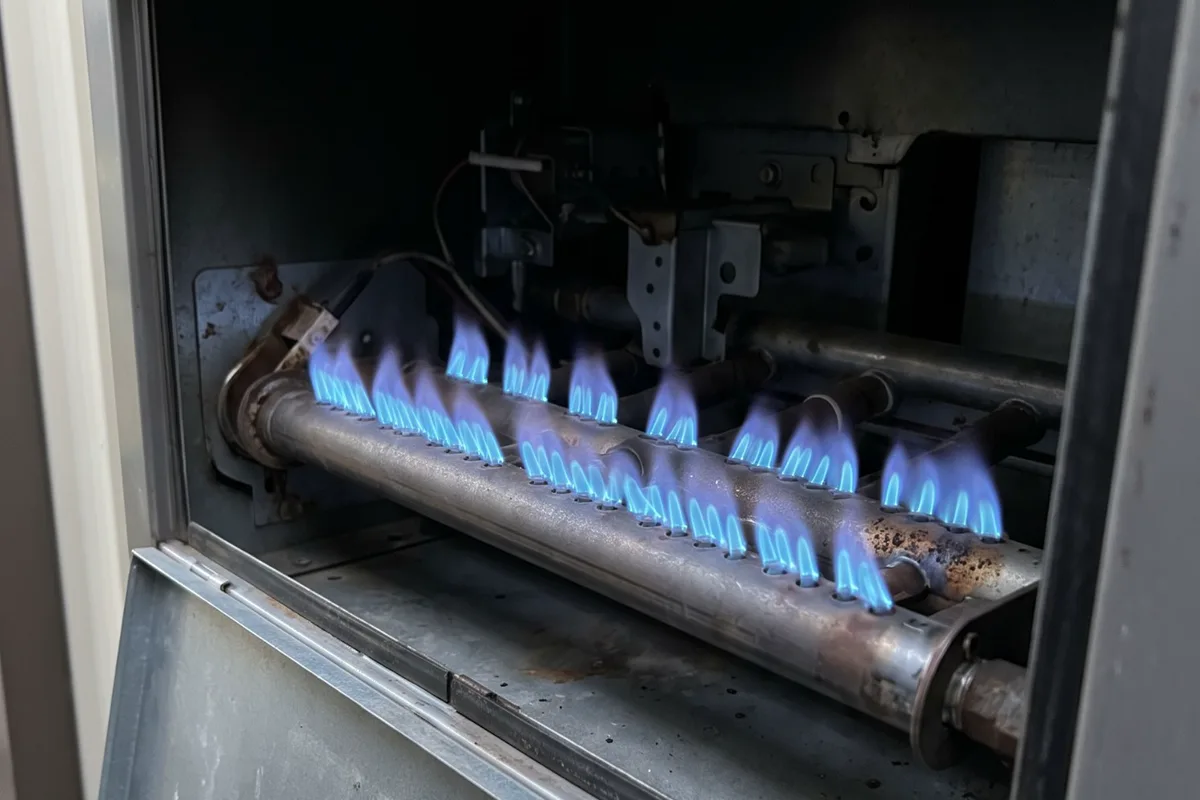
If you suspect an unsafe appliance, stop using it, turn it off if it is safe to do so, open doors and windows, and contact a licensed gasfitter. If anyone feels unwell, get them into fresh air. Do not run the heater again to reproduce the problem for a video.
Energy Safe Victoria recommends gas heaters be serviced at least every two years by a qualified gasfitter. Carbon monoxide cannot be seen or smelled, and an alarm is a backup precaution rather than a replacement for servicing.
Confirm the service scope and qualifications
An electrical licence is not a gasfitting qualification. Energy Safe Victoria advises checking that the gasfitter has the relevant Type A gas appliance service endorsement. Confirm who performs the gas work when arranging a combined heating and electrical visit.
Provide the appliance model, location and previous report. Mention changes to ventilation, exhaust fans or building works since the last service. Ask for the findings and what any proposed repair actually addresses, rather than only whether the heater starts.
Compare the actual repair with the condition of the system
A repair decision needs the diagnosed fault, part availability and the condition of the rest of the appliance. A modest repair on an otherwise serviceable heater is a different proposition from a major failure alongside deteriorated ducts.
Ask what remains uncertain after the repair and whether the quote includes all required testing. Keep the existing heater’s age, service history and household comfort concerns in the comparison. Avoid using age alone as the reason to replace equipment.
Assess the home before choosing an electric system
For reverse-cycle alternatives, start with the rooms used at different times of day. Individual splits, multi-head and ducted systems have different locations and controls. Existing gas-heating ducts should be assessed for the proposed equipment rather than assumed suitable.
Include electrical supply capacity, new circuits, drainage, access and removal in the installed price. If several gas appliances will eventually change, ask for a staged electrical plan. Also identify who safely decommissions the gas connection and handles any building repairs.
Put the comparison in writing
Ask for the repair and the replacement to be priced separately, with the rooms each option heats and everything each price includes. A replacement price should cover the system, the electrical work, any duct changes and removal of the old heater, so you are comparing complete jobs.
Keep the comparison practical: which rooms need heat and when, how the home is used and how long you plan to stay. Do not choose a system on the equipment price alone. The installation scope often decides whether it suits the home.
- Repair diagnosis and total cost.
- Replacement system and rooms served.
- Electrical, duct and removal work.
- Who disconnects the gas and makes good any openings.
Quick answers
- Does my gas ducted heater have a filter I can clean?Many do.
- My gas heater flame looks different. Is that a problem?Yes, treat it as one.
- What should I do if my carbon monoxide alarm goes off?Treat it as real.
- Who is qualified to do a rental gas safety check?A licensed or registered gasfitter endorsed for Type A gas appliance servicing.
Planning advice for homeowners. Installation requirements depend on the property and equipment. Where this guide refers to Victorian safety or rental rules, use the linked official guidance for the current requirements.